When it comes to reducing your risk of conditions like osteoporosis, lifestyle changes are usually the first line of defense. They can be effective, are generally very low-risk for side effects, and often have add-on benefits to your health and well-being.
Weight-bearing exercise. Taking vitamin D and calcium together. Maintaining a healthy weight. Not smoking. Eating a healthy, varied (largely Mediterranean) diet. All of these can be helpful in preserving bone health.
However, if these approaches aren’t enough to stop osteopenia from becoming osteoporosis, or if you’ve suffered an osteopenic fracture, it may be time to discuss osteoporosis medications and treatments with your doctor.
The truth of it is, says the International Osteoporosis Foundation, one in ten women aged 60 are affected by osteoporosis. After age 50, a woman’s risk of death from an osteoporosis hip fracture is equivalent to her risk of death from breast cancer. And yet, up to 80 percent of those at the highest risk as those who have already had at least one osteoporotic fracture as have not been identified, nor are they receiving treatment.
Given the potential impact of osteoporosis on longevity and quality of life, we talked to our doctor about it, Gennev Chief Medical Officer Dr. Rebecca Dunsmoor-Su.
What are our options for osteoporosis medications and treatments?
If lifestyle options are insufficient to halt the progression of osteoporosis, there are treatments that have proven effective. However, not every treatment works the same for every woman, and all come with at least some risk of side effects, so it’s good to discuss the range of options with your doc.
And, of course, you may find that a combination of lifestyle behaviors and medical interventions offer you the best health protection.
Bisphosphonates
This class of drugs are “anti-resorptive,” Dr. Rebecca tells us, meaning they prevent your body from reabsorbing calcium from your bones and weakening them. Additionally, bisphosphonates can be partly adsorbed onto the bone surface, helping restructure bones to be stronger.
These treatments can be taken orally, by injection, or via an IV, usually on a monthly, bi-annual, or annual basis. For those at low risk of osteoporosis, up to five years of treatments may be necessary. For those at higher risk, particularly those who have already had a fracture, up to 10 years may be necessary.
There are some risks of side effects with bisphosphonates: skin reactions for those receiving injections, stomach upset, heart burn, joint and muscle aches are the most common. For those on high doses, there is an increased risk of osteonecrosis of the jaw (death of bone tissue from lack of blood supply) and atypical femur fractures (the large bone of the thigh). However, the risk is very slight, even among this population.
Long-term studies (up to 10 years) have been done on bisphosphonates and show reduction of bone turnover (less bone loss) without evidence of adverse effects.
Bisphosphonates can be effective in halting the progression of osteoporosis, but not all work the same way or as well for every person taking them, so have a good conversation with your doc and track your progress.
Hormonal treatments
Replacing the body’s hormones to slow, stop, or even reverse the progression of osteoporosis is one way doctors are helping women (and men) keep bones stronger, longer. However, Dr. Rebecca reminds us, no hormone is risk-free, so it’s important to discuss benefits and risks with your doc to decide which (if any) hormonal treatment is appropriate for you.
How does Medicare cover osteoporosis? Find out, with this guide from Texas Medicare Plan.
Hormone Replacement Therapy (HRT)
Some women do get bone benefits from estrogen with systemic hormone replacement therapy, says Dr. Rebecca, potentially even getting some reversal of bone loss. However, given the problematic nature of hormone replacement therapy (possible increased risk of breast cancer and blood clots), most doctors won’t recommend HRT for a single symptom, she tells us.
If a woman is at risk of osteoporosis or has already had a fracture if she doesn’t have a uterus and therefore doesn’t need progesterone (which is associated with breast cancer), and if she has other symptoms such as hot flashes which hormones can help relieve, she may be a good candidate for HRT.
SERMs (Selective Estrogen Receptor Modulators)
SERMs like Raloxifene (Evista) is a “designer” estrogen which acts like estrogen where bones are concerned (protecting density) but unlike estrogen by not having an effect on the uterine lining (and therefore not causing uterine cancer). You may be familiar with another SERM, Tamoxifen, which is used to prevent the recurrence of breast cancer.
Raloxifene has similar side effects to other hormones, namely a slight but increased risk of blood clots in the leg and lung and increased risk of stroke in women with pre-existing heart disease or risk of heart disease. It can also increase the occurrence of hot flashes.
SERM + estrogen
Duavee is a SERM + conjugated estrogens treatment that can reduce the effects of osteoporosis while also decreasing hot flashes. The estrogens help with vasomotor symptoms (hot flashes/night sweats) and help prevent osteoporosis; the bazedoxifene (BZA) helps protect the uterus from endometrial hyperplasia as a thickening of the uterine lining that can lead to cancer.
Teriparatide (Forteo)
A synthetic version of the human parathyroid hormone, Forteo helps regulate the metabolism of calcium. Unlike most of the other treatments which slow down the reabsorption of bone, teriparatide actually promotes the growth of new bone.
However, because Forteo is a relatively new treatment on the market, there’s not a lot known about the long-term safety of the drug, which is administered by self-injection. At the moment, it’s only FDA-approved for two years of use. Possible side effects include skin reactions at the injection site, depression, leg cramps, back pain, and heartburn.
Calcitonin
Initially this drug had to be given in an injection because if taken orally, too much was digested in the stomach before it made its way to the blood stream. In response, it was formed into a nasal spray, which is well tolerated by most users. Effectiveness is described as “modest,” but it does seem to increase bone mass, if somewhat less effectively than estrogens and bisphosphonates. However, it does seem to reduce pain from fractures.
Denosumab (Prolia)
Bone removal is, of course, part of the natural process of life, but as we age, bone removal far outpaces replacement, and bones become porous and weaker as a result. Denosumab prevents the development of the cells that remove bone. A Prolia injection every six months has been proven to help some women and men strengthen their bones and reduce their risk of fracture.
Prolia can have immune effects, Dr. Rebecca says, so it’s important to communicate fully with your doctor before starting and during treatment.
Another option to explore
The company OsteoStrong has a unique approach to osteoporosis that may well be worth exploring: non-impact osteogenic loading. Osteogenic loading is putting a high load on the bones in order to force bones to strengthen as this is why impact, weight-bearing exercise can help with bone density.
According to Brent Jordan, co-owner of OsteoStrong Mercer Island, OsteoStrong’s equipment simulates that impact without the danger of hitting the ground wrong. Members spend 10 to 15 minutes, three times a week, at an OsteoStrong facility, where there are four different machines to target different fracture-prone areas: arms between the wrist and shoulder, legs between the hips and ankles, core (ribs), and spine. Members pull or push as hard as possible against immovable parts of the machine, putting pressure on the bones and prompting the body’s inherent response as to increase bone density.
Used properly, the machines can also build muscle and improve balance, Jordan says, which can reduce the potential for falling, another benefit for women with osteoporosis.
Information on the effectiveness of OsteoStrong’s machines on bone density is still being gathered, and there is at this point insufficient evidence to recommend it over regular weight-bearing exercise, says Dr. Rebecca. So we suggest that you consult with your doctor before beginning the therapy, just as you would with any other treatment.
Are you dealing with osteopenia or osteoporosis or concerned about your bone density? What are you doing to manage or avoid the condition? We’d love to hear from you! Please share in our Gennev Community forums!
We know, not what you want to hear. While your period will likely be a no-show at times during perimenopause, cramps may still be making an appearance. And for some, the pain may intensify or last longer than normal. Phantom cramps are usually your uterus’ way of letting you know it is still building a lining and another period is somewhere on the horizon. Once you reach menopause that point when you haven’t had a period for 12 months, premenstrual (PMS) symptoms like cramps should be gone, too.
What’s happening when I have cramps but no period
While estrogen levels decrease during perimenopause, it’s not a nice, neat linear decline. There are times”and this is one of them”when estrogen levels surge. As your ovaries struggle to produce mature eggs, your body pumps out more follicle stimulating hormone (FSH), which results in more estrogen being created. More estrogen means the uterine lining becomes even thicker. (The cause of heavier bleeding and longer periods when they do show up.) It also results in higher levels of prostaglandins, hormones responsible for the uterine contractions that open the cervix, expel the built-up uterine lining, and cause painful cramping. While these hormones are on the rise, levels of progesterone, a hormone involved in triggering menstruation, are the first to decline. These erratic hormone patterns are believed to be the reason that some months you may not experience a period, but still have cramps and other PMS symptoms like bloating and sore breasts.
What to do to alleviate cramps
You don’t have to grit your teeth until you’re postmenopausal. Here are simple remedies that can help you feel better right now.
Take a walk. Mild to moderate cardio exercise, such as walking, cycling, jogging, or taking a Zumba class, boosts feel-good chemicals in the body that may block some of the pain signals. It also improves circulation, which can relax constricted blood vessels in the uterus that result from cramping.
Apply heat. Try a heating pad or warm bath. In an analysis of 23 studies, heat was found to be just as effective as analgesics. Heat may help by increasing blood flow to the abdomen and inhibiting pain signals.
Pop a pain reliever. Ibuprofen and naproxen are some of the best medicine for this type of pain and may reduce bleeding. These anti-inflammatories work by blocking the production of prostaglandins.
Stretch it out. Gentle exercise like stretching and yoga may help by lowering stress hormones which then lower prostaglandin levels. In a review of research studies, exercise was found to be more helpful in easing pain than over-the-counter medication.
Increase these nutrients. Fiber and omega 3s may ease cramps by helping to regulate hormones. Good sources of fiber include beans, berries, whole-grain cereals and pasta, chia seeds, artichokes, and Brussel sprouts. You should aim for about 25 grams of fiber a day. For omega 3s, eat more cold-water, fatty fish like salmon and tuna; flaxseeds, chia seeds, walnuts; and plant oils like soybean and canola. Other nutrients that may help include vitamins B and E, magnesium, and zinc.
When to get help for relief of cramps
If cramps are impacting your life, you should see your doctor for alternative treatments and to rule out other causes. Your doctor can prescribe low-dose birth control pills or a progesterone IUD like Mirena, which can reduce bleeding and pain.
If your pain is due to other culprits, such as uterine fibroids, polyps, gastrointestinal problems, or issues with your pelvic floor muscles, your doctor can determine an appropriate treatment plan. You should also see your doctor, if you have gone more than 12 months without a period and then you have bleeding.
Many women are concerned about ovarian cancer when they experience pelvic pain, but that pain is different. First, ovarian cancer is called the “silent killer,” because there isn’t much pain until the disease has progressed. Second, this pain is likely to be more constant and severe and is commonly associated with decreased appetite and severe abdominal bloating.
It’s always good to exercise caution. If you’re concerned about the pain you’re feeling, make an appointment with your doctor”they can help you find relief and peace of mind!
We can help you find relief for menopause symptoms
- Meet with a Menopause-certified Doctor to understand more about how hormone fluctuations can impact your regular cycle and to get the support you need to manage your menopause symptoms.
- Our nutrient-packed multi-vitamin supplement, Vitality supports mood, energy, stress response, immune health, joint pain, and inflammation
- Magnesium is our super-power supplement. It relieves joint pain, muscle cramps, Restless Leg Syndrome, headaches, depression, fatigue, anxiety and supports better sleep.
- Heart & Brain Premium Omega-3 for Women cares for your heart and brain, helps to relieve dry eyes and dry skin
The information on the Gennev site is never meant to replace the care of a qualified medical professional. Hormonal shifts throughout menopause can prompt a lot of changes in your body, and simply assuming something is “just menopause” can leave you vulnerable to other possible causes. Always consult with your physician or schedule an appointment with one of Gennev’s telemedicine doctors before beginning any new treatment or therapy.
Got a second? Try this: bend down to tie your shoe. When you’re down there, exhale. Were you holding your breath? Yes? Don’t do that.
If you’ve ever taken scuba diving lessons, you know the #1 rule: don’t hold your breath. Turns out, that’s a pretty good rule for life out of the water as well.
Pelvic organ prolapse, when the uterus, rectum, vagina, or bladder drops from its normal position, is an astonishingly common condition, occurring in maybe as many as half of all women worldwide. And holding your breath is one of the risk factors.
Because menopause is another of the major risk factors for this condition, our DPTs Meagan and Brianna filled us in on what we need to know.
What is pelvic organ prolapse and why does it happen?
Your pelvic floor is a sort of hammock of muscle and tissue helping to keep internal organs such as the vagina, rectum, uterus, and bowels in place. If that muscle becomes too weak or the connective tissue is too stretched, the organs can droop, collapsing or changing the vaginal wall. Pelvic organs can even drop into the vaginal canal and protrude outside the body.
What are the risk factors for pelvic organ prolapse?
The two biggest risk factors, according to Bri and Meagan, are menopause and childbirth. Bearing all that extra weight during pregnancy, then delivering vaginally, can weaken the pelvic floor, especially after multiple births.
Menopause or estrogen loss for any reason can also be problematic. The drop in estrogen can affect strength, elasticity, and density of muscles, all of which can result in a weakened pelvic floor.
Having a hysterectomy is another risk factor. The uterus is kind of like the keystone of an arch, Meagan says; all the organs are wedged in there, supporting each other. Once the uterus has been removed, even if the surgeon ties everything back into place, the architecture just isn’t as sound and the structure can start to crumble.
Another risk factor is chronic constipation. If you’re doing a lot of pushing to pass stools, Meagan says, you’re nudging all your pelvic organs that direction as well.
Chronic coughing puts pressure on your pelvic floor, Brianna told us, so smoking, emphysema, even chronic allergies can be concerns.
Genetics plays a role, as with many conditions. Those with connective tissue disorders such as hypermobility should seek help early.
High-impact exercise. If you’re doing a lot of bouncing, like runners do, it’s good to get some advice from a pelvic floor specialist before symptoms arise. Abdominal gripping, like doing too many crunches or other “gotta-have-a-six-pack” exercises, can cause an overstimulated pelvic floor that doesn’t relax naturally. While this is different from having too-weak pelvic muscles, the end result of incontinence during exercise and prolapse can be the same.
Heavy lifting, whether for exercise or work, needs to be done correctly, says Brianna, which brings us to one of the most common factors:
Breath holding. Remember that test of tying your shoe? We hold our breath too much, says Brianna, and often we’re not even aware we’re doing it. But it’s not good: “When you hold your breath, your organs have nowhere to go. There’s all this pressure from above, so they start to move south.”
(Know what else isn’t great for your pelvic floor? Your shoes.)
What are the warning signs of pelvic organ prolapse?
One of the earliest symptoms, say our PTs, could be trouble with tampons. If they’re just not staying in place or if you can’t keep them in at all, that’s a really important warning sign that something else is occupying that space.
Another sign may come from this simple test: lie flat on your back and bend your knees. Put a pillow under your hips. If you feel some relief from pressure down there, that could be an indication that things are happening that shouldn’t. (Bonus: this is also just a good preventative measure to do every day.)
Other symptoms include feelings of pressure or fullness in the vagina or rectum or both; urinary or fecal incontinence; low back pain; urinary retention, which is the feeling that you can’t quite empty your bladder entirely or you have to go twice; feeling a bulge or something actually protruding; painful sex.
(How many times should you pee a day normally? Answers from our PTs on pees.)
What do I do if I’m worried about prolapse?
Definitely make an appointment with your ob/gyn and ask that they do a standing test. When you’re on your back and the doctor’s speculum is actually holding things in place, it may be harder to gauge the presence or severity of prolapse. Since, as Meagan says, “most of us live in a vertical world,” a standing test with gravity doing its thing may make diagnosis easier.
If you have any concern that you have or may be at risk for prolapse, ask for a reference to a pelvic PT. If you have mild prolapse, your PT can help you keep the condition from worsening; if your condition is more developed, you can get educated about all your options, like surgery or non-surgical options such as a pessary. If you have no symptoms of prolapse, great! Celebrate and then find out how to stay that way.
If you’ve had prolapse surgery, you definitely want to work with a pelvic PT as one in three women who’ve had surgery need it again because they haven’t fixed the behaviors that caused or contributed to the problem.
What can I do to minimize risk? Kegels?
For some women, Kegels are great. Their pelvic muscles are weak, and Kegels can help strengthen them. But these aren’t for everyone, and alone, they may not be enough. Here are other things you can do to manage your risk of pelvic organ prolapse:
- Relieve constipation: hydrate, add fiber to your diet.
- Manage body weight. Excess weight increases pressure on the abdomen and pelvic floor.
- Breathe when lifting.
- Learn some breathing strategies.
- Invest in support garments that supply pressure to the perineum.
- As mentioned above, lie on your back, knees up, pillow under the hips. Let gravity work for you, relaxing the pelvic muscles and shifting things back into their normal position. This is especially good for women who are on their feet all day.
A pelvic PT like Brianna or Meagan can help you learn toileting posture, breathing strategies, lifting strategies, etc. You don’t have to give up your job or your exercise routine, but you should learn how to do things properly to minimize risk. Not willing to do any of this? Well, Meagan says, you can always become a mermaid or move to the moon!
Having children as or any of the other risk factors as doesn’t guarantee prolapse is in your future. Equally important to know: never having children as nor any of the other risk factors as doesn’t mean you’re guaranteed to stay free from prolapse.
Best thing you can do to minimize your risk? Go see a pelvic PT. Get an assessment. Learn strategies that allow you to do the things you want to do without negatively impacting your health. Share the knowledge with friends, colleagues, other women in your Mommy and Me group, your menopause Facebook group, etc. There’s a lot you can do beyond (or instead of) Kegels, so get educated, and get going!
Have you dealt with incontinence or prolapse? We’d love to hear how you’re managing it. You can leave a comment below, shoot us an email at info@gennev.com, or talk to us on Facebook or in our closed Facebook group.
make your new year’s resolution stick!
Eight percent. Eight. That’s how many of us actually accomplish our New Year’s resolutions, according to Forbes. You have a far greater probability of being speared by a narwhal.*
But it doesn’t have to be that way.
Team Gennev did a little searching to find some of the unique ways others make resolutions “stick””so next year we can look back on a 2017 full of accomplishments and “to do’s” that became “ta da’s!”
Here’s what we found:
- From Melody Wilding on Forbes, turn your resolution into a “questolution.”
Make your goal into a puzzle that your brain will inherently want to solveasby turning it into a question. Wilding gives us three prompts she says will help us fire up our creativity and curiosity.
My goal for 2017 is to finally train and run a marathon that will qualify me for Boston. So, using her prompts, I created my questolutions and answers:
How might I”¦.
“¦stick to a training schedule? (I can hire a coach or join a group that’s focused on Boston.)
What if I”¦.
“¦improved my eating habits? (I can work with Health Coach Michelle to improve nutrition.)
What do I need/want”¦.
“¦to help me stay engaged in the training for 6-8 long months? (I can find a training partner or group.)
I think I have my answer: don’t go it alone! I’ll let you know as the year progresses if my resolution “sticks.” So”¦ anyone want to go for a run?
- From Gymsource, one of our favorite ways to make resolutions “sticky”””Reward yourself.“
We can only imagine that a place called “Gymsource” is very familiar with the cycle of resolution-to-resignation that many of us fall into. Rewards can be powerful motivators, but as Gymsource warns, find a reward that aligns with your goal rather than working against it. In my case, a really flash pair of running tights from INKnBURN is probably a better reward than a box of donuts.
Key takeaway: “The more you’ll gain by reaching your goals, the less likely you’ll be to turn away from them.”
- “Prioritize your goals based on impact,” comes from The College Investor.
When we try to do way too many things at once, we get overwhelmed and ultimately give up. Robert Farrington suggests setting goals by priority. This can help you be more realistic about what you can accomplish in a single year.
While Farrington’s prioritization is for financial goals”emergency fund first, then credit card debt, then student loan, then down payment”this step-by-step approach can make any big thing seem much more manageable.
So break down your Big, Scary Resolution into bite-sized chunks, by priority. For me, my first step is draft up a weekly schedule that makes room for training so I won’t beg off with my worn-out “no time!” excuse.
- From Lifehack.org, “Set Check Points.”
A year can seem like a gloriously long time, amirite? “It’s only January, I have tons of time to get going on that resolution.” But then it’s suddenly March, and I’ve yet to take those first steps, and then I’ve wasted two whole months, I’m already so far behind my goals, so never mind, maybe next year.
Having check points, Anna Johannson says, “keeps you on pace.” You don’t need 50 new contacts by the end of the year, you need four a month. Four is easier to meet, and if you only get three, stepping it up next month to five still seems doable. Course correction is a whole lot simpler when you’re only slightly off track.
For me, the check points are built in to most training schedules, so I just have to make sure I’m getting quality miles and speed workouts (UGH) done according to plan.
BONUS HINT: You can make those check points even more motivating by adding a financial penalty for failure. Make a pledge to give money to a politician you dislike every time you miss the mark, then see how quickly your commitment increases!
Change is hard. Creating new habits is hard. But with the right mind-set, you (and I!) can belong to The Illustrious Unicorns of the Eight Percent.
We’d love to hear your resolutions and your progress towards a happier, healthier life. One of our big goals at Gennev is to provide a support network for women seeking to live their best lives, and we hope you’ll join us by engaging with us and your fellow Gennev-ers. You can find us on Facebook, Twitter, Instagram, and Medium!
*We totally made this stat up. But narwhals do have big spiky things on their heads, so it’s not completely impossible, that’s all we’re saying.
Do you dream of starting your own business?
Women are starting businesses at an astonishing rate. There are 11.3 million women-owned businesses in the US, and nearly a thousand new ones open every day. And yet, women have difficulty finding investment as a female entrepreneur has, on average, only 50% of the startup capital that her male counterpart enjoys.
As a woman-owned, woman-led startup, team Gennev is calling shenanigans on that.
Dream, Girl is a documentary exploring the challenges many female entrepreneurs have faced “¦ and how they’ve triumphed. Created by blogger and film-maker Erin Bagwell and an all-women team, funded mostly through grit and Kickstarter, the film is itself a triumph over obstacles.
And now Gennev, in partnership with Seattle International Film Festival, is bringing Dream, Girl to Seattle.
We’re planning an amazing evening with you at the center. In addition to this inspiring film, we’re hosting a panel discussion and Q&A with some of Washington’s most innovative and accomplished entrepreneurs, educators, and businesswomen. Come ask your burning questions of execs from local orgs like MOD Pizza, TomboyX, JUJA Active, Seattle Girls School, and Inflatable Film. We’ll also have a few surprises to make this a truly special, memorable event!
Order of events:
6 PM Doors open.
7 as 8:30 PM Screening of Dream, Girl
8:30 as 9:15 PM Panel discussion, Q&A hosted by Gennev CEO, Jill Angelo
There’s no end to what we can accomplish when women and their allies work together and support each other.
Check out our powerhouse panel, with more to come!
Leah Warshawski is a producer/director who works for film, television, branded entertainment and corporations around the world. Her motto is “Live Hard. Work Hard. Give Back,” and when she’s not traveling you can find her day-dreaming about whales and warm beaches.
Erin Simmons is a Seattle transplant via Philadelphia with a passion for Google Analytics, Excel Shortcuts, addictive Spotify playlists, and her dog Eddie. She cut her teeth in the agency world before moving in-house as the Director of Marketing for TomboyX. Erin is an experienced marketer that leverages analytics to develop data-driven stories. She then uses these stories to create measurable digital strategy that works.
Betsy Webb is Head of Marketing and Digital, JUJA Active. She has been an entrepreneur, a marketer, and a strategist during a career that has included 5 years at Sprint and 18 at Microsoft, where she was the business leader for the Office 365 launch and for all the corporation’s advertising/media. Now at JUJA Active, a retail startup, Betsy is building a digital marketing engine from the ground up.
Ally Svenson and her husband, Scott, co-founded MOD Pizza, opening the first MOD in Seattle in 2008. They are currently pursuing an aggressive national and international expansion of the brand, excited by the notion of “Spreading MODness” into new communities. Ally is a Seattle native, graduate of Bellevue High School and honor graduate of Wellesley College. Above all, Ally’s greatest and most sacred role is that of mother to her four amazing boys and as wife to Scott!
Brenda Leaks is Head of School at Seattle Girls’ School. She is passionate about helping middle school students find their voices and live into themselves each day.
Many thanks to our sponsors!
Transitioning into parenthood: what to expect from a first time pregnancy
“All of a sudden, all these medical professionals are like, “Have fun with your baby, see ya!’ And the hospital door shuts behind you, and you have no idea what to do.”
This may sound familiar to a lot of first-time parents. The risks are so high, yet many new moms and dads feel like they’re missing vital information that would make adjusting to parenthood easier.
Chris and Josh Gourley had their little girl Michaela 15 months ago. Says Chris, “Having a child”especially a first child”is opening the door to a whole new world where this tiny person hands you grubby things to eat”¦.and you eat them because you want your kid to know it’s good to share. Who knew that was going to happen?!”
“Being a parent is a huge adjustment, especially for women: If you’re a dad, your whole life just changed. If you’re a mom, yep, your life changed, but so did your body, so did your hormones. That has a huge impact. But we don’t talk about it. We talk about pregnancy and the time up to the childbirth, and we talk about going through the birth of the child, but we don’t talk about what comes after. No one prepares you for what’s coming.”
So we asked Chris what she learned that might help others in the transition to parenthood:
- Buy the biggest maxi-pads you can find, and buy them in bulk. You’re about to have the worst period of your life. “It makes sense, really; the placenta is, like, 10″ in diameter, so you have this big wound in your uterus that’s going to bleed and slough for a while. You don’t want to wear tampons because you want everything to come out, and a menstrual cup won’t fit because your cervix is all wonky. Be prepared. When they send you home with those funky, one-size-fits-all stretchy panties, that’s why.”
- Vaginal dryness is a real thing. You can fix it. “After that six-week period from hell was finally over, all of a sudden it was like sandpaper between my legs. You’re walking around like, oh my god, what’s happening, because you have to figure out what’s going on. I know what a runny nose feels like, or a cold, or when I cut myself, but this”¦I didn’t know vaginal dryness was going to happen and that it was going to be so severe! Just sitting on the couch or stretching hurt. For the first time in my life, I used a vaginal lubricant just for personal reasons, and it made a huge difference. You hear that after a baby sex will be “different’ because of your hormones, but the difference is really significant.”
- Breastfeeding is hard, but it can be easier than the alternatives. “Apparently, it takes a day or two for the milk to come in, and you feel like you’re starving your baby. No one tells you that’s normal, so you just feel like a failure. Oh, and then when it does start, there’s a period known as the “let down’ when the milk comes extremely hard and fast. Suddenly my baby was choking and gurgling, and she cried and cried, and I didn’t know what was wrong. Now I know it’s normal and you can solve it by catching the initial flow in a rag, but you have to know what’s happening to know what to do next. I’ve never known a woman who breastfed who didn’t go through it, but no one told me it was going to happen.”Breastfeeding may be challenging, but there’s one big benefit no one really talks about: “It’s super convenient,” Chris says. “I don’t have to boil anything or prepare anything, it’s milk on-demand! A lot of women tell me they don’t breastfeed or they stopped breastfeeding because it’s so hard. And it is, but there are ways of making it easier on yourself. You can use formula during the day and nurse at bedtime, for example. You have choices, but no one tells you that. I had to just keep asking questions until I had all the information I needed.”
- Be prepared for wonky hormones. “Everyone warns you about postpartum depression, which is a real thing that really happens. But it happens differently to different women. For me, it was about four months after Michaela was born. It was pretty mild, but I went to a counselor because it helped to talk about it. For my friend, postpartum depression came out as rage. One day her husband asked, “Do you want me to make you some tea?’ and she screamed, “Of course you should make me a cup of tea, why wouldn’t I want a cup of tea, but I don’t want peppermint, I want cinnamon!’ Because I was a few months ahead of her, I had told her about my experience and the four-month mark, so she was a little more prepared. And she said she was more willing to go to a counselor because I’d told her how it helped me. That’s why talking about this stuff is so important.”
- External support matters. “I’m in a breastfeeding support group, and that’s really helpful. We share breastfeeding stuff, like how your supply can drop when you have your period or if you start back on birth control, and how you might not have that postpartum period until you stop breastfeeding, but then break out the stretchy panties! These are things you might not hear from your doctor. But other new moms will fill you in. Friends and family are great, and you’ll need them, but I also really needed people going through what I was going through.”
- Adjustment happens. “When you have a baby, everything is all out of whack for a while. Your hormones show no semblance of normalcy, maybe not until after you stop breastfeeding, but even if you don’t nurse, your body can take weeks to level out. There’s a lot going on in there, and it’ll take time to bounce back. You may never be the person you were before, and that’s OK.”
- The most important lesson she learned? Change happens daily. “The best advice I got came from my pediatrician: “Don’t get used to anything because tomorrow it’ll change.’ Michaela may sleep tonight, but she might not sleep tomorrow. Today she doesn’t want to eat; tomorrow she will. You just never know. But that’s what makes it fun.”
Many thanks to Chris for sharing her experience and learnings from her Adventures in Motherhood. What did you have to learn when you became a parent for the first (or second or third) time? Share your expertise with us in the comments below or on our Facebook page.
Raising awareness about domestic violence
Quick question: what do you call a white men’s tank top?
Did you say “wife-beater”?
No judgment if you did; it’s still in our modern vernacular, after all.
But how about we stop making that language acceptable. Now. Now is good.
On Sunday, September 18, I rolled out of bed at the derrière-crack of dawn, struggled into a pair of Lycra shorts and a sports bra, and with a couple of thousand other women, headed out to take up the challenge of ending domestic violence.
Because wife-beaters.
Because 1 in 3 women and 1 in 4 men will endure physical violence from an intimate partner in their lifetime. Because that works out to 20 people a minute being physically, emotionally, verbally attacked by their partner. Because the site I got this information from has a heartbreaking safety exit tab to “quickly exit the site if in danger.”
Because just reading about domestic violence can put someone in danger.
The rising tide
Cycle the WAVE (Women Against Violence Everywhere) is a non-competitive bike ride to raise awareness and funds and help bring domestic violence to its long-overdue end. The WAVE is a hugely supportive event, with enough woman-power circulating to light up a city, great food, amazing volunteers, your choice of several gorgeous Pacific Northwest routes, and fun extras like getting handed boxes of Hot Tamales by (several gorgeous Pacific Northwest) firefighters and sample packets from Gennev, my awesome company, in the goodie bags.
The WAVE is a women-only ride, not to exclude men, who are there in number”on the sidelines with the kids, as “Guys on Bikes” riding in a support capacity, driving around in a van full of spare inner tubes and Allen wrenches, making sandwiches, etc.”but to celebrate women.
For me, making it women-only helps me remember the strength there is in women, in being a woman. The strength to demand healthy relationships, supportive partners, and safety. To insist on being shown the respect we’ve earned. The strength to demand equal treatment in our workplaces and streets, in public and in our homes.
“Lucky” me
I guess I should say I’m one of the “lucky” ones. I’ve never been abused by a partner, and the fella I landed with is so supportive he’s practically a bra.
But”¦. But.
I ride because “lucky” doesn’t feel right. It shouldn’t have anything to do with luck. Everyone”EVERY ONE”has the right to feel safe in their home, in their bed, in their life. The fact that some people’s homes are places of fear and dread and violence makes rolling out of my warm bed in my safe and happy home the very least I can contribute.
The WAVE Foundation provides grants to organizations that benefit victims of abuse and teach kids and adults how to have healthy relationships. According to its mission statement, the Seattle-based non-profit is “built on the idea that strengthening women helps to end domestic violence.”
I’m too lumpy for Lycra. My hair is chaotic on its best days; don’t get me started on the horrors of helmet hair. But I ride the WAVE because in 2016, it’s still culturally acceptable to call a men’s t-shirt a “wife-beater.”
We can do better than this. We can recognize the value of individuals, regardless of gender. We can celebrate strengths, respect points of view, honor accomplishments, and see people as the sum of their parts”not as some of their parts.
We can call them “tank tops.”
Let’s ride.
As I’m writing this, it’s St. Pat’s Day, and several friends on Facebook are passing around a recipe for Irish Coffee. There are a few problems with this, not least of which is it’s not even 8 AM as a trifle early for whiskey, even on a Friday. But the booze and sugar are not the only things to be wary of.
Many of us wouldn’t consider facing a day without at least one sturdy cup of coffee. But hang on a second: before you order that double-tall mocha latte, you might want to read on.
I recently spoke with our fabulous physical therapists, Brianna and Meagan, on a problem they’re seeing more and more in their practice. As PTs who specialize in pelvic floor issues, they see a lot of women as including young women who haven’t had children as with urinary incontinence. These women are going to the bathroom often, sometimes not producing very much, sometimes not even making it in time.
Urgency and leakage are signs of an irritated bladder, says Bri, and one of the biggest culprits? Caffeine.
The low-down on coffee inflammation
The issue lies with the lining of the bladder. When the lining is calm and happy, it can stretch to accommodate larger volumes of fluid without triggering that feeling of urgency, the PTs tell me. Acidic substances like coffee, soda, and even fruit juice irritate the lining, causing muscle spasms that make us think we have to pee, and pee now.
“We hear from women that they’re trying to get their pants unbuttoned, and they’re already leaking, their bladder muscle is contracting. If your pelvic floor isn’t strong enough to overcome the contraction, the bladder wins, and the leak happens,” Meagan says. “Strengthening the pelvic floor can help, but it’s not an arm-wrestling match. You want to retrain your body to inhibit bladder muscle contractions and stop the leakage.”
“The lining of your bladder is mucous membrane, like the inside of your mouth,” Meagan continues. “Imagine holding a mouthful of something acidic like coffee or soda for an hour or two, versus holding a mouthful of water. Which do you think would be more irritating?”
Do you have a pee problem?
So what’s a “normal” amount of times to pee in a day? If you’re not actually leaking or coming close to it, does that mean you don’t have a problem?
“Ideally, you should be able to wait 2-4 hours between trips to the bathroom,” Bri says. “Can you sit through a whole movie? If not, you may need to cut back on the caffeine. Some people are going 15-20 times a day, when 6-8 is probably more normal. And for women, wiping that often can damage delicate tissue, making it more vulnerable to infections.”
Keeping a bladder diary
If you suspect you may have a problem, keeping a bladder diary can help.
“The majority of patients coming in with urgency issues are massive coffee drinkers,” Bri tells me. “Coffee and soda. Most of them didn’t make the connection between their habits and their problem until we told them to keep bladder diaries.”
“We ask them to log what they’re drinking and when,” Meagan explains. “And how often and how much they’re voiding. When they wrote it down, they could see the cause and effect. If you have four sodas before lunchtime, it’s no wonder you go so often!”
A diary will help you keep track of how often you actually go to the bathroom, a number most of us don’t keep a running tally of. If you’re exceeding that 6-8 a day, it might be time to make an appointment with your doc for a referral to a physical therapist who specializes in this area.
Common bladder irritants
Since it’s not just coffee and Coke that cause problems, a bladder diary can also help you identify those foods and drinks that are triggers for you.
Common liquid irritants are acidic juices, including orange, grapefruit, cranberry (yep, cranberry juice as how ironic is that?) and tomato juices. And of course, our favorite liquids, coffee, soda, and alcohol. “Alcohol can be a particular concern,” says Meagan. “It’s both an irritant and a diuretic, meaning it causes the body to produce more urine, which dehydrates you. And people tend to drink less water when they’re drinking alcohol, causing a pretty bladder-unfriendly cycle.”
Among foods, tomatoes themselves can be irritating (“If you leak every time you eat Italian food, that could be your problem!” Bri says.) Spicy foods such as hot peppers and curries can be problematic, so be sure to hydrate when you bump up the heat.
How to calm an irritated bladder: taming the bladder beast
If you have issues with urgency or leakage, and you suspect coffee may be the culprit, it’s time to reevaluate your morning habit. The good news is, you may not have to cut out coffee altogether. To avoid the wee pee, according to Bri and Meagan, there are some alternative strategies that may work. (Hint: these work for the other irritants too; just replace the word “coffee” with whatever your trigger of choice may be.)
“I won’t give up coffee. But I find ways to meet my needs for flavor and caffeine that my body can tolerate.” asMeagan
- Get the volume down to one serving. And that doesn’t mean one grande venti bucket, Bri warns. One serving is six ounces, like the fine china cups your grandmother has in her cupboard.
- “The solution to pollution is dilution.” Meagan suggests drinking 6-8 ounces of water first thing in the morning, before you hit the coffee. Why? “The lining of the bladder is affected by what hits and sits, so if the caffeine and acidity get diluted when they hit the bladder, the bladder lining is less likely to be irritated. When it’s irritated, it won’t stretch as much to store liquids, so you end up needing to go more often.”
- Hydrate properly. Not drinking isn’t a good strategy either. “We see women who restrict fluids, thinking they’ll have to pee less often,” Bri says. “But the problem is, they’re putting less fluid in, which means the pee that’s in there is more concentrated, making it more irritating to the bladder.” Meagan adds, “Also, increasing your water intake teaches your bladder to suppress urgency. Too many irritants can, over time, cause the muscle fibers of the bladder to shorten and lose elasticity, but drinking water can gently stretch the fibers to accommodate the normal volume of fluid again. You can retrain your bladder to go longer, but you want to do it with fluids that don’t irritate. Water’s best.”
Lifestyle changes for a healthier bladder don’t have to be dramatic, but the results can be. Says Meagan, “We had a 16 or 17-year-old patient who was sent by a urologist because of chronic inflammation of the bladder, called interstitial cystitis. Down the road, she could potentially have been facing distentions [medical procedure to stretch the bladder to increase capacity and reduce pain], painful sex, all kinds of medical interventions. We found out she was drinking 5-6 big cups of coffee plus 2-3 sodas a day, and no water. We added water back, cut way back on the caffeine, and she’s fine now. If she stays on track, she’ll stay fine and probably avoid much worse health issues that she already had.”
Even if you don’t have urgency or leakage issues now, being mindful of your habits re: your bladdery bits can help you avoid problems in the future. So put down the coffee, grab a big glass of water and let’s toast as the Irish do: sláinte mhaith, to your very good health!
(However, since moderation is always key, you’ll find that lovely sounding Irish Coffee recipe here.)
As ever, we love hearing what you’re doing to feel fabulous in your body. Please share with the community, in the comments here or on Facebook and Twitter.
Do your jeans irritate you right at the waistband, and not because of the fit? Do you stand at the sink and feel pain or irritation when you lean against the counter?
It could be the scar from that C-section or appendectomy that’s giving you trouble, even if the surgery is years or decades in the past.
Internal and external scars, even long-since healed, can cause sensitivity, pain, and reduced mobility. Knowing the proper way to manage scar tissue can help you reduce or resolve those issues, on any scar, anywhere on your body. Practicing scar massage on new incisions (once healed) can help avoid problems years in the future.
To learn more about “restricted scars” and how to handle them, Gennev turned once again to our fabulous physical therapists, Brianna Droessler-Aschliman PT, DPT, CMTPT and Meagan Peeters-Gebler PT, DPT, CSCS, CMTPT.
How do restricted scars cause problems and why does massage for scar tissue help?
First, it’s important to know a scar is more than just a line on your skin, says Meagan. Our bodies are made of numerous layers, and there may have been several incisions to get to whatever tissue or structure or organ the surgeon was trying to fix. So the “problem” scar may actually lie deep inside.
Second, it helps to understand how scar tissue is formed. “Think of a mud puddle,” Meagan says. “To cover it up, you throw a bunch of straw on it. It covers the hole, but the pieces of straw land every which way and end up lying in different directions. That’s how scars form.”
Plus, says Bri, the cells that form a scar matrix are often tougher and more fibrous. This makes the scar tissue less flexible than the tissue around it.
“Scars can even pull on surrounding skin and tissue and form adhesions,” says Bri. The pain, burning sensation, or restricted movement happens when you try to pull or twist against that adhesion.
Scar massage helps by realigning existing scar tissue so the fibers are neatly organized and running parallel and perpendicular to one another, making the matrix of scar tissue much more flexible and elastic. Second, massage helps break up adhesions, freeing up restricted muscles, organs, and fascia for greater range of motion. Finally, massage can help establish a framework so any new tissue that’s created becomes part of this organized pattern. No more jumbled straw!
How do I know my pain is from a scar?
Restricted scar pain can go undiagnosed for years, since people often don’t associate new pain with an old wound. A doctor or physical therapist will likely be able to feel the restricted scar by pushing on the painful area with their fingertips.
A healthy, well-healed scar should feel and move like the skin around it, according to our PTs. “I shouldn’t feel a barrier, no raised ridge, no wad of tissue or puckering. If I pull it one direction or another, it should move easily, without causing pain,” says Meagan. “If it doesn’t, a restricted scar is where I’ll start.”
“Most people aren’t told about the importance of scar massage,” Bri adds, “so we see this problem pretty often. But it’s really avoidable. People can be taught to start massaging their own scars carefully as soon as the incision is healed to keep adhesions from forming in the first place.”
Hands-on healing: how to massage scars
Hang on, before you go diving in: if this is a new incision, is it fully healed? As Meagan says, be sure it’s fully closed, with no draining, oozing or crusting, and no risk of eruption. If you’re not sure, consult with your doc.
Begin by desensitizing the area. Nerves may be flaring and angry from the surgery or injury; you want to calm them so the area can tolerate scar massage a little further down the road. Start the desensitization by rubbing the area lightly with a very smooth, silky fabric. Do that for a few days, then increase the sensory input by moving to cotton, then denim, then wool. Once it can tolerate that level of irritation, you can move on to massage.
According to Bri, most folks are ready for scar massage about 6 weeks after surgery. You’ll want to consult with a physical therapist to learn to do this right. Happily, once you’ve mastered the art of scar massage, you can carry on on your own.
The trick is to find areas of resistance, according to our PTs. When you find one, gently press and hold. You can continue doing this until you feel it start to release. Bri suggests finding a good topical cream to make massage easier and promote healing (oddly, a combination at frankincense and emu oil seems particularly effective, she says).
Fortunately, even very old scars respond to manipulation and massage. And no scars are “off bounds.” Had an episiotomy? Go for it.
Scars and breast cancer awareness month
We wanted to talk about this topic now, in recognition of breast cancer awareness month and the far too many women and men who wear the scars of mastectomies and biopsies.
“Scar massage is really useful for mastectomy and post-radiation healing,” Meagan says. “With mastectomy, women can have challenges with breathing, with ribcage mobility, arm motion, even just reaching overhead. Plus superficial nerves can get entrapped in scar tissue, and that can cause lots of pain and problems. Knowing how to do scar massage can help avoid a lot of issues later on.”
Healing old wounds (and not just old scars)
For many of us, just looking at a scar is difficult, much less touching or massaging it.
This is where working with a PT can really help. “Often we’re the first to touch a new scar, even before the patient,” says Bri. “They want to know that it’s OK to touch it, that they won’t open it or cause themselves more pain. We can show them how to touch it, when it’s OK; we tell them, this is what it’s supposed to feel like, this is what you can expect, this is how it should move. Once they know all that, it’s easier to be open to the massage and to taking over their healing themselves.”
“It makes sense that it’s hard,” says Meagan. “We associate that mark on our body with a traumatic event. Even if it happened during the happy birth of a child, scars change our body and how we view it. But think of it a different way: a scar is proof that your body is healing, and that’s good. When you can’t bring yourself to touch your scar, it’s like you’re an open circuit, and all that good energy is being lost. Once you can touch it, you complete the circuit, allowing the energy to flow through your body. That’s what healing is.”
Have you practiced scar massage, and did it work for you? Tell us EVERYTHING. Share with the community in the comments below, or fill us in on Gennev’s Facebook page or Midlife & Menopause Solutions, Gennev’s closed Facebook group.
Want more from Meagan and Bri? Well, of course you do, they’re awesome. Check out if you’re peeing normally and what to do if you’re not. Here are some steps to take to improve your sex life (and how to orgasm better! – like, a lot). And be sure to read Brianna’s article on “Managing Scar Tissue” for Nature’s Pathways magazine.
In 2002, the Women’s Health Initiative released the results of its study, claiming use of Hormone Replacement Therapy (HRT) increased a woman’s risk of breast cancer.
Almost overnight, use plummeted, leaving a great many women without a good alternative for managing their menopause symptoms.
In their book Estrogen Matters, Dr. Avrum Bluming and Dr. Carol Tavris take a deep and detailed look at the WHI study and its conclusions.
Is Hormone Replacement Therapy safe?
Not only, the docs argue, did the WHI unnecessarily frighten women and leave them suffering with very real symptoms, they may also have prevented women from taking a life-changing, even life-prolonging treatment.
HRT, they say, can have beneficial impacts on bones, brains, even breast cancer.
In this podcast with Gennev CEO Jill Angelo and Gennev Director of Health ob/gyn Dr. Rebecca Dunsmoor-Su, Drs. Tavris and Bluming take us through their research and make a compelling case for the safety and effectiveness of HRT.
If you’re in or approaching menopause, this podcast and the book Estrogen Matters can help you better understand HRT, its true risks, and the very real benefits it can offer.
About the docs (reprinted with permission from estrogenmatters.com):
Estrogen Matters With Carol Tavris And Avrum Bluming
Avrum Bluming, MD, received his MD from the Columbia College of Physicians and Surgeons. He spent four years as a senior investigator for the National Cancer Institute and for two of those years was director of the Lymphoma Treatment Center in Kampala, Uganda. He organized the first study of lumpectomy for the treatment of breast cancer in Southern California in 1978, and for more than two decades he has been studying the benefits and risks of hormone replacement therapy administered to women with a history of breast cancer.
He was elected to mastership in the American College of Physicians, an honor accorded to only five hundred of the over one hundred thousand board-certified internists in this country.
Carol Tavris, PhD, received her PhD in social psychology from the University of Michigan. Her books include Mistakes Were Made (But Not by Me), with Elliot Aronson; Anger: The Misunderstood Emotion, and The Mismeasure of Woman. She has written articles, op-eds, and book reviews on topics in psychological science for a wide array of publications “ including the Los Angeles Times, the New York Times Book Review, the Wall Street Journal, and the TLS “ and a column, “The Gadfly,” for Skeptic magazine.
She is a fellow of the Association for Psychological Science and has received numerous awards for her efforts to promote gender equality, science, and skepticism.
Many of us still believe heart disease is more a problem for men than women: that just isn’t true.
Heart disease is the leading killer of women in the United States.
According to Go Red For Women, “Cardiovascular diseases and stroke cause 1 in 3 women’s deaths each year, killing approximately one woman every 80 seconds.”
Heart disease risk after menopause
Ten years or so past menopause, a woman’s risk of heart disease equals a man’s. As estrogen declines, it takes a great many protections with it, including keeping blood vessels within artery walls flexible so blood can flow freely. And, post-menopause, cholesterol levels can change: good (HDL) cholesterol may decline, while the bad stuff (LDL) starts to rise.
Not enough HDL or too much LDL can allow plaque to build up in arteries, restricting blood flow.
To better your chances of avoiding or surviving heart disease, it’s a really REALLY good idea to know your numbers and your risk.
Cholesterol: screen at home?
Several screen-at-home tests for cholesterol have hit the market in recent years; what do you need to know about DIY cholesterol testing?
Check out this article in PRiME Women for more information on at-home cholesterol screenings and other facts to protect your heart health.
While you’re at it, be sure you know the symptoms of heart attack in women (which can look very different from men’s), and when what you’re experiencing is more likely to be menopause-related, non-life-threatening heart palpitations.
The information in this article is never intended to replace advice from a medical professional. If you feel you may be experiencing heart problems, get help right away.
Do you have experience with heart disease? How are you managing it? We’d love to hear how you’re protecting your heart, whether you’re high-risk or low. Please share in the comments below, on Gennev’s Facebook page, or in Midlife & Menopause Solutions, our closed Facebook group.
What do you give a woman who has every menopause symptom? (or so it seems, anyway)
You give her sweet relief.
If you’re dealing with all the other gifts like hot flashes, anxiety, insomnia during menopause, we have a list for you. Stick it under a loved one’s nose as a not-too-subtle hint or buy “em for yourself because you deserve it.*
Self-care for menopause
Teadora
We have two recommendations this year from one of our favorite self-care brands. This is a company that will raise your holiday spirits: woman-led, environmentally aware, super-healthy products that really work.
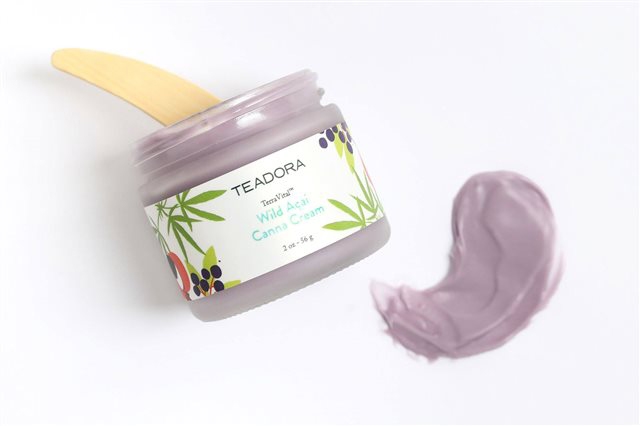
Wild Acai Canna Cream with CBD: Whether it’s the acai berries or the CBD, we don’t know and we don’t care. It’s totally refreshing and soothing. And it’s CBD, not THC, so it’s legal in all 50 states and non-hallucinogenic.
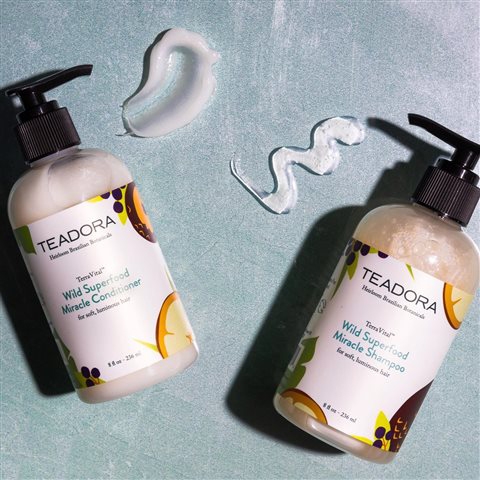
Wild Superfood Miracle Shampoo: If your hair is particularly frizzy and temperamental now, this shampoo will tame and calm it. Just a little goes a long way, and it’s gentle enough for daily use.
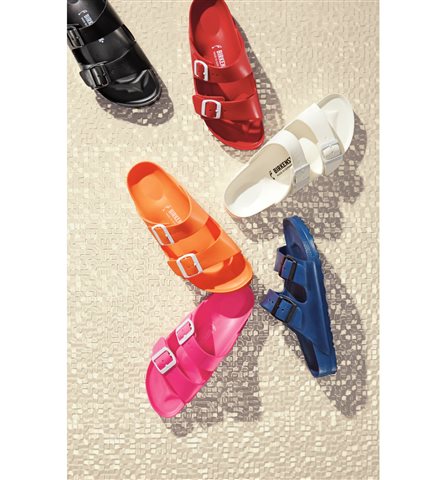
Gennev founder, CEO, and current Night Sweats Champion Jill Angelo always runs hot (and not just when she’s running). She wears the Birkenstock Arizona sandal pretty much all the time at home. They keep her feet cool and help her be all-over comfortable.
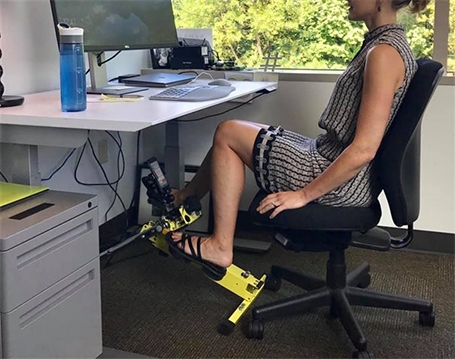
Exercise is the gift that keeps on giving in menopause: it helps with bone health, retaining muscle, managing weight, and protecting your brain, heart, and emotions. But let’s face it, as the days get shorter, darker, and colder, getting out for a run or to the gym is tough. We love the Excy for exactly all those reasons “ you get a full-body workout in the comfort of your own home.
Menopause symptom relief gifts
Gennev
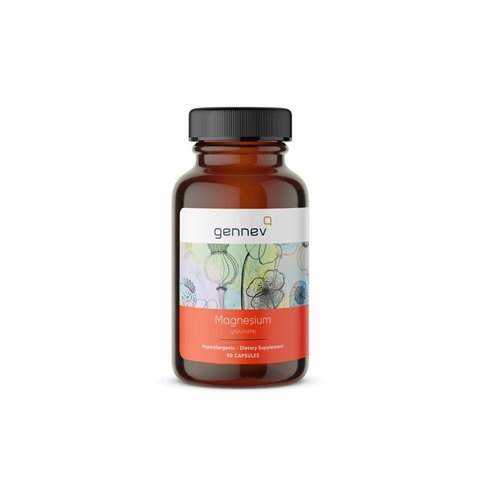
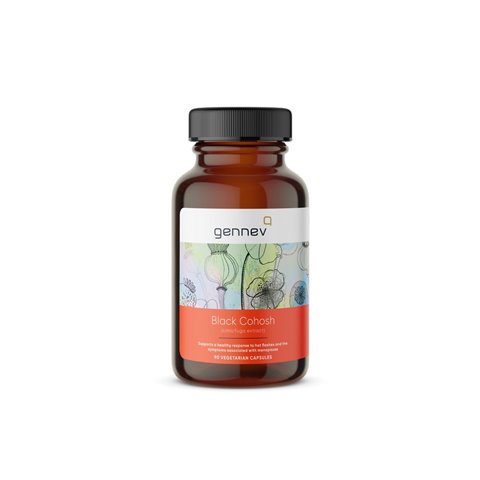
We are the source for menopause relief, and two of our favorites are Gennev Magnesium Glycinate for sleep and joint pain (and many women report anxiety relief), and our new Black Cohosh for help with hot flashes and night sweats.
Hush
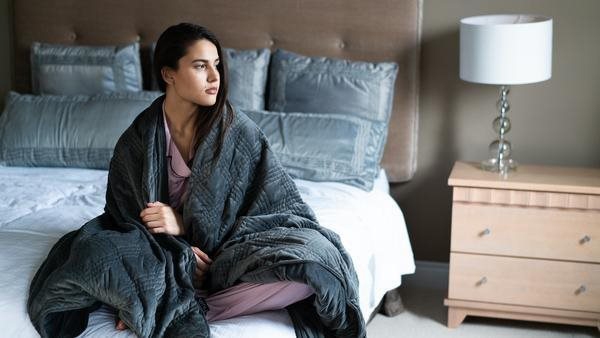
We love the Iced Hush weighted blanket. Weighted blankets are great for easing the insomnia and anxiety that can plague women in midlife, but who wants more blankets when they’re having hot flashes? Hush has one designed to keep you cool, despite the extra weight.
Embr
The Embr Wave is the cutting edge of “FemTech” as a very attractive bracelet that will help you regulate body temperature. Too cool? Hit the button from a warm-up. Feeling a hot flash starting? Nip it in the bud.

Great reads for women in menopause
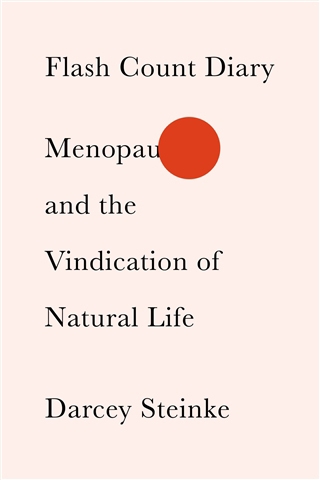
Darcy Steinke’s Flash Count Diary is a fantastic read about one woman’s journey into understanding menopause and her own identity in this second half of life. We dare you not to tear up in the whale section.
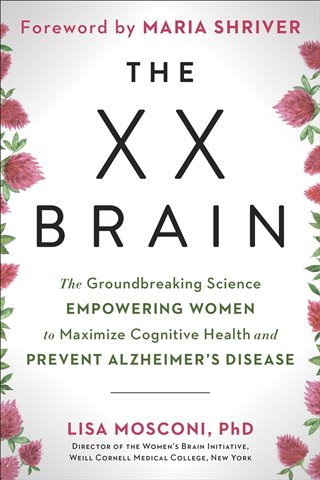
She may be a neuroscientist, but she’s also an amazing author. We recommended Dr. Lisa Mosconi’s book Brain Food last year; this year it’s The XX Brain: The Groundbreaking Science Empowering Women to Maximize Cognitive Health and Prevent Alzheimer’s Disease. She is making the claim that what we eat has huge effects on our brain health, and it’s an empowering, positive read.
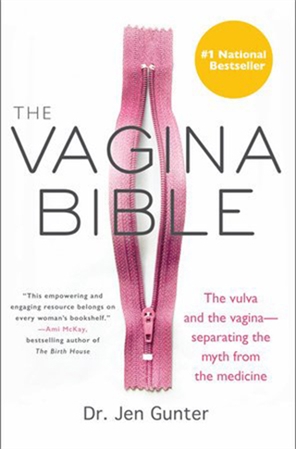
No, eating sugar won’t give you a yeast infection. Dr. Jen Gunter’s The Vagina Bible clears up so many misconceptions we have about our intimate bits and promotes a truly healthy approach towards women’s bodies and female sexual health.
Pleasure
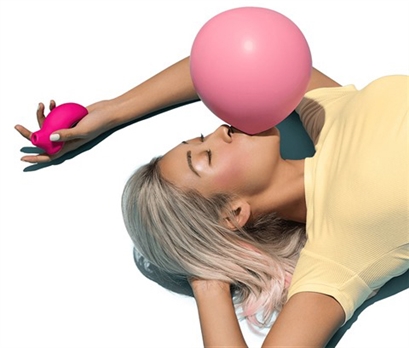
If you’re very close to a woman in midlife and menopause, Dr. Rebecca Dunsmoor-Su, Chief Medical Officer of Gennev, ob/gyn, and expert in women’s sexual health, recommends the Lelo SONA. This sonic clitoral massager may be, quite literally, just what the doctor ordered for a woman struggling with low libido and painful-sex issues. Great for solo play or with a partner, the SONA can help you find new ways of enjoying and expressing sexuality and pleasure.
Nourishment
Food at its finest is a glorious balance of nutrition and pleasure. To help you get the most from your food, we turned to our Director of Health Coaching and Registered Dietitian, Lauren Leedy.
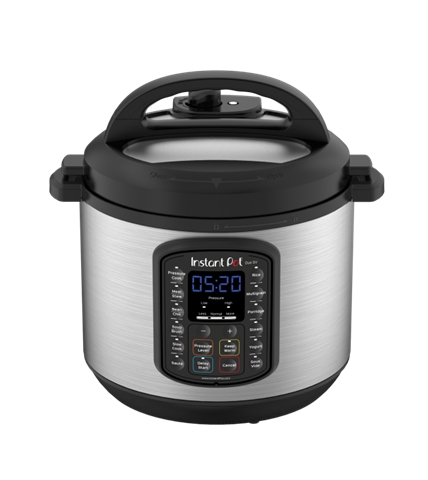
She suggests the Instant Pot pressure cooker for quick, easy weeknight meals or a subscription to a meal delivery service to take the guesswork out of meal planning and food prep.
Says Lauren, “My top recommendation is Sun Basket for cooking kits and Thistle for fully prepared meals.”
What are you hoping to find under the tree this holiday season? Share your awesome gift ideas with the Gennev community in our forums!
*Note: Gennev has affiliate relationships with some of the retailers on this list and receives compensation at sale.