Do you dream of starting your own business?
Women are starting businesses at an astonishing rate. There are 11.3 million women-owned businesses in the US, and nearly a thousand new ones open every day. And yet, women have difficulty finding investment as a female entrepreneur has, on average, only 50% of the startup capital that her male counterpart enjoys.
As a woman-owned, woman-led startup, team Gennev is calling shenanigans on that.
Dream, Girl is a documentary exploring the challenges many female entrepreneurs have faced “¦ and how they’ve triumphed. Created by blogger and film-maker Erin Bagwell and an all-women team, funded mostly through grit and Kickstarter, the film is itself a triumph over obstacles.
And now Gennev, in partnership with Seattle International Film Festival, is bringing Dream, Girl to Seattle.
We’re planning an amazing evening with you at the center. In addition to this inspiring film, we’re hosting a panel discussion and Q&A with some of Washington’s most innovative and accomplished entrepreneurs, educators, and businesswomen. Come ask your burning questions of execs from local orgs like MOD Pizza, TomboyX, JUJA Active, Seattle Girls School, and Inflatable Film. We’ll also have a few surprises to make this a truly special, memorable event!
Order of events:
6 PM Doors open.
7 as 8:30 PM Screening of Dream, Girl
8:30 as 9:15 PM Panel discussion, Q&A hosted by Gennev CEO, Jill Angelo
There’s no end to what we can accomplish when women and their allies work together and support each other.
Check out our powerhouse panel, with more to come!
Leah Warshawski is a producer/director who works for film, television, branded entertainment and corporations around the world. Her motto is “Live Hard. Work Hard. Give Back,” and when she’s not traveling you can find her day-dreaming about whales and warm beaches.
Erin Simmons is a Seattle transplant via Philadelphia with a passion for Google Analytics, Excel Shortcuts, addictive Spotify playlists, and her dog Eddie. She cut her teeth in the agency world before moving in-house as the Director of Marketing for TomboyX. Erin is an experienced marketer that leverages analytics to develop data-driven stories. She then uses these stories to create measurable digital strategy that works.
Betsy Webb is Head of Marketing and Digital, JUJA Active. She has been an entrepreneur, a marketer, and a strategist during a career that has included 5 years at Sprint and 18 at Microsoft, where she was the business leader for the Office 365 launch and for all the corporation’s advertising/media. Now at JUJA Active, a retail startup, Betsy is building a digital marketing engine from the ground up.
Ally Svenson and her husband, Scott, co-founded MOD Pizza, opening the first MOD in Seattle in 2008. They are currently pursuing an aggressive national and international expansion of the brand, excited by the notion of “Spreading MODness” into new communities. Ally is a Seattle native, graduate of Bellevue High School and honor graduate of Wellesley College. Above all, Ally’s greatest and most sacred role is that of mother to her four amazing boys and as wife to Scott!
Brenda Leaks is Head of School at Seattle Girls’ School. She is passionate about helping middle school students find their voices and live into themselves each day.
Many thanks to our sponsors!
“Every woman that reaches middle age will experience some level of menopause symptoms. Left untreated, these symptoms can lead to a significant reduction in quality of life,” says Gennev Chief Medical Officer, OB/GYN Dr. Rebecca Dunsmoor-Su.
And because none of the 1.3 million American women who enter menopause each year will have exactly the same experience as another “ and because two women can have vastly different experiences “ there’s never been a real attempt to chart the journey through the transition.
Until now.
Recently we crossed a major milestone here at Gennev: 50,000 women have taken our Menopause Assessment! Created in 2017 by Dr. Dunsmoor-Su, the comprehensive Gennev Menopause Assessment asks women for information about their age, menstrual cycles, symptoms, and history.
Based on women’s responses and Dr. Dunsmoor-Su’s 20+ years of expertise as an OB/GYN with special expertise in menopause, we identified five distinct menopause types. From there, Dr. Dunsmoor-Su, along with our CEO Jill Angelo, created the first-of-its-kind Menopause Journey Map.
Why the map for menopause stages matters
Why is the map a big deal? According to Dr. Dunsmoor-Su, “We’re excited to deliver the Menopause Journey Map to help set expectations for women and offer predictive solutions for symptom relief, something that’s never been done before.”
If you’re a Type 1 (periods becoming irregular, occasional hot flashes), it might be very helpful to know what probably lies ahead in Type 2 (skipping periods, heavy periods, some hot flashes, poor sleep). You can start making lifestyle changes now to combat symptoms, and perhaps the first time you experience normal, harmless, hormonal heart palpitations, you’ll know how to distinguish them from something more serious.
Perimenopause is an opportunity to start practicing some serious self-care in terms of diet, exercise, sleep hygiene, and more. But many women miss a lot of this window, not knowing the symptoms they’re experiencing are hormonal. And if your primary physician isn’t well-educated on menopause (as many aren’t), they may not know either.
Too many women spend years being misdiagnosed, or worse, ignored, before getting the answers they need. But because our health in perimenopause can affect our longer-term, post-menopausal health (think brain, bones, and heart), it’s important that we know when we’re in it.
And no, your getting hormone levels tested probably won’t tell you.
Hear more about the map from the creator of the Menopause Assessment, Dr. Rebecca Dunsmoor-Su:
What are the Menopause Types?
Our Menopause Map breaks menopause into 5 types. (A detailed overview of Menopause Types is available here):
- Menopause Type 1: Women are pre-menopause and starting to see some perimenopausal symptoms with early irregular periods, occasional hot flashes, some (irregular) mood symptoms. For many women PMS gets worse.
- Menopause Type 2: Women are perimenopausal and starting to experience irregular and spaced periods that are often heavy. Skipping periods is normal during this phase and may continue until periods stop altogether. Women may experience symptoms of hot flashes, night sweats, sleep disturbances, and mood changes.
- Menopause Type 3: Women in this phase are in early menopause, which lasts approximately 1 to 10 years after last period. Women will still experience some symptoms, but symptoms will wane later in this stage. Vaginal symptoms tend to appear 2 to 3 years after the last period. Women may notice brain, skin, and hair changes more frequently. Mood extremes tend to ease.
- Menopause Type 4: Women in this phase are in later menopause, which begins approximately eight years after menopause. During this phase, symptoms shift to mental, vaginal, urinary, hair, and skin, as well as more muscle and joint pain.
- Menopause Type 5: Type 5 menopause defines a woman whose position in the transition is uncertain because she is taking hormones. This reflects women on oral contraceptives or with an IUD that stops menstruation. This category also includes those who have had a hysterectomy or ablation, but have kept their ovaries (as they will hormonally go through menopause, but experience no bleeding signal).
Knowing your symptoms and cycles is the best way of pinpointing your place in the journey, but to truly understand your body, it helps to discuss your experience with a menopause expert.
Know where you are in the journey
Cliché or not, knowledge truly is power as the power to take control: To manage perimenopause and menopause symptoms now, and to make good choices to preserve your health, independence, and quality of life for the many decades that come after menopause.
“For too long, women’s health 40+ has been treated as shameful, but with GenX women aging into midlife, demands for menopause information, community, and solutions are on the rise,” says Jill Angelo, co-founder and CEO of Gennev. “The healthcare industry has been stubborn to evolve, but now we have the data, software, diagnostics, products, and services that allow us to tackle menopause symptoms head on. We have the ability to create the What to Expect When You’re Expecting for menopause.”
If you’re ready to find out your Menopause Type and start charting your path on the Menopause Journey Map, the first step is to take the Gennev Menopause Assessment. This free and confidential questionnaire takes less than 10 minutes.
Once your Assessment is complete, you’ll be directed to create a free account on Gennev. From your personal, confidential dashboard, you can learn all about your menopause type, get product recommendations specific to your symptoms, find educational materials tailored for you, and connect with a Health Coach or OB/GYN. Then, with your Gennev menopause team, you can build the plan that’s right for you.
The definition of menopause is actually really simple: it’s just one day. Menopause is the one-year anniversary of your last period. This is perhaps the only thing about menopause that’s “simple.” But menopause doesn’t have to be unpleasant or something to dread. With knowledge and a Menopause Plan, you can survive and thrive through the transition and for many many years beyond.

If you struggled to button your jeans this morning, you are NOT alone. Most women gain about a pound a year on average during the menopause transition. While that doesn’t sound like a lot, the big issue is where those pounds are suddenly going”right to your belly! Belly fat is such a common occurrence that there’s even a name for it, the menopot. Unfortunately, it isn’t just a problem when you’re trying to zip up your jeans, extra weight in this area can lead to a host of health problems.
Belly fat & menopause: What’s happening?
During childbearing years, the hips, thighs, and butt were likely the go-to spots when you gained weight. But once perimenopause arrives, your middle is more likely to be expanding. Estrogen directs fat to the lower body early in life to support childbearing. When estrogen declines, fat instead migrates to the abdominal area, similar to the pattern in which men gain weight.
The location of the fat isn’t the only difference. Weight gained in the hip, thigh, and butt areas is usually subcutaneous, right below the skin. But when you start packing on pounds in your midsection, the fat builds up deeper and around your organs. This fat, called visceral fat, appears to be more active than surface fat, releasing substances, affecting hormones, and increasing your risk of high cholesterol, heart disease, diabetes, and even cancer. According to a study in the Journal of the American Heart Association, women with more central body fat had a 10 to 20 percent greater risk of having a heart attack during the seven-year study than women with more overall body fat. A widening waistline can even be risky if you’re otherwise a healthy weight.
Vanity aside, it’s smart”possibly even lifesaving”to take steps to manage your midsection.
What to do about belly fat
Don’t worry, you won’t have to do dozens of crunches. It’s impossible to spot reduce. Instead, a comprehensive approach to all-over weight loss is your best strategy for shrinking your belly and protecting yourself against future health problems. Here are some additional steps that may target belly fat.
Eat more fiber, especially the soluble kind. This type dissolves in water to form a gel-like substance that helps to lower cholesterol and glucose levels. It also appears to help keep belly fat at bay. For every 10-gram increase in soluble fiber, there was a four percent decrease in the accumulation of abdominal fat, according to a study in the journal, Obesity. Good sources include oatmeal, oat cereals, barley, beans, nuts, lentils, peas, apples, blueberries, oranges, Brussel sprouts, and sweet potatoes. Fiber also helps by filling you up for fewer calories and improving digestion.
Kick up the intensity. All exercise is good for your health and body weight, but pushing yourself a bit could help slim down your middle. When researchers tracked over 1,000 adults for five years, they discovered that those who did some type of vigorous exercise”think jogging, jumping rope, fast cycling, speedy walking”at least a few times a week accumulated less belly fat than those who rarely or never got their heart rate cranking. An easy way to up your intensity is by adding short intervals to your usual workout. So, if you normally walk for exercise, speed up or jog for 30 to 60 seconds, then recover for a minute or two, and repeat throughout your workout. Increasing the speed of any activity or adding some impact”if your joints don’t mind”will ratchet up the intensity.
Skip the cocktails, or at least limit them. Drinking alcohol has been linked to a larger waistline, though it’s not exactly clear why those Cosmo calories seem to be drawn to your middle. Most drinks are high in calories, contain a lot of sugar, and often contribute to poor food choice when you’re indulging.
Pick up some dumbbells. If you’re not strength training, you’re losing vital muscle mass that fuels your metabolism. The decline can start in your 30s and means that you’re burning fewer calories. No wonder it’s harder to lose weight and easier to gain it as you get older. But lifting weight, using resistance bands, or doing body weight exercises like pushups can curb the loss and even rebuild some of the lost muscle. And according to research, it can help shrink belly fat. And just two or three workouts a week will do the trick. You can even pump out some reps while your binge watching your favorite show.
Find a way to chill. We know, we sound like a broken record. But, when you’re stressed, your body pumps out higher levels of the stress hormone cortisol. One of the effects”there are many negative ones“of increased cortisol appears to be a bigger belly. The good news is there’s no right way to relax so pick what works for you. Walk. Meditate. Listen to relaxing music. Take some deep breaths. Do yoga. Sit on the couch and stroke your dog or cat.
Most importantly, stick with these healthy habits. Because visceral fat is so deep you may not notice the changes right away, but research has found that even if you don’t drop any pounds, you’re reducing your risk of future health problems.
When to get help for belly fat
A large waistline puts you at risk for metabolic syndrome, a cluster of symptoms that can lead to heart disease, type 2 diabetes, stroke, and other health problems. If you have any of these related symptoms or are taking medication for any of them, you should see a doctor.
- Abdominal obesity (40+ inch waistline for men; 35+ inches for women)
- High triglyceride level (150 milligrams per deciliter of blood [mg/dL] or greater)
- Low HDL (“good”) cholesterol (less than 40 mg/dL in men or less than 50 mg/dL in women)
- High blood pressure (top number 130 mm Hg or greater, bottom number 85 mm Hg or greater)
- Fasting glucose (100 mg/dL or more)
Increased belly fat is also a primary risk factor for insulin resistance”a precursor to diabetes, and a warning flag for heart disease, stroke, fatty liver, and vascular disease.
Other warning signs that should prompt a call to your doctor:
- A rapidly expanding waistline
- Losing weight, but your midsection keeps growing
- Belly bloat accompanied by severe pain, spotting between periods, postmenopausal bleeding, blood in your stools, or fever.
We can help you manage belly fat
- Explore our weight management program“Get personalized guidance for managing midlife body changes and meeting your health goals from our menopause-trained RDNs and MDs.
- Learn more about meeting with a Gennev doctor or RDN“Our menopause specialists can help you understand why you are experiencing belly fat and the impact on your overall health and wellness; here’s how to get started.
“
The information on the Gennev site is never meant to replace the care of a qualified medical professional. Hormonal shifts throughout menopause can prompt a lot of changes in your body, and simply assuming something is “just menopause” can leave you vulnerable to other possible causes. Always consult with your physician or schedule an appointment with one of Gennev’s telemedicine doctors before beginning any new treatment or therapy.
From Gennev CEO, Jill Angelo…
A couple of weeks ago, I wrote to you about Gennev’s position on hormone replacement therapy (HRT).
I heard from many of you about your personal stories of using hormone therapy effectively to combat menopause symptoms. From others, I heard concerns.
And that’s OK.
Our health is not a quick decision. What we do know is that there is no one-size-fits-all for women’s health in midlife.
In the last week, a new observational study hit the wire from Finland about HRT and Alzheimer’s. The researchers looked at outcomes involving nearly 85,000 postmenopausal Finnish women and found that those who had taken hormones long-term (like 10+ years) had a very small increased risk for Alzheimer’s.
Note the word “postmenopausal.” This study was done with women 65 years and older.
Immediately, I reached out to sources I trust most, and here’s what they had to say.
Dr. Rebecca Dunsmoor-Su, M.D. and Gennev’s Director of Health and resident ob/gyn, breaks down the study in terms we can understand. Mind you, she’s also an epidemiologist who is schooled on the virtue of broad observational studies such as the one in Finland versus the randomized approach most medical studies prefer.
In summary Dr Rebecca says, “”¦ this study does not increase my worry about prescribing HRT for my patients.”
Dr. Lisa Mosconi, PhD, Director of the Women’s Brain Initiative and Associate Director of the Alzheimer’s Prevention Clinic at Weill Cornell Medical College (WCMC)/New York-Presbyterian Hospital, weighed in with a simple comment, “I think this article only confirms what we already knew as initiating HRT after menopause doesn’t work and can actually increase risk of dementia in women who are older than 60, in part because of an increased risk of ischemia (part of your body not getting enough blood and oxygen).”
According to CNN, “The study’s authors say the results cannot show a cause-and-effect relationship between the use of hormones and an increased risk of Alzheimer’s. That’s partly because the study was not able to capture age and other risk factors for comparison, such as genetic risk for Alzheimer’s, diabetes and cardiovascular disease.” And the BBC warns women to “”¦not be alarmed.”
We asked Dr. Lisa Savage, MD and ob/gyn and new guest blogger for Gennev, to give us the 101 on HRT application forms. For me personally, this review grounded me like no other.
We’ve explored HRT for a number of menopause symptoms, for longer-term issues like heart disease, and for as you guessed it as Alzheimer’s and dementia.
We’ve even taken head-on your questions about HRT versus bio-identical hormone replacement therapy (BHRT) in a recorded webinar with Dr. Rebecca Dunsmoor-Su. And we’ve given you a straightforward perspective on testing hormone levels.
Gennev is seeking the truth on HRT, and it’s our intention to bring you credible, tested, and trusted opinions on this topic. With less than 7% of women in menopause getting the help they need to manage symptoms, we believe HRT is a viable option for more women than it serves.
I’ve labored on now twice in the past month about hormone therapy, so I will give it a rest (for awhile).
If you have questions and concerns about whether or not HRT is the right treatment for you, there is no better place than Gennev’s community forum or our private 1:1 practitioner appointments to get your questions answered by experts you can trust.
As always, if you have comments or recommendations for future topics you’d like me to weigh in on, please email me directly at jill@gennev.com.
Have a great weekend!
Jill
When hormone levels change, it seems like your whole body changes, doesn’t it?
This is especially true for women with diabetes who are entering the beginning stages of menopause, perimenopause. True still and again for pre-diabetic women entering the same life transition. Hormones have a whole lot to do with both menopause and diabetes, and it’s baffling at times to navigate new symptoms and identify what they are in your body, in addition to living your busy, awesome life.
A concern for the undiagnosed
In 2015, of the 30.3 million adults who had diabetes, 23.1 million were diagnosed, and the remaining 7.2 million were undiagnosed.
What will serve you through this is your awareness and attention to what is going on in your body.
If a new diagnosis of diabetes coincides with the onset of menopause, you may be navigating some similar symptoms. For instance, you may experience a symptom of foggy thinking both menopausally and diabetically. The element to zoom in on might be to determine if and/or when there is a difference in it being a diabetic symptom vs a menopause symptom. So much is new, and not much is fun.
Still, staying informed and aware of symptoms and changes in your body is where your power lies in making good choices and taking good care of yourself. We do recommend talking with your doctor and getting your blood sugar levels checked, especially if your risk is higher for diabetes.
A few of the main symptoms in common
- Frequent urination: In menopause the frequency for the need to pee can increase. Same with diabetes but for different reasons, mostly having to do with kidney function not being able to reabsorb the glucose normally when blood sugar is up. Instead, more urine is made, thirst increases, and so, more frequent peeing.
- Night sweats: Another common experience in menopause is night sweats. Ugh. In diabetes night sweats may be caused by low blood sugar levels, while in menopause a decline in estrogen to the hypothalamus in the brain can bring those suckers on and wake you up from your sweet sleep.
- Anxiety, mood swings, depression: Women are twice as likely as men to experience depression, more during menopause, and still more likely for those women with diabetes. The hormone changes and pressures in life a woman experiences are just plain different from men. You deserve good care, excellent attention, and helpful, reliable information.
- Itchy dry skin: As estrogen levels drop in a woman’s body, so does the moisture content in the skin. Here comes the itchy, dry skin. In diabetes, dry skin is often attributed to high blood sugar and/or poor circulation. As skin is the largest organ of the body, it’s significant when it’s uncomfortable: from crackly, crusted feet to rough hands, to that most intimate, delicate vaginal tissue, moisture replenishment yields comfort.
- Urinary tract and vaginal infections: High blood sugar levels (yes, even pre-menopause) can contribute to UTI and vaginal infections. But wait, there’s more”¦ a decline in estrogen makes it easier for bacteria and yeast (yep) to thrive in the vagina and/or urinary tract.
What else will help?
Whether you’ve been diagnosed with pre-diabetes, diabetes, or menopause (or not), there are a few things you can do to help your overall health until you talk with your doctor or check in with our telemed team (but please, do talk with a doc. Soon). What can you do? Self-care, support, processing, and testing.
- Circulate – Some increased blood flow and endorphins from mild exercise can make a world of difference in your blood sugar levels, improve your health and mindset, and aid in managing hot flashes, depression, or anxiety. Even a little regular movement will help you feel better”¦ maybe even good. But don’t take our word for it”¦ give it a go and see.
- Eat the good stuff – Nutrition is a big topic and the fuel you choose has a lot to do with regulating blood sugar, managing symptoms, even sleeping well when it comes to both menopause and diabetes. Where might you make even better choices around refined sugar, alcohol, and processed foods? When are you more willing to drink a little more water? It’ll make a difference.
- Levels? Check! – If your weight is changing, your symptoms are increasing in intensity or frequency, and you’re at a higher risk level for diabetes, it might be time to get blood sugar, cholesterol, and other levels checked with your doctor. Ask also about whether or not an adjustment to any existing medication levels might be needed.
- Menopausal support – Talk with trusted friends, family, and community about what’s going on in your body. What you’re experiencing is real and talking about it can really support you and help you make sense of all the changes. Another option, sign up for some specific menopause coaching support with a Health Coach who is a Registered Dietitian and a menopause expert. It’s a thing.
Your health journey is a precious and vibrant part of your life (and quality of life). The attention and care you take to feel better will serve you in both the long and short run.
We’d love to hear your experience – both the good and the challenging – around diabetes, pre-diabetes, menopause”¦ life!
Join us in the Community for shared knowledge, wisdom, and support.
“Estrogen dominance” may sound like the crowd at a showing of Wonder Woman, but it’s actually a fairly common hormonal experience among women in perimenopause and menopause, according to Nicole Negron, Women’s Health Consultant.
Estrogen is a wonderful thing: it helps regulate women’s cycles, it increases the feel-good chemicals in our brains, it helps build strong bones, keeps skin elastic, and helps hearts stay healthy. With all those good benefits, you’d think, the more estrogen the merrier; bring it on!
You know what they say about “too much of a good thing,” right?
Nicole Negron
Estrogen dominance happens when estrogen levels are too high relative to progesterone levels in the body. And according to Nicole Negron, certified Integrative Women’s Health, Nutrition, and Lifestyle Consultant, it can cause a host of discomforts, including a decreased sex drive, insomnia, difficulty articulating thoughts “¦ sound familiar?
Spoiler alert: according to Nicole, estrogen dominance “is a direct result of the foods we eat, the products we use, stress, poor sleep, and other environmental circumstances.” Because these factors are within our control, she says, this challenging hormonal experience can be managed through better nutrition and stress management. The menopause clinic team at Gennev will break it down for you. Read on!
What causes estrogen dominance?
During a menstrual cycle, in the two weeks before a woman’s period, her estrogen levels go on a steady rise. The body is preparing a soft landing for an egg, and to increase the chances of fertilization, all that extra estrogen works to line the uterus but also to amp up a woman’s sexual thoughts and bump up her energy and confidence.
If the egg isn’t fertilized, the rich uterine lining is shed (that’s a period), estrogen levels drop, the estrogen floating around in there is swept out, and the body starts prepping for next month.
Estrogen dominance, Nicole says, is when that extra estrogen doesn’t get eliminated properly. And that starts with a bad balance in the gut.
If your gut biome (the living bacteria in your intestines that help you digest your food along with a whole lot of other stuff) isn’t healthy, it doesn’t clear estrogen from the body the way it should. And because modern women get extra estrogen from food and from the environment, not only are we not sweeping out what we’ve already got, we’re adding to the problem.
(learn more about your gut biome and how food, stress, inflammation, and health are all connected)
Even more, stress exacerbates estrogen dominance, so the higher and more sustained the stress levels, the more severe the estrogen dominance symptoms will likely be. How many women do you know living stress-free lives?
Estrogen Dominance Symptoms
The symptoms look a lot like standard perimenopause/menopause symptoms: limp libido, irregular periods, mood swings, breast tenderness, cold hands and feet, hair loss, bloating. These can start as early as the mid-30s and continue for 10-15 years.
Signs of estrogen dominance
However, Nicole warns, women shouldn’t ignore their symptoms or try to simply suffer through them. Estrogen dominance has been linked to autoimmune disorders such as Hashimoto’s syndrome, arthritis, Grave’s disease, lupus, and others, some of which can be life-threatening if left untreated.
How to reverse estrogen dominance naturally?*
You convinced me. So, how do I reverse estrogen dominance naturally? Here’s what we recommend.
First task: get diagnosed
Your gynecologist should be able to test your estrogen levels to determine if they’re high or otherwise problematic. However, Nicole says, many women return a “normal” result even if their levels are high, so if you feel something is wrong, get a second opinion and start the lifestyle changes that (a) are healthy anyway, and (b) can help reduce estrogen levels naturally. Estrogen imbalance is common, but isn’t always obvious.
Second task: test yourself (or even better, get a specialist like Nicole to test you).
It’s possible that high estrogen can be traced back to food sensitivities that cause leaky gut syndrome, weakening the biome responsible for sweeping estrogen from the body. Nicole suggests a food protocol of removing the usual suspects for sensitivities: wheat, gluten, sugar (that’s a biggie), corn, possibly eggs. Eating free of these for 2 as 3 months, then gradually reintroducing them one at a time can help you identify culprits.
Third task: Estrogen Dominance Diet
Add in gut-friendly foods that decrease estrogen. Fermented foods are great for healing the gut and intestinal lining and sweeping extra estrogen, Nicole says. Kefir, kimchee, sauerkraut, and kombucha with no added sugar are great pre- and probiotics that can support a healthy, diverse biome.
(looking for local kombucha or other gut-friendly foods? (try your local farmers’ market)
Fourth task: leverage the nutritional value of food
Lots and lots of leafy greens, grilled or baked veggies, lean proteins, and no refined carbs or added sugars. If you’re still having a period, you can even plan your food to account for the body changes that come with your cycle. During the two weeks before the period when the body is ramping up estrogen, cut back on bread, dairy, and other foods that dump sugar into the blood stream and overtax the liver.
Fifth task: manage stress
We know, we know “¦ easier said than done, but since not feeling well is a major stressor, it’s worth it to try to reduce stress where you can. Get regular exercise. Sleep (and that means for reals turning off the devices well before bedtime. Bonus: you can start getting through that stack of books on the nightstand). Embrace the glory of “no.”
Sixth task: detox your environment
Xenoestrogens (“foreign” estrogens, i.e. not created by the body) can contribute to estrogen dominance, so getting them out of your home and food is critical. Look for natural shampoos, soaps, cosmetics, etc. Eat organic food, look for “phthalate-free” plastics. The DC-based advocacy initiative Environmental Working Group has a list of products it believes to be safe, which is a good place to start. Wash your hands. Don’t wear outside shoes in the house.
Seventh task: get a Nicole (or someone like her).
Managing hormone levels is really safest and most effective with some expert oversight. Find a functional nutrition specialist like Nicole Negron to help you assess your body, detox your personal spaces, manage stress, and eat right for your biome. Look for someone who specializes in women’s bodies, especially in women over 40.
By the time we reach perimenopause or menopause age, we should be experts at our own bodies, even in times of change, Nicole says. But the modern world often makes women feel they need to consult “professionals” for the facts.
If you need expert guidance to help, a menopause-certified health coach can be helpful. Book 30 minutes for your personal consultation with a health coach.
The truth is, we are the only one in there, and that means we have more information and experience than anyone. It also means we have more control. If your body doesn’t feel right and isn’t performing normally, don’t assume it’s a natural part of aging, or it’s “just menopause.”
“It’s important to tell women, “you’re not crazy, you’re hormonal, and that’s OK’.“ Nicole reminds us. “Symptoms are a form of communication, your body’s way of expressing its need for realignment. Once we learn our body’s language, we can begin to build a relationship, trust what we experience, and start making the changes that feel right to us.”
Nicole Negron is a women’s health advocate, educator, and community leader with a passion for brain health, empowering women, and all things nutrition.
Nicole is a Certified Women’s Health and Nutrition Specialist and is on a mission to bring female brain chemistry and hormonal health to the forefront of everyday conversation. She teaches that understanding the correlation between the female brain and the four phases of a women’s cycle is the key to productivity, better health, and better relationships.
Nicole attended the State University of New York (SUNY), where she studied Nutrition, Gynecological and Wellness Studies. Additionally, she studied at the Institute for the Psychology of Eating and the Integrative Pelvic Health Institute.
If you have dealt or are dealing with estrogen dominance (or you think you might be, after reading this), we’d love to hear about it. Tell us your experience in the comments below, or on Gennev’s Facebook page or Midlife & Menopause Solutions, our closed Facebook group.
*The information in this blog is for education only and not meant to replace the advice of a medical professional. Feeling dominated by estrogen? Please as talk to your doctor.
Gut health might seem like the latest fad, but this “fad” is for real, and it has major implications on your wellness as especially for women in midlife and menopause.
Beneficial bacteria in our gut microbiome do a whole lot of very useful things, including helping to make many nutrients in our food available for our bodies to use. They keep our intestines intact to prevent “leaky gut,” they help regulate our immune system, they impact brain health, emotions, even reproduction.
It pays to keep your microbiome well-fed and happy.
Gut health for women over 40
There’s a special pocket of gut flora called the “estrobolome” which helps metabolize estrogens in our body. When these are disrupted or die off, we are at higher risk of heart disease, osteoporosis, and obesity. In turn, estrogen in the body helps these flora “¦ flourish! Obviously, these bacteria are at greater risk when we hit perimenopause and estrogen levels begin to drop.
How to protect our gut health
Fortunately, there are ways to optimize the care and feeding of your gut biome to prevent dysbiosis, or the die-off of beneficial bacteria. Check out “Gut Check: How to Increase Beneficial Bacteria” on Prime Women for the full scoop on maintaining a healthy gut and reaping the benefits.
What do you do to protect and nourish all those helpful bacteria in your belly? Share with us in the comments below!
Check out our other articles in cooperation with Prime Women, including How to get good sleep and the effects of low-dose birth control in menopause.
What do you give a woman who has every menopause symptom? (or so it seems, anyway)
You give her sweet relief.
If you’re dealing with all the other gifts like hot flashes, anxiety, insomnia during menopause, we have a list for you. Stick it under a loved one’s nose as a not-too-subtle hint or buy “em for yourself because you deserve it.*
Self-care for menopause
Teadora
We have two recommendations this year from one of our favorite self-care brands. This is a company that will raise your holiday spirits: woman-led, environmentally aware, super-healthy products that really work.
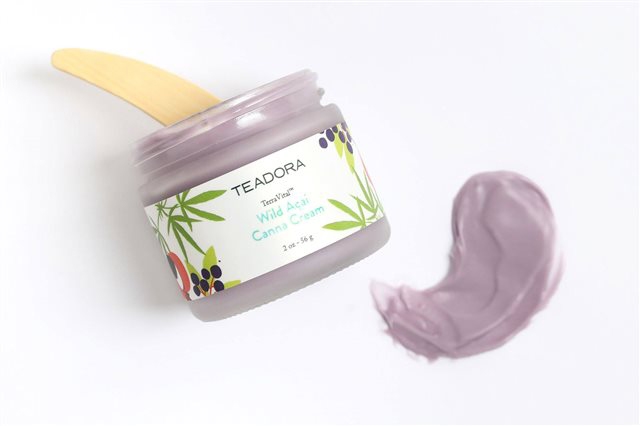
Wild Acai Canna Cream with CBD: Whether it’s the acai berries or the CBD, we don’t know and we don’t care. It’s totally refreshing and soothing. And it’s CBD, not THC, so it’s legal in all 50 states and non-hallucinogenic.
Wild Superfood Miracle Shampoo: If your hair is particularly frizzy and temperamental now, this shampoo will tame and calm it. Just a little goes a long way, and it’s gentle enough for daily use.

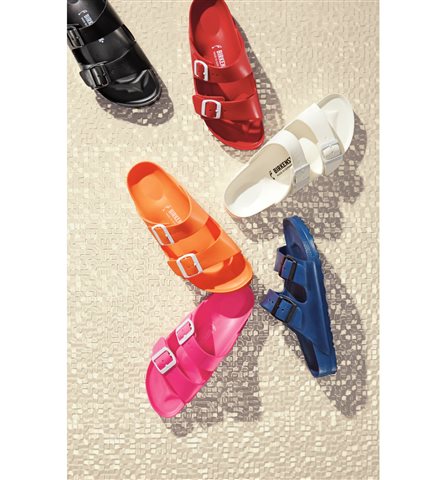
Gennev founder, CEO, and current Night Sweats Champion Jill Angelo always runs hot (and not just when she’s running). She wears the Birkenstock Arizona sandal pretty much all the time at home. They keep her feet cool and help her be all-over comfortable.
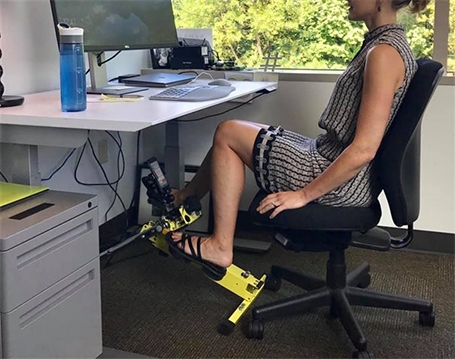
Exercise is the gift that keeps on giving in menopause: it helps with bone health, retaining muscle, managing weight, and protecting your brain, heart, and emotions. But let’s face it, as the days get shorter, darker, and colder, getting out for a run or to the gym is tough. We love the Excy for exactly all those reasons “ you get a full-body workout in the comfort of your own home.
Menopause symptom relief gifts
Gennev
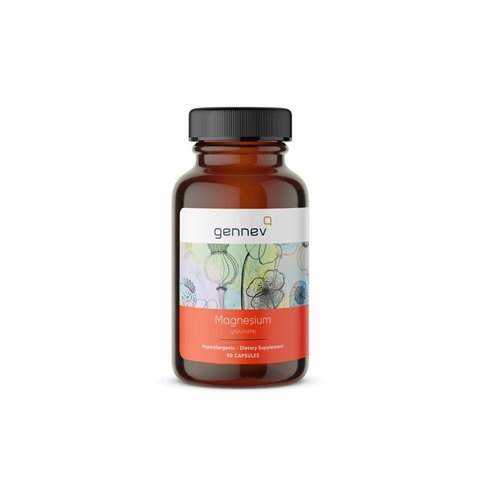
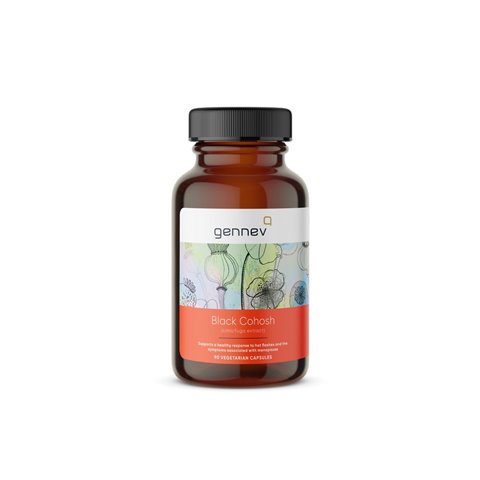
We are the source for menopause relief, and two of our favorites are Gennev Magnesium Glycinate for sleep and joint pain (and many women report anxiety relief), and our new Black Cohosh for help with hot flashes and night sweats.
Hush
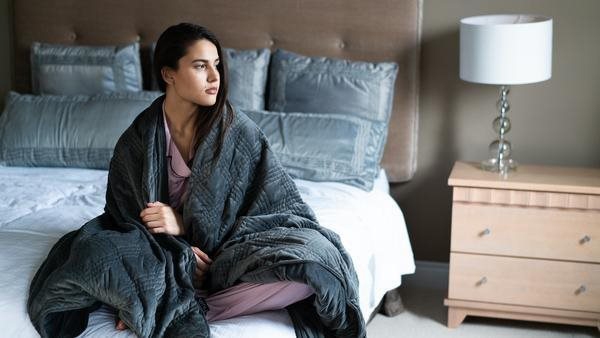
We love the Iced Hush weighted blanket. Weighted blankets are great for easing the insomnia and anxiety that can plague women in midlife, but who wants more blankets when they’re having hot flashes? Hush has one designed to keep you cool, despite the extra weight.
Embr
The Embr Wave is the cutting edge of “FemTech” as a very attractive bracelet that will help you regulate body temperature. Too cool? Hit the button from a warm-up. Feeling a hot flash starting? Nip it in the bud.

Great reads for women in menopause
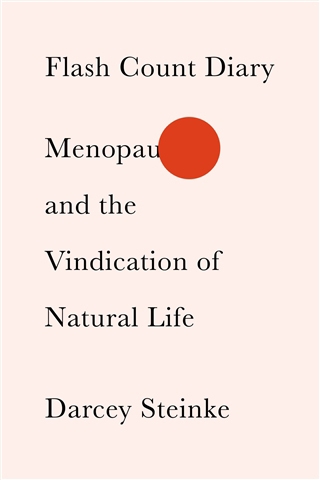
Darcy Steinke’s Flash Count Diary is a fantastic read about one woman’s journey into understanding menopause and her own identity in this second half of life. We dare you not to tear up in the whale section.
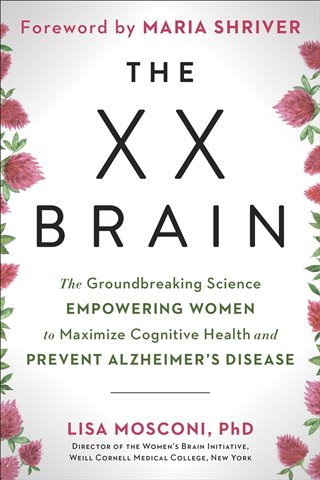
She may be a neuroscientist, but she’s also an amazing author. We recommended Dr. Lisa Mosconi’s book Brain Food last year; this year it’s The XX Brain: The Groundbreaking Science Empowering Women to Maximize Cognitive Health and Prevent Alzheimer’s Disease. She is making the claim that what we eat has huge effects on our brain health, and it’s an empowering, positive read.
No, eating sugar won’t give you a yeast infection. Dr. Jen Gunter’s The Vagina Bible clears up so many misconceptions we have about our intimate bits and promotes a truly healthy approach towards women’s bodies and female sexual health.

Pleasure
If you’re very close to a woman in midlife and menopause, Dr. Rebecca Dunsmoor-Su, Chief Medical Officer of Gennev, ob/gyn, and expert in women’s sexual health, recommends the Lelo SONA. This sonic clitoral massager may be, quite literally, just what the doctor ordered for a woman struggling with low libido and painful-sex issues. Great for solo play or with a partner, the SONA can help you find new ways of enjoying and expressing sexuality and pleasure.

Nourishment
Food at its finest is a glorious balance of nutrition and pleasure. To help you get the most from your food, we turned to our Director of Health Coaching and Registered Dietitian, Lauren Leedy.
She suggests the Instant Pot pressure cooker for quick, easy weeknight meals or a subscription to a meal delivery service to take the guesswork out of meal planning and food prep.
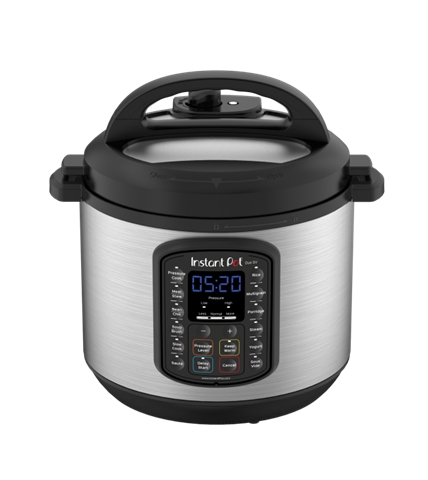
Says Lauren, “My top recommendation is Sun Basket for cooking kits and Thistle for fully prepared meals.”

What are you hoping to find under the tree this holiday season? Share your awesome gift ideas with the Gennev community in our forums!
*Note: Gennev has affiliate relationships with some of the retailers on this list and receives compensation at sale.
“Your Pap test was irregular. We’d like you to come back in for a follow-up.”
It’s not a phone call any woman wants to get, but it’s not uncommon for women to get irregular Pap results in life after menopause. .
Most irregular Pap results turn out to be relatively benign as maybe the doc didn’t get enough cells, or there’s some low-grade inflammation. But it’s worth remembering that rates of deaths from cervical cancer are down significantly over the past 40 years, due in large part to regular screenings, so it’s important to follow up.
Most women have had at least one Pap test, if not a couple dozen, but if you’re like us, you may not be entirely sure how necessary it is, how often we should do this (particularly as we age), or even what the doc is looking for in there.
So we turned to Dr. Jessie Marrs, ob/gyn at Swedish, for more information.
What is a Pap test intended to look for?
Dr. Jessie: A Pap smear is a test every woman needs periodically. It is a test to look for abnormal cells of the cervix. It’s a pretty easy test, your doctor will simply place a speculum and swab your cervix with a small brush to collect a few cells. Frequently the sample from the Pap is also tested for HPV. HPV is a sexually transmitted virus that causes most abnormal Paps. A Pap is actually just a screening test, it gives your doctor information about whether or not you are at risk for abnormal cervical cells.
How often should a post-menopausal woman get a Pap test?
Dr. Jessie: How frequently a woman should get a Pap after menopause depends on her age and the results of her recent Pap tests. If a woman has had all normal Paps, she can stop getting Pap tests after the age of 65. Between the ages of 30 and 65 the frequency of Paps depends on the result of her Pap and HPV testing. If the HPV test is negative and the Pap is normal, screening every 3 years is completely appropriate.
What qualifies as “irregular”? What is my doc seeing?
Dr. Jessie: An irregular Pap is actually something a pathologist finds when she looks at the cells from the Pap. It is not something your doctor finds during the exam. When the pathologist looks at the cells, they are looking for anything that could be a sign of abnormal cells of the cervix.
What could be happening in my body that would result in an irregular Pap test?
Dr. Jessie: There are a couple of possibilities as far as irregular Paps go, especially after menopause. In some cases, there is HPV that is causing actual abnormal cells in the cervix. In other cases, after menopause, thinning of the vaginal and cervical tissue or changes in the vagina like inflammation or cervix related to thinning of those tissues can make the cells on the Pap appear to be abnormal. It will be impossible for your doctor to know which of these scenarios are the case without further testing.
I was told my Pap test was irregular. What happens next?
Dr. Jessie: If your Pap screening test winds up abnormal, it is important to schedule diagnostic testing. The diagnostic test for an abnormal Pap is called a colposcopy. During this procedure, your doctor places a speculum in order to visualize your cervix and coats your cervix in a dilute vinegar solution. Your doctor will then look through a magnifier to look for any areas highlighted by the vinegar. If any possible abnormal areas are found, your doctor will do biopsies of your cervix. This may include biopsies of the external cervix or sampling of the internal cervix. This process can be a little crampy but is generally pretty quick.
How long can I wait before scheduling a follow up?
Dr. Jessie: I usually recommend having your follow-up appointment within 1-2 months after your abnormal Pap smear.
I get “false” irregular results often as when can I stop having follow-up procedures?
Dr. Jessie: Some women do get false irregular results after menopause. If this happens many times, you and your doctor may want to discuss how and when to do follow-up. Depending on the findings and your risk factors, the colposcopies may be able to be performed less often than yearly.
On the other hand, it is always possible that there are actually abnormal cells there, so this needs to be a very careful discussion. In some cases, when the abnormal Pap is thought to be related to atrophy or thinning of the tissues after menopause, a woman can use vaginal estrogen for a couple of weeks prior to her annual exam and Pap, which can normalize the Pap.
I have a teenage daughter. What are your thoughts on the HPV vaccine?
Dr. Jessie: DEFINITELY do get your daughter (and son) the HPV vaccine. The vaccine is FDA-approved for girls and boys between the ages of 9 and 26. It is worth getting your daughter vaccinated to decrease her chances of needing a colposcopy or other procedures on her cervix. Men are carriers of the virus, so vaccinating your son is also a great idea!
Birth control pills don’t cause cervical cancer or HPV; why is my prescription dependent on getting a Pap test?
Ok, good question, this is a common misconception. Actually, your prescription for your pills is not dependent on your Pap, but on your coming in for your annual exam. The Pap is one small part of this yearly appointment.
When you come for your exam, your doctor gets updated by you on any health changes, surgeries and changes to your family’s health throughout the year as well as determining what cancer screening testing is appropriate. The screening that she is tracking includes the Pap smear, but she also determines if you are up-to-date on your mammogram, are you due for a colonoscopy, etc. She also does an exam, which may or may not include a Pap smear.
Getting this information is vital to your health in many cases. I have, more than once, had someone come in for their yearly and found that they were recently diagnosed with a new medical problem and shouldn’t be on birth control pills. Had I just continued to prescribe the pills without seeing the patient, she may have been at risk for complications related to the contraceptives. Some women who take birth control have their menopause delayed.
If you want to be sure you can be prescribed birth control pills, a Gennev menopause-certified gynecologist can give you a trusted opinion and medication for you. They can provide prescription support. Book an appointment with a doctor here.
Now that many women use long-acting forms of perimenopause birth control or need Paps only every 3-5 years, some women are skipping their yearly exams. I don’t recommend this. Even if a pap or a refill isn’t needed, having an annual is important so your doctor can continue to keep track of what screening is necessary and when, stay updated on any new issues and do a thorough exam to look for any changes in your body that need to be addressed.
Can menopause cause an irregular Pap result?
Dr. Jessie: Yes! After menopause a woman’s estrogen levels decrease to very low levels. The vaginal tissues are affected by estrogen. Thinning of the tissues can make the cells appear abnormal on a Pap. The colposcopy will help determine the difference between actual abnormal cells and cells that appear abnormal because of thinning of the tissues.
Beating cervical cancer before it starts
While the death rates from cervical cancer have declined, that doesn’t mean incidences of the disease are radically fewer as in fact, as the US population ages, the number of cancer diagnoses generally has actually increased. Cervix cancer pap tests can detect changes that could lead to cancer before the disease develops, making it a very effective preventative tool. And, as more and more young people are vaccinated against HPV, rates of cervical cancer should continue to decline.
Thank you to Dr. Jessie Marrs, ob/gyn at Swedish for her input.
What is your experience with Pap tests? If you’ve had an “irregular” result that caught cancer early or before it became cancer, we would very much like to share your story. You can respond to us at info@gennev.com, and we guarantee to protect your privacy, if you prefer. Or you can share with the community by leaving us a comment below, or talking to us on our Facebook page or in Midlife & Menopause Solutions, our closed Facebook group.
Walking is easy, right? Yes and no. The physical act of walking, putting one foot in front of the other, is pretty easy for most. Heck, we’ve been doing it since we were about a year old. But it’s not always easy to get out the door. Even I struggle at times.
Because I’m a walking coach, and I’m always encouraging others to walk more, many people think that I take long walks EVERY DAY. Nope! I am far from perfect, and in fact, it’s not about being perfect. So, let’s not beat ourselves up over it! And instead, let’s celebrate every little step we take in the right direction!
Progress, not perfection, is what we should be focusing on.
There are going to be days when you crush your walks, going faster or farther than you thought you could. And then there are going to be the days”like one of mine recently”where it’s 7 p.m. and the only walks you’ve gotten in have been between the refrigerator and your desk and the bathroom and your desk. Life is messy and your walking program will be at times, too. The good news: you don’t have to follow the Get Moving walking plans to a T to benefit. So if you find yourself missing a day or two, the most important thing to do is to start walking again.
Before I had kids, I always changed into my workout clothes and usually drove to a beautiful park to do my walks. Not anymore! If I arrive at an appointment early, even if I’m wearing jeans or a nice outfit, I’ll take a walk around the block instead of sitting in my car or the waiting room. I keep a pair of sneakers and socks”the only essential pieces of walking gear you need”in my car so I can sneak in a walk whenever an opportunity presents itself. Some walking is better than none, and more walking is better than some.
The right attitude will take you farther than the most expensive pair of sneakers.
Your thoughts and what you say influence how you feel and how you behave. If you’re thinking about and talking about your walks as something you have to do, or they’re one more thing on your to-do list, walking will seem less appealing. I’ve found that little tweaks in how you frame walking can make it more desirable. Instead of thinking of it as a chore, make it your escape, some quiet, stress-free, me-time. Or make it a time to connect, whether you walk side-by-side or via technology with a friend or family member. Even a single word change has helped me get my butt in gear on days when I used to rationalize why I shouldn’t walk, like “I have too much work” or “I need to start dinner.” When I was overloaded, thinking to myself that I had to walk made me feel even more overwhelmed. But when I started to reframe it as “I get to walk,” it made it feel more like a privilege that I shouldn’t take for granted. And when I’ve walked even though I’m feeling overwhelmed, I’ve discovered that those are exactly the times when I need walking the most. I’d come back from my walks feeling refreshed and recharged. I’d be more productive, and I was better able to manage all of my responsibilities. It was like a gift that I gave myself.
Seeing improvements can motivate you to do more.
Whenever I teach a walking class, I start by getting a baseline for each of the participants so they can see the benefits of their efforts. Usually, I time them as they walk a set distance. Then, I teach them techniques to improve their walking. After some practice, we repeat the timed walk, and except for one time, everyone has always been faster”and they’re excited about it. That excitement fuels a desire to keep walking and see how much you can improve.
Speed isn’t the only way to track your progress. You could also track the length of your walks, how often you walk or the number of steps you take. My favorite ways to monitor my walks are with my FitBit and MapMyWalk. My FitBit smartwatch tracks the number of steps I take, the number of stairs I climb, my calorie burn, heart rate, hourly movement and my sleep. Checking my weekly and monthly averages helps to keep me accountable. I also use the MapMyWalk app on my phone when I take a walk. Along with showing me my route, it tells me how far and how fast I walked. It’s so rewarding when I see that I’ve completed a previous route in less time or that I’m averaging a faster minute-per-mile pace. It makes me want to do more, but that’s me. You may be motivated by seeing improvements in other areas.
Remember, I mentioned that one time someone did my timed walking drill, and she wasn’t faster? Marion, who has Parkinson’s disease, might have been slower, but when she finished her loop, she was celebrating. For the first time in five years, she was able to look up at the trees and the sky while she was walking instead of always looking down at her feet. She had developed that habit because of her fear of falling, but the techniques she learned helped her to feel more confident and improve her posture while still being able to spy obstacles in her path.
Decide what’s important to you”it may be getting a better night’s sleep, having more energy, reducing your blood pressure or spending more time with friends (that’s become one of my motivators as I’ve gotten older). Then figure out a way to measure it. It could be as simple as writing down in a journal how you feel each day or keeping tabs of how often you walk with friends by checking off days on your calendar. Keeping track can help you reaffirm your commitment when you’re getting off track (happens to all of us), and looking back and seeing how far you’ve come can be rewarding and motivating.
Now I’d love to hear from you! Please share with the Get Moving Walking Community for Women what works for you.
If you try any of my strategies, or some of your own, please let us all know how it goes.
Michele’s key tips for walking success:
- Focus on making progress, not being perfect.
- Walk in what you’re wearing, no need to change clothes.
- Keep a pair of sneakers and socks in your car for impromptu walks.
- Make walking a desirable activity, savoring it as me-time or sharing it with friends or family.
- Start saying, “I get to walk,” instead of “I have to walk.”
- Track your progress with an activity monitor, app, journal or calendar
Join us and get moving
Join the Get Moving Walking Program for Women to receive two 30-day walking programs designed by women for women, support from certified fitness instructors and health coaches, special offers and incentives.
Be part of our Get Moving Walking Community for Women for daily motivation to keep moving, share your walking experiences, receive encouragement, and have the support of other women.
Always check with your physician before beginning any new exercise program.
We can help you be your best self
- Meet with a Gennev Doctor – our board-certified physicians are menopause specialists. They can help you understand your symptoms and develop a treatment plan that is personalized for you.
- Vitality as boost your energy and your walks with a nutrient-packed multi-vitamin supplement that supports your whole body including joint pain and inflammation, mood, stress response, immune health.
For the past three years, we’ve had the privilege of meeting thousands of women from all walks of life. We’ve heard your stories. We’ve shared intimate conversations with you. And we’ve learned a lot.
We’ve learned the Gennev community is global. Your skin color is beautifully diverse. Your symptoms are varied and complex. Your age range is wider than we realized. Your perspective on how you want to manage your health, run the gamut. Some of you like more guidance with a supportive community. Others are solo thinkers and desire a “do-it-yourself” plan for dealing with changing hormones.
And yet, despite these differences, our community is a lot alike.
You have no time to pause in life for the health changes menopause throws at you. You’re professionals, caregivers, makers, and doers. You are shaping the world around you, caring for your families and parents, and trying to care for yourself.
You want control of your health. Menopause is a normal change; what’s not normal is how we mask it from others. And by covering, we disempower ourselves from accessing the types of solutions that will put us back in the driver’s seat of our health and well-being.
Gennev has grown up with you. We’ve learned from your stories. We’ve evolved our solutions based on your requests. And we’re coming into our own as a brand, as a team, and as your community for the second half of life.
That’s why I’m delighted to share some exciting news: We’re introducing a new Gennev brand and membership that better serves us as strong, powerful, modern women as who are shaping the world around us, and for whom this stage of life is #NoTimeToPause.
You’ll notice that we dropped the final “e” on Gennev, to be a name that easily rolls off your tongue, making it easier to share with your friends without second-guessing how it’s pronounced.
We’ve heard that while the Gennev Menopause Assessment is informative, it left you wanting a real, personalized plan for what to do next.
That’s why we’re unveiling a new membership called Gennev HealthFix that brings you on-demand health coaching and menopause programs for improving hot flashes, nutrition and weight, mood, and sleep, for just $10 per month. Our first program to launch is for hot flash relief, and more programs will arrive over the months ahead.
We were the first to offer $35 telemedicine appointments with menopause-trained OB/GYNs and nutritionists, and today we’re expanding our services from 8 states to 30 in the U.S. with plans to be in all 50 in 2020.
And our line of health and wellness products as starting at just $12.95 as will continue to grow with new curated products coming in the next few months.
Gennev is your digital companion for all-things menopause with a goal to prepare you for the second half of life. The same free educational content, community, and Menopause Assessment are at the ready when you need them.
Gennev may look different, but our soul, our purpose and our mission remain the same: to empower women to take control of their health.
We’ve been hard at work at this update for months and we are so excited to share the new Gennev with you!
You with me? Let’s do this!
Jill
P.S. Here’s my top 3 favorites of the new Gennev
Last weekend, I participated in a weekend women’s retreat.
This wasn’t your basic 9-5 workshop or even a weekend at a spa. Instead, six women gathered at friend’s house, eager to dive into deep topics about personal passions, invigorating our spirituality and applying what we’ve learned about ourselves to our daily lives. We skied, we hiked, we ate incredible food. We had long talks as both structured and unstructured as and marveled at what we had learned about life.
It was 4 days of therapy for the soul.
One of the session topics that dug deep for me was living your soul’s purpose. In preparation for this session we had to ask five people from varied backgrounds and whose opinions would matter, to name the things you are good at or attributes they observe about you.
My answers started coming in last Thursday. I read them, thanked the person for their feedback, and filed them in preparation for the Sunday session.
To begin the talk, our leader had each of us explain how the attributes we received about ourselves made us feel. One by one, the other women in the group explained how the feedback empowered them, made them feel happy, confirmed the things they love about themselves.
When it was my turn, I was unprepared for how I would respond.
The only words that I could squeeze out in between tears were, “Really? They think that about me?”
I’m one of those people who has had to learn how to take compliments with grace. Saying “thank you” when someone says something nice. It doesn’t come naturally.
Well, at 45 years old, I’m still working on it.
The people who responded to my request for feedback said things like resilient, trusted, level-headed, kind, loyal, positive, bad-ass, discerning and courageous.
Getting to work on Gennev every day fills my soul. I think I’ve found my soul’s purpose. But what if you don’t believe that you deserve it? The luxury of doing something you love; something that fills your soul? Or that you have the talents and tools to pull it off? Or even have the right to do so?
Women’s Empowerment Coach, Writer, Speaker and Leader, Tara Mullarkey says, “I believe that if we all live our soul’s purpose, we would all be a lot happier, less stressed, less diseased, and more peaceful.”
If I was living my soul’s purpose, why wasn’t I more peaceful?
My self-confidence to pull off this thing called Gennev hasn’t kept up with my will to do so.
I’m not going anywhere, and Gennev is here to stay! But I learned in those four days that our soul’s purpose doesn’t just involve listening to what our heart is telling us or dreaming about what we would do if money were no object; it must be matched with the confidence and the comfort that you’ve got what it takes to pull it off.
As women in midlife, we doubt ourselves in all sorts of ways. Believe me, you just heard about the major dose of self-doubt I struggle with all the time.
We so easily allow those doubts to hold us back; to resist what we really want to do. One of my favorite books is the War of Art written by Stephen Pressfield. In an interview with Oprah he states, “Resistance is a form of self-sabotage“.
No more sabotaging me. Midlife is a time for creativity. For bringing all that awesome wisdom we’ve accumulated over the years. And for living our soul’s purpose.
If you have books, podcasts or resources you’ve used related to this topic, share them in the comments, in the Gennev community or email me at jill@gennev.com.
Bye for now”¦
Jill