It’s barely an hour past lunch, and you’re hungry. Again. These days it feels like you could eat everything in your refrigerator at one go without even coming up for air.
What is going on? Why do you suddenly have the appetite of a high school track star?
First of all, there’s nothing wrong with eating. No one should feel ashamed or embarrassed about their appetite.
But if you’re concerned your appetite, nutrition and hormones may be impacting your health, it may be useful to understand why appetite can ramp up in menopause as and how you can stay within healthy limits.
What hormones makes you hungry?
There are a few possibilities to consider, but note that the jury is still out on exactly how hormones, menopause, and appetite interact. So, as always, talk with your doc before making assumptions about your own situation.
- Increased ghrelin, decreased leptin. In perimenopause, levels of the hunger-stimulating hormone ghrelin increase, a reason why many women find themselves frequently hungry during this phase. Levels of the hormone leptin, which promotes a sense of fullness, reduce throughout peri- and postmenopause.”
- Increased cortisol. Persistent stress causes a lot of people to overeat as and often, to make some fairly poor choices of foods (high-fat, high-sugar “comfort” foods). So in perimenopause and menopause, when the cortisol-dampening effects of estrogen are diminished, stress-fueled appetite can increase.
- Decreased estrogen. Like leptin, estrogen serves to dampen appetite. One form of estrogen, estradiol, helps regulate metabolism and body weight. As estrogen declines in perimenopause and menopause, appetite ramps up.
- Poor sleep. During perimenopause and menopause, hormone weirdness can impact your sleep ( perimenopause night sweats, for example). Insufficient sleep can further elevate sensations of hunger.
So, since hormonal changes in midlife are inevitable as if they haven’t happened sooner as are we stuck struggling to manage our appetite and weight?
Not necessarily.
Before we get to the advice portion, there’s something we want to point out: Many of the articles we found dealing with menopause and appetite are about losing weight. We want to emphasize that we believe achieving and maintaining a healthy weight is the goal. So, we say to societal standards based on unrealistic (and frankly misogynistic) ideas about the female form, there’s the door.
Maintaining a healthy weight in menopause
When it comes to weight, it’s a jungle out there. Lots of folks want you to believe they have the answer, so be sure to do your research and talk to your doc before making radical changes or introducing new supplements or “diet aids” to your daily routine.
As our Chief Medical Officer, Dr. Rebecca, says, “Research into all of these hormones and neurotransmitters (some function as both) is still at the basic and translation science stage. We don’t know what it means clinically, so while it may be nice to understand to an extent how they may impact menopause and the experience of menopause, no practitioner can alter or ‘treat’ these things. If someone is selling you something to do that, they are selling snake oil as the science is, unfortunately, still years away. The only take away is to reduce your stress as best you can (which you didn’t need the science to tell you!)”
Whatever the role hormones have to play in appetite, one thing that’s quite common is the difficulty of losing weight once gained in menopause.
That may be because of our slowed metabolism, it may be due to menopausal fatigue, stress, the effects of night sweats and restless leg syndrome (RLS) on our ability to get a decent night’s sleep.
All of which is to say: Be aware that maintaining a healthy weight in midlife may require different strategies and be patient with yourself.
Controlling menopause and food cravings
- Eat more fiber. Since women in midlife frequently experience constipation, this isn’t a bad idea anyway. And since fiber can make you feel fuller longer, it may help curb your appetite.
- Eat enough protein. Our protein needs may be less than in previous years, but it’s still important to get enough. Protein helps us feel satisfied, which obviously dampens our enthusiasm for snacking.
- Load up on veggies. Low-calorie, high-fiber, nutrient-dense veggies are ideal for those looking to maintain a healthy weight. They’ll fill you up for a lot fewer calories, and the fiber may benefit your gut biome, further helping with weight management.
- As Gloria A. Richard-Davis, MD, FACOG, NCMP wrote for the North American Menopause Society, “learn to cope without food.” A lot of us turn to the reliable pleasure and comfort of food under stress, but taking a break to walk the dog or indulge in some non-edible self-care may be a far better option.
- Move more. Exercise alone doesn’t do a lot for weight loss, if that’s your goal, but its benefits for heart, lungs, brain, and mood are inarguable. Keeping and building muscle after 40 is essential. Mix it up with cardio and strength training to get the biggest boost, and don’t ignore the benefits and feel-good qualities of really good stretching. Exercise can increase appetite, of course; just make sure you refuel with the right foods.
- Maximize your chances of getting a good night’s sleep by practicing good sleep hygiene. Some women take CBD or sleep better by eating a small snackor before bed.
- Drink water. Althought being hydrated can make you pee more often, water is good for you, good for your brain, good for your body. And it can help you feel full. Humans often mistake thirst for hunger. Tired, lightheaded, unable to focus as sounds like you need food, right? Well, it’s also possible that a glass of water is what your body is actually asking for.
- Allow yourself the pleasure of food. Here’s what Dr. Anna Garrett says about “Vitamin P,” when we take the time to slow down and take pleasure in our food, we may be more in tune with the satiety signals that tell us it’s time to stop eating.
Clearly weight management is more complicated than “calories in, calories out.” Hormones, the stresses of life, and the unique challenges of midlife can all add layers of complication to the way we eat and the way we feel.
But it’s important to understand that weight gain isn’t personal failure. Your body is extraordinarily complex and amazing; it can also be frustratingly unpredictable. Give yourself room to experiment and learn, and don’t forget to include your doctor in major lifestyle changes.
What are your challenges in maintaining a healthy weight, and what’s worked (or hasn’t)? Please share with us by commenting here, or joining the conversation in our community forums. You can also reach out to us on Gennev’s public Facebook page or in our closed Facebook group.
Many women in midlife report seeing their lives with greater clarity as their desires, their needs, their futures are clearer than ever before. Ironically, it’s also the time when actually seeing becomes more difficult because of hormone dry eyes and because women who are at greater risk of developing menopause cataracts.
Oh, estrogen as we really didn’t know what we had till it was gone, did we? In addition to all the other things it does for a woman, estrogen also protects her eyes from the damage of too much sun exposure and aging.
24.4 million Americans aged 40 and up suffer from cataracts. Thanks to estrogen loss in menopause, women are disproportionately affected with cataracts, accounting for 61 percent of that number.
Since cataracts are common and prevalent, and because correcting cataracts could help you live longer, they are our Symptom of the Month.
If you are worried about cataracts, a Gennev menopause-certified gynecologist can give you a trusted opinion, determine if medication is right for you, and they can provide prescription support. Book an appointment with a doctor here.
What are cataracts?
As we age, the lens of our eyes can get cloudier and yellower, making our vision fuzzy and blurry and making colors appear less vibrant. Night vision can be especially impacted, as cataracts also make us more sensitive to glare.
What causes cataracts and how do I know if I have them?
Cataracts are usually age-related; most of us will develop them, if we live long enough.
There are environmental, lifestyle, health, and genetic factors that increase your risk of developing cataracts or developing them sooner: these include smoking, diabetes, high blood pressure, obesity, use of certain medications (steroids), over-exposure to ultraviolet radiation (usually sunlight but also tanning beds and even light therapy lamps), a family history of cataracts, and injury to the eye. And of course, being a woman in menopause.
Symptoms of cataracts include clouded or blurred vision that doesn’t correct when you blink. Halos around lights. Sensitivity to glare. Needing new prescriptions for your glasses often. Diminished contrast between colors. Difficulty seeing after dark. Double vision in one eye. If you notice any of these, get to an eye doc. And note that cataracts can develop so slowly that often we aren’t aware of the problem as a good reason to see your eye doctor regularly.
OK, my eye doctor says I have cataracts. Now what?
The quality of your vision can have a real impact on the quality of your life. Yet many of us are nervous about messing with our eyes, even if that “messing” can have a substantial positive outcome.
If that describes you, maybe this will help: “The best way I can describe how traumatic the experience can be is to tell you what most patients say to me as they walk in the door after the first procedure”¦. “When can I get the other eye done?’ The end result is so good that they cannot wait to get the other eye transformed as well.” as Dr. Michael Hsu
For more information, we talked to Dr. Michael Hsu, optometrist and owner of Lakeview Vision Clinic in Seattle, about cataracts and what to do if you’ve got ’em.
Are cataracts difficult to treat?
Dr. Michael: Once cataracts become visually significant, surgery is the treatment of choice. There is now a tendency to treat cataracts early before the degrading vision is a problem for the patient. Some patients have difficulty reading, inability to see well in the distance despite updated prescription for glasses, and bothersome glare and reduced acuity with driving. Surgery is performed either in a surgery center associated with the eye surgeon’s office or in a hospital. Surgery without complication takes about 10 minutes.
Are there other treatments available?
Dr. Michael: There is no other good way of treating a cataract once it has become a problem. It is like a dirty window that cannot be cleaned.
What kind of difference can patients expect before and after?
Dr. Michael: Having a cataract can cause sensitivity to light especially with bothersome glare. Depending upon the location of the cataract relative to the center of one’s vision, it can be disruptive to reading comfortably or reading the text on a television monitor. I have had patients tell me that they have stopped reading as much as they previously did.
Surgery for cataracts is essentially a replacement of the opacified natural lens of the eye with an artificial lens implant. Cataract surgery has progressed now to where it is tantamount to refractive surgery. In other words, it is not a simple replacement that leaves you stuck with glasses. It is now possible to target the final prescription to what is desired. There are implants that correct astigmatism such that vision without glasses is possible at any desired distance.
Most people will want to have good distance vision and wear reading glasses; others, especially those who are presently nearsighted, may want to keep their innate ability to read up close without the glasses and wear them for distance. Now there are even good multifocal implants which allow for an excellent range of distance and near vision. A thorough discussion with your optometrist or ophthalmologist about desired post-surgical resultant vision is very important now.
Wait as you’re saying my vision can be better, and not just because the cataracts are gone?
Dr. Michael: Yep. That’s why it’s so important now. Being glasses-free is possible for some.
Will the lenses need to be replaced at some point in the future?
Dr. Michael: You’ll only need cataract surgery one time. That implant is good for the rest of your life. There is a secondary opacification that can occur usually some time after the surgery that requires a touch up treatment with a laser. This is nothing to fear, and once the hazy capsule behind the implant is removed, the patient has their clear vision back.
Is there anything I can do to prevent cataracts from developing?
Dr. Michael: Cataracts are thought to progress faster due to oxidative stress effects of free radicals, so eating food high in antioxidants would be useful in prevention. Adding more colorful fruits and vegetables is a simple way to improve your diet. Higher intake of vitamin C has been studied as helpful. Sunlight adds to the oxidative stress, so shielding your eyes by using UV protective sunglasses is also recommended.
There is also some reason to believe hormone replacement therapy could aid in preventing or minimizing cataracts.
Does that ringing in your ears affect your life? Learn more about the different ways to handle noise tinnitus and menopause.
Is it worth getting treatment for cataracts?
If you’re not yet convinced, consider this: treating cataracts can add years to your life. A 20-year study of over 74,000 women 65 and older showed a 60 percent lower risk of death for those who had cataracts removed.
Why? Researchers don’t really know why, exactly, though there are several possibilities: if you can see better, you’re more likely to exercise and be social, especially if cataracts had limited your ability to drive after dark. You’re less likely to trip and fall, meaning fewer broken bones and hospitalizations. You may also be more able to read labels and medicine bottles, meaning better adherence to medical regimens and better diet.
The surgery has a 98 percent success rate with few risks, says The NYT, and recovery usually involves taking some simple precautions for a few weeks after surgery (no heavy lifting, no swimming, antibiotic drops). And many insurance policies will cover the basic surgery, though vision-correcting lenses may cost more out-of-pocket.
One of the most important things you can do to protect your eyes, says Dr. Michael, is see your eye doctor every year after you turn 40. The earlier cataracts are diagnosed, the simpler they are to remove.
For more information on common menopause-related conditions like frozen shoulder, itchy skin, restless leg syndrome, night sweats and more, check out our menopause Symptom of the Month series on Gennev. You may discover that weird thing that’s happening to you (body odor changes? cold flashes??) aren’t just you after all.
Have you been diagnosed with cataracts and decided for or against the surgery? We’d like to hear about your decision and how things turned out for you. Leave us a comment below, or talk to us on our Facebook page or in Midlife & Menopause Solutions, our closed Facebook group.
Whether it’s a tag in the back of your shirt, a merino wool sweater, or even your favorite body wash that gets you scratching, you may be noticing that you feel itchy more often lately. And, yup, you can chalk it up to menopause. Itchy skin is yet another symptom, and the itchiness is usually due to dry skin.
Itchy menopause skin: What’s happening?
Your skin is made up of 64 percent water. One of estrogen’s many responsibilities is to trigger the body’s production of collagen and body oils, which keeps your skin moist. The hormone also makes it easier for your body to retain its natural moisture. As estrogen declines in perimenopause and menopause, so does your body’s moisture, resulting in dry, itchy skin, irritation, small bumps, and occasionally even a rash.
Unlike other menopause symptoms that ease up after menopause, your body never regains its ability to create and retain moisture the way it did in your youth. Fortunately, there are steps you can take to relieve the itch and keep your skin dewy.
What to do about itchy menopause skin
While drinking more water is popular advice for dry skin, it isn’t super helpful in this instance because your skin isn’t retaining moisture like it did when you were younger. The best remedies work from the outside to minimize the amount of water your skin cells are losing. (But keep drinking water; there are lots of other benefits.)
Slather on moisturizer. It comes in lotions, creams, ointments, and oils so pick your favorite. A moisturizer creates an effective barrier to prevent your skin from losing more moisture. Products with the fewest harsh chemicals, like sulfates, and no fragrances, such as petroleum jelly or coconut oil, are usually best tolerated. Or look for natural products with anti-inflammatory properties that are rich in vitamins, antioxidants, oleic acids, and fatty acids. For best results, always apply a moisturizer after a bath or shower while skin is still damp to lock in moisture.
Turn down the temp. A hot, steamy shower or soak in the hot tub may sound or even feel luxurious, but hot water damages skin and can increase dryness. Instead keep the water lukewarm and limit showers to no more than 10 minutes, once a day. And skip the hot tub. Bonus: a cool shower before bed may also reduce night-time hot flashes.
Avoid irritants. Antibacterial and deodorant soaps strip natural oils from your skin, making it drier. Any products with harsh chemicals or fragrances that come in contact with your skin like laundry detergent (it stays in your clothes), makeup, and skin care products can also irritate your skin and increase the itch. If you enjoy swimming, always take a quick, cool shower afterward to remove harsh pool chemicals.
Soak in an oatmeal bath. Oats have been used for centuries to soothe a variety of skin conditions, and dozens of modern-day research studies confirm its effectiveness. It’s even approved as a skin protectant by the Food and Drug Administration. Chemicals in oats called avenanthramides have been found to reduce itching and decrease inflammation and redness. That’s why you see so many products with oatmeal on the market. But you can make your own. Simply grind one cup of oatmeal into a fine powder, add it to a tub of warm water, and soak for 10 to 15 minutes.
Always wear sunscreen. It may not replace the moisture that’s lost, but it can help protect your skin from further sun damage which dries it out more. Use an SPF 30 or higher on all exposed areas, year-round.
Add moisture to the air. Winter is prime time for dry skin because the air is drier and cranking up the heat dries skin out more. You can counter this by using a humidifier in your home to create a more skin-friendly environment.
Eat more good fats. The good kinds of fats nourish your body and skin. This is one strategy from the inside out that is effective. Eating more essential fatty acids such as olive oil, nuts, salmon, and flaxseeds can help skin cells retain more moisture.
When to get help with itchy menopause skin
Can’t stop scratching? Scratching getting worse? Talk to your doctor. There are prescription products they can offer relief. They can also check to see if another condition may be contributing to your suffering.
If your skin is not only dry, but also has a yellowish tinge and is cold to the touch, you might want to ask your doctor to check your thyroid. If you find you are often too cold or too hot, and you’re experiencing unexplained changes in body weight, these can also be indicators of a thyroid imbalance that may need medical care.
Diabetes and kidney disease can also cause dry, itchy skin. If you have a family history or other risk factors for either disease, or if you’re concerned that you may be experiencing either diabetes or kidney issues, get in touch with a doctor right away.
We can help you manage itchy menopause skin
- Meet with a Gennev Doctor to help you understand your itchy menopause skin symptoms and their impact on your overall health and wellness
The information on the Gennev site is never meant to replace the care of a qualified medical professional. Hormonal shifts throughout menopause can prompt a lot of changes in your body, and simply assuming something is “just menopause” can leave you vulnerable to other possible causes. Always consult with your physician or schedule an appointment with one of Gennev’s telemedicine doctors before beginning any new treatment or therapy.
Bring up menopause in friendly conversation, and the mood is likely to plummet. While you may find comfort in knowing that you’re not alone, talk turns quickly to the miserable experiences of menopause: breaking out in a visible sweat while in an important business meeting, waking up drenched at 3 a.m. and not being able to go back to sleep, gaining weight around your middle despite not changing your eating or exercise habits, or flying off the handle when your partner looks at you the wrong way. And many women continue to suffer since traditional care often leaves huge gaps in providing them the relief they need in menopause.
With predominantly negative images surrounding menopause, it may come as a surprise to find out that it’s possible to feel AMAZING during this stage of life. “You don’t have to suck it up and grin and bear it,” says Jill Angelo, founder of Gennev. “Ninety-four percent of our patients report an improvement in their symptoms as a result of working with Gennev providers. Our mission is to improve the standard of care for women in their post reproductive years. This can be a high point in women’s lives. Why allow menopause to hold them back? Let’s catapult them to what’s ahead.”
What is Integrated Menopause Care?
Gennev’s successful standard of care is Integrated Menopause Care, a team approach between you, a medical doctor, and a health coach. “Women need medical care and lifestyle change to manage their menopause,” says Angelo. “There’s no one prescription pill that can do it all. There’s no one vitamin or behavior change that can do it all. It’s the two working together that makes menopause symptoms manageable.”
On the medical care side are Gennev’s doctors, who are board-certified ob/gyns with experience in treating women in menopause. Many are also certified by the North American Menopause Society as menopause practitioners or are working on their certification. They also follow Gennev’s evidence-based protocols for treatment.
To help women make the necessary lifestyle changes that support their health during their post-reproductive years, Gennev has a team of health coaches who are registered dietitians and often use cognitive behavioral therapy approaches when appropriate. They guide women to create plans and set goals in nutrition, fitness, sleep, mindfulness, and stress management. Then, they help them implement those plans and provide accountability and support so women can achieve their goals, feel better, and live longer, healthier lives. All of the coaches have training and experience working with women in menopause, in addition to following Gennev’s protocols, working in lockstep with Gennev’s doctors.
“It’s truly a care team approach,” says Rebecca Dunsmoor-Su, M.D., the chief medical officer for Gennev. “Every woman’s menopause journey is as unique as she is, so the best treatment for menopause for her will generally require a little experimentation and tweaking to get just the right formula. The care team works together, keeping each other apprised of what’s going on, so a woman doesn’t have to worry about updating her providers.”
What makes Gennev’s Integrated Menopause Care approach different?
Gennev offers a multi-level, in-depth, personal approach compared to traditional menopause care. Most women go to their primary care physician or ob/gyn when menopause symptoms start. Unfortunately, in traditional settings, few doctors are trained in menopause care, and women can end up with multiple medications, general advice, and even misinformation. “Women often leave appointments feeling dismissed and frustrated, as well as with prescriptions that are just addressing the symptoms and not dealing with what’s at the core, which is hormonal change,” says Angelo. Treating the whole person is the only way to improve a woman’s quality of life versus just band-aiding the symptoms.”
This model draws from the broader definition of Integrated Care as defined by the NHS as, “Integrated care is an organizing principle for care delivery with the aim of achieving improved patient care through better coordination of services provided. Integration is the combined set of methods, processes, and models that seek to bring about this improved coordination of care.”
The whole-person approach
Estrogen affects more than just your reproductive system, which is why the symptoms of menopause are so widespread. Estrogen receptors are found throughout a women’s body, causing this hormone to affect nearly every system in the body, from bones and muscles to the heart and brain. “Because of hormonal shifts during menopause, this is the one time in your life when certain things will set off other things,” says Dr. Dunsmoor-Su. “If a woman’s not sleeping well, it also correlates with her gaining weight because you gain weight when you don’t sleep well.” The effects also go beyond physical health. They affect women mentally and emotionally. In addition, how you manage the changes that are happening now impacts your health down the road.
“When you think of a women’s health, post reproductively, it starts with menopause, and menopause frames up your long-term chronic health,” says Angelo. “Until now, women were never educated on how taking care of our menopausal symptoms also has preventive aspects for our long-term chronic care when we’re in our 50s, 60s, 70s, specifically to heart disease, diabetes, osteoporosis, Alzheimer’s disease, and dementia.”
With all of that at stake, it’s even more critical to ensure that you’re receiving integrated menopause care. Unfortunately, even major organizations like the American Medical Association and the American College of Obstetrics and Gynecology provide little support in menopause, making it hard to find this type of care. That’s why Gennev created its telehealth approach so no matter where you live in the United States, you have access to a menopause specialist.
Physical exam not required
Menopause isn’t diagnosed by a physical exam or blood test. Menopause is the point when you’ve gone an entire year without menstruating–the one-year anniversary of your last period. Likewise, there’s no definitive way to determine where you are in perimenopause, the transition to menopause, or how long it will last (typically four to 10 years).
Despite expensive diagnostics, including hormone level tests, or multiple prescription medications, many women continue to suffer. Quality menopause care starts with a conversation. Menopause-trained doctors know the right questions to ask, and at Gennev, our doctors have the time to really listen to you and understand what you’re going through. Unlike traditional doctor appointments, where you get only 10 to 15 minutes with your doctor, your initial appointment with a Gennev doctor will be 30 minutes. And then, your care continues with follow-up visits and recurring appointments with a health coach.
How one woman found relief from menopause symptoms
“Everything started going haywire about a year ago,” says Kristine, 50, a Seattle-based realtor. “I was waking up three to four times a night with night sweats. I was fuzzy during the day. My body started changing shape, and I was gaining weight in my middle area even though I was exercising more. My anxiety was out of control. It was affecting my mental health as well. And the thinning hair and drier skin, I felt like I was aging at a rapid pace.”
Kristine tried all of the usual routes to find relief. Her mom wasn’t any help; she had very few, if any, symptoms. Her much younger doctor, who’s a nurse practitioner and naturopath, had little experience with menopause. While she offered suggestions, including prescribing bio-identical hormones, nothing helped. “I got very frustrated with the whole process,” she says.
When she finally started talking to her girlfriends about her symptoms, one of them suggested Gennev, a company focused on helping women through this transition. “It was the specialty I really needed,” says Kristine, who has had two doctor appointments and two health coach appointments in the time it would have taken her to see her regular doctor.
The next level of care
Kristine’s virtual appointment with one of the Gennev doctors couldn’t have been better. “She was confident that we could get this under control, which was such a relief for me,” she says. “She knew her stuff inside and out.” Even though Kristine prefers to avoid medications in favor of natural remedies, she agreed with the doctor’s recommendation to try an estrogen patch. “My symptoms were so severe that I just couldn’t keep living the way I was,” Kristine says. “We talked through my concerns, and I felt comfortable going that route.”
Within about a week, all of Kristine’s menopause symptoms were subsiding. “Everything is moving in the right direction,” she says. But her care didn’t stop there. She started to meet regularly with one of Gennev’s health coaches who’s helped her implement healthy new behaviors into her life like meal planning, eating more protein, and lifting weights. “I learned that women lose muscle mass as they get older, so putting on muscle is now my goal,” says Kristine, who is impressed with the quality of care that she’s getting at a price that’s less than what many of her friends pay for coaching. “Recently, we had an appointment on a Thursday and over the weekend my health coach checked in and sent links for meal prep and recipes for high-protein snacks. It feels like she cares and has a vested interest in my success. It feels like it’s the next level of care.”
In the amount of time Kristine would have been suffering, waiting for an appointment with her regular doctor, she thrived. “I’m not waking up at all in the middle of the night. My anxiety is way down. I’m feeling stronger. My clothes are fitting better. It has been life-changing,” she says.
How to get started with Gennev Integrated Menopause Care
While Kristine’s journey to feeling better started with a friend’s referral, you can begin your journey now to finding relief from your menopause.
It starts with a simple intake or quiz we call the Menopause Assessment. It provides you with personal health insights about where you’re at in menopause. It also sets up your initial visit with a Gennev doctor, providing information essential for diagnosis, medical guidance, and prescription support.
The next step is to meet with a Gennev health coach to implement a lifestyle plan based on health concerns you shared in your Menopause Assessment and with your doctor. The plan often includes nutrition, movement, mindfulness and stress-relief tactics, and sleep practices to address your personal situation.
As the weeks go by, you control how often you connect with your health coach”whether via appointment or text messaging. She is there as an accountability partner and supporter for you as long as you need her. And if you need to see the doctor months down the road”to check in on a prescription or to report changes in your symptoms”your coach can help you decide when that moment is right for you.
That’s the power of integrated care, and Gennev is bringing this proven approach to treating menopausal symptoms. “Let’s get you feeling better and improving your quality of life now so that you can function and thrive in life, and at the same time, prevent long-term chronic illness,” Angelo says.
It’s time to experience Gennev’s proven integrated care model for menopause. Get started by scheduling an appointment today.
Living with the change, unpredictability, and discomfort of menopause symptoms is hard enough. Imagine adding a chronic medical condition on top of the hot flashes, interrupted sleep, and brain fog. Which effects are from menopause, which from the medical condition, and which from the medications used to manage either?
Team Gennev came across Dr. Shema Tariq’s research on HIV and menopause and found it so intriguing and important: how do you help women who are managing menopause in addition to a whole host of complicating factors?
On Living With Menopause and Chronic Pain Dr. Shema Tariq
Menopause and chronic medical conditions like HIV take a toll not just on our bodies but on our psyches and spirits, our relationships, our work, our families and friends. We were excited to see someone taking on the challenges of helping women and families in this very difficult situation.
Dr. Tariq is at University College London in the Centre for Clinical Research in Infection and Sexual Health where she continues her research in improving the health outcomes of women, particularly those with HIV.
Following is our conversation with Dr. Tariq on her continuing research and how findings that apply to women with HIV who are in menopause may also apply to women with diabetes and other chronic conditions.
Can you describe for us your research and why you decided to focus on this group for study?
I am a doctor and researcher who has specialised in the health and well-being of women living with HIV for over ten years. We now have very good treatment for HIV so people who are diagnosed with HIV early and go on treatment are likely to live long and healthy lives, with normal life expectancy. This means that more and more people living with HIV are reaching their 50s, 60s and beyond. Looking at women, there has been a five-fold increase in the number of women living with HIV in the UK aged 45-56 (which is when most women reach menopause) over the past ten years. This led me to develop the PRIME Study, a UK study (and one of the largest in the world) looking at the impact of the menopause in women living with HIV.
How does menopause impact the management and treatment of long-term conditions?
So I can only really comment with confidence on HIV as that’s what my research focuses on. HIV is now a long-term condition as a result of successful treatment (where it is available). We are now seeing the first generation of women living with HIV reach menopause in large numbers, which is something to truly celebrate.
We found that the majority of women living with HIV aged 45-60 in our study had some type of menopausal symptoms (between 70-90%), and that these symptoms affected their mental health. We also found that women living with HIV were more likely to have sexual problems than those without HIV.
Women described particular challenges during menopause as a result of living with HIV. These included difficulties deciding what were menopausal symptoms, what were HIV symptoms, and what might be medication side effects. They also highlighted how hard it is to manage a long-term condition when you start developing menopausal symptoms. This is what one woman in our study said:
“If I wasn’t coping with HIV and I was dealing with menopause alone, maybe it would be easier. I’ve got to cope with the two at the same time. If you haven’t slept for the whole night and you need to take medication”¦ it just gets so annoying.”
Many women in our community are dealing with long-term physical and emotional issues such as PTSD, diabetes, breast cancer risk, etc., as well as HIV. Can your research and findings also apply to them?
I haven’t done any research with other groups yet, but a lot of what I have heard from women in the PRIME study doesn’t seem to be about HIV itself. They describe issues with trying to figure out if symptoms are due to menopause or their condition, and also the difficulties of managing a medical condition when you start developing menopausal symptoms such as poor sleep, forgetfulness or mood changes. Women also highlighted how hard it was to get advice from doctors as they were often “bounced’ between their GP and their hospital specialist. I think many of these things could apply to women with other conditions. We are hoping to do some work with women with diabetes, and I know from talking to this group of women that they are facing similar challenges.
Women are concerned about interactions between medicines and HRT, for example; how do you recommend they handle that issue?
The first place to go to is your GP, hospital specialist or pharmacist as they should be able to advise you. If you are already on medication you should not start anything new without telling your doctor or pharmacist first. This includes herbal medicines. We’re lucky working in HIV as we can use the Liverpool Drug Interactions website as a fantastic resource that helps us identify potential drug interactions.
Your research identified lack of information and preparation for menopause as one of their greatest challenges, and it seems that’s common across nearly all women and cultures.
Yes many women felt under-informed and under-prepared for the menopause. Nearly half of all women in our study said they had not received enough information about the menopause. I do think there’s a wider problem with women not having enough information but it is especially difficult for women living with HIV. In the UK, most women living with HIV come from African backgrounds where culturally it might be taboo to talk about these things.
Working with the HIV organisation AIDSMap, we have developed a patient leaflet about the menopause specifically for women living with HIV. I recently wrote national guidelines for the care of women living with HIV, recommending that all HIV clinics provide information to women about the menopause and have proactive conversations with them. I also regularly deliver workshops within HIV charities to try and engage women in conversations and raise awareness.
In terms of broader society, I feel optimistic. There are a lot more conversations happening about the menopause on TV, radio and social media. There’s also been a lot of attention on supporting women in the workplace through the menopause. Menopause was even brought up in the UK parliament recently. I think, finally, menopause is being dragged out of the closet.
Stigma is one of our biggest barriers to knowledge as it limits conversation and research into women’s issues. Surely women with HIV have an exponentially harder time with stigma.
Despite HIV being treatable, and (for those who are controlled on treatment) there being no chance of passing it on through sex, HIV is still highly stigmatized. That’s a real challenge for all aspects of living with HIV. When it comes to menopause it might mean that women are socially isolated, with fewer friends or family to talk to. Or they may feel they can’t talk about their menopausal symptoms to friends, as they may be worried that this will mean sharing their HIV status.
That’s why I think HIV clinics have an important role in supporting women as for many it’s a safe space. But the thing that came out strongly in our research was the importance of peer support as support from people with the same condition or life experience as you. Talking to other women living with HIV going through the same thing is invaluable, and allows women to have more open conversations. This definitely needs more investment.
What resources can you recommend for women dealing with long-term health conditions and menopause?
In terms of HIV, we have produced a leaflet with AIDSMap: http://www.aidsmap.com/Menopause-and-HIV/page/3117291/
I would also point women to our study report: https://www.ucl.ac.uk/iph/research/sexualhealthandhiv/prime-study/PRIMEPDFs/primereport
There isn’t a huge amount out there for women with other long term conditions but I would still advise looking on the main menopause websites as a lot of the information applies to all women:
Menopause Matters: https://www.menopausematters.co.uk/
Women’s Health Concern: https://www.womens-health-concern.org/
How do we begin to educate health care providers on the intersection of menopause and long-term conditions so they are better able to counsel patients?
I think there’s a lot of work to be done on educating health care providers about menopause in general. When I was at medical school (well over 20 years ago), I didn’t get any teaching on menopause at all. I’m not sure that has changed much, sadly. So introducing teaching on menopause into medical and nursing training would be a good start.
We’ve been doing a lot of work with health care providers in HIV in the UK, presenting at conferences, giving training in clinics, and writing national guidelines. This definitely raises awareness and helps improve health care providers’ knowledge and skill. We’ve also produced a guide for GPs with the British Menopause Society:
https://thebms.org.uk/wp-content/uploads/2018/10/BMS-TfC-HIV-and-the-menopause-01B.pdf
To be honest the biggest thing is to get health care providers to recognise that menopause happens, and that it can be a difficult time for some women, especially if they are already managing a medical condition.
Our thanks to Dr. Tariq for sharing her expertise and research with us! Learn more about the PRIME (Positive tRansItions through the MEnopause) Study on the University College London website.
If you’re dealing with menopause in addition to an existing health condition, we’d love to know how you’re managing both. You can comment here, find us on Facebook or in Midlife & Menopause Solutions, our Facebook group. You can also join us, anonymously, if you prefer, on our community forums.
“All of a sudden, I was like, “Well, hello, ladies, where have you been all my life?'”as Gennev customer who got a midlife boost to her bra size
No surprise, our bodies change as we age, but some of those changes can be a little “¦ unexpected like menopause and breast size. One place women frequently notice change early in the transition in their breasts.
How do breasts change with age?
As a woman ages, her breasts become more composed of fatty tissue and less glandular, making them feel and look less firm and full. Also, reduced estrogen means reduced elasticity of the skin and possibly weaker chest muscles, which can mean breasts need more external support. Cysts may start to form, which are harmless, but which can make breasts feel lumpy.
Many women lose breast tissue, resulting in a wider space between. Some women gain breast tissue, going up as much as a cup size, which is often as but not always as a result of overall weight gain. Breast enlargement is menopause is less common than its opposite, but it does occur.
It’s important to watch your hormonal secretions (we recommend you don’t use a hormone levels chart). As hormone levels fluctuate, breasts can be sore and sensitive like during your monthly cycle, only it may happen more erratically and last longer. Fortunately, this change often disappears when hormone levels settle after menopause.
What can I do about menopause and breast size changes?
There’s not much you can do about normal changes to breast size and shape due to aging, short of undergoing cosmetic surgery. However, for comfort and self-confidence, there is one big change you might want to make:
Your bra.
Why change your bra?
As your body changes, you may find that 34B you’ve worn since puberty (or since your last baby, if you took the baby path) no longer serves your needs. Up to 80 percent of women are wearing the wrong bra size, so chances are, you are too.
Why change? Wearing the wrong bra size is uncomfortable: the band may be too tight, causing it to ride up in back; if cups are too small, your breasts may spill over, if too big, the girls may float around in there a bit; straps can dig into your shoulders; underwire can be not entirely “under” but somewhere more “¦ “middling.” Changing bra size in menopause is common, but not always easily identifiable.
None of these gives you that sleek profile you want, and certainly none of them feel good. And it’s tough to be our confident selves when we don’t feel comfortable or are self-conscious about how we look.
Embrace the change! Give the girls the size and support they need, and you’ll feel and look better. We talk a lot of about self-care and being good to you, so here’s a great way to practice that: go get a professional bra fitting. Sore breasts during and after menopause are already common enough due to other factors”don’t increase its likelihood by neglecting the right support.
To get the real facts on how to buy a bra, we talked to an expert: Mellicia Marx, personal stylist and founder of Poplin Style Direction.
How to treat the ladies right
If you’re not able to get fitted by a pro, Mellicia provided us with the key things you’ll need to know to get the right size for comfort and a flattering fit. (Oh, and get a soft measuring tape, as the metal one from the tool box in the garage isn’t going to work, just sayin’.)
- Measure yourself, topless, around where the bra’s band would normally go, keeping the tape “snug and straight.”
- Take the inches measurement and round to the nearest whole number. (33.25″ = 33; 33.75″ = 34)
- Now there’s what Mellicia calls “the magic number”: if the whole number you got is odd, add 5 inches. If it’s even, add 4. So, a 33″ band would be a size 38 (odd + 5), and a 34″ band would be “¦ yep, size 38 (even + 4).
- To determine cup size, Mellicia says, wrap the tape around the fullest part of the breast, so the tape goes across your nipple. Round to the nearest whole number. This is your “bust size.”
- Subtract your band size (size, not inches!) from your bust measurement, to get your cup size (consult the chart below)
Check your fit with the image below: no gap in the middle? Underwire reaches all the way back? Are you using the right set of hooks? Good to go.
You may now know your size, but Mellicia cautions against assuming the world is a “same size for all” scenario (as any woman who’s bought more than one pair of jeans will know). It still makes sense to try on a new bra before purchasing to check for fit and for anything else that might rub or irritate.
Support some different girls; donate your lightly loved bras
Your bras may no longer fit you, but chances are there’s a girl or woman out there who could benefit. Mellicia suggests donating your bras to Free The Girls, an organization that provides survivors of sex trafficking a safe way to make an income through sales of second-hand clothing.
Trading in your old, ill-fitting bras for new, comfortable, flattering ones may seem like a small thing, but doing what you can to feel good in your skin is a critical part of self-care. As Mellicia says, “Fashion is totally within your control. Regardless of budget or size, you can choose to wear what makes you feel strong, confident and beautiful.” So choose that.
“
A big thank you to our expert: Mellicia Marx, personal stylist and founder of Poplin Style Direction.
Ever had a professional bra fitting? How did it go? Share the deets with the community in the comments below, on our Facebook page, or in our closed Facebook group!
Increased risk of diabetes, heart disease, osteoporosis, dementia, autoimmune disorders”¦.
Either menopause is Mother Nature trying to kill us, or it’s her way of signaling that it’s time to start taking really good care of ourselves.
Considering Mother Nature also supplies a lot of nutrition for hormones we need to achieve and maintain good health, we’re going with the latter.
Loss of estrogen does, directly and indirectly, increase our risk of developing type 2 diabetes. And since having diabetes increases our risk of other health conditions, we definitely want to reduce any chance of setting some unhealthy wheels in motion.
What does diabetes do to my body?
Nothing good. Type 2 diabetes increases your risk of heart disease and stroke, it can lead to kidney disease, vision problems like menopause cataracts, nerve issues, and more. Because it affects blood vessels and nerves, diabetes can diabetes can impact any part of your body, though some are more vulnerable to its affects than others.
Diabetes is the #6 killer of women aged 45-54 and #4 of women between 55 and 64, so clearly we need to understand and minimize our risk.
How does menopause contribute to diabetes risk?
Both men and women are more vulnerable to metabolic diseases as we age, but it appears losing estrogen can speed up and intensify the process.
- Estrogen may play a role in managing insulin, says Michael J Breus Ph.D. Certainly many women who have diabetes find it more difficult to regulate blood sugar levels during and after the menopause transition, indicating a hormonal impact.
- In perimenopause, hunger hormones fluctuate right along with estrogen and progesterone, often causing a spike in the hunger-causing hormone ghrelin and a reduction of the appetite-dampening hormone leptin. Increased appetite can lead to weight gain, which is a risk factor for developing diabetes.
- Speaking of weight gain, many women put on more fat around their stomach at this time, and excess abdominal weight can increase diabetes risk.
- Menopause is also frequently a time of increased stress, increased fatigue, and decreased quality sleep, all of which can make you more vulnerable to developing diabetes, especially if you exercise less than previously and your diet is not exactly ideal.
Women who enter menopause early (before age 46) or late (after age 55) may have an even higher risk of developing type 2 diabetes, says a study by National Institute of Health, so if you’re in either of those categories, you really need to prioritize healthy choices.
If you need help making life changes to control your diabetes, a menopause-certified health coach can be helpful. Book 30 minutes for your personal consultation with a health coach.
Speaking of healthy choices “¦
So what should you do to minimize your risk?
According to the North American Menopause Society, you should get tested for diabetes every 3 years beginning at age 45. If you have risk factors such as a family history of the disease, blood pressure above 135/80, or if you are overweight, had gestational diabetes during pregnancy, or have PCOS, you may want to test more frequently. Some ethnicities also have a higher rate of the disease, so if you are Hispanic, African American, Native American, Asian, or Pacific Islander, more frequent testing might also be recommended.
In many cases, type 2 diabetes can be prevented, managed or even reversed with some healthy lifestyle choices. A study by the National Institutes of Health’s National Institute of Diabetes and Digestive and Kidney Diseases found that losing a modest amount of weight (7 percent of body weight was the goal), and improving diet and exercise was the most successful at helping people at high risk avoid developing type 2 diabetes. Those who adopted the Modified Lifestyle Change Program reduced risk by 58 percent. And those over 60 fared best of all, reducing their rate by 71 percent! And change really was modest: eat less fat and fewer calories, get women’s fitness motivation, increase exercise to 150 minutes per week.
If you’re interested in joining a program based on the study, you can find the one nearest you at the Diabetes Prevention Support Center website. You can also check out The Diabetes Diet from HelpGuide.org for suggestions on how to improve your food choices.
If you smoke, stop. Or at least reduce your exposure to nicotine as much as you can. According to the Centers for Disease Control and Prevention, smokers are 30 as 40 percent more likely than non-smokers to develop diabetes, so do what you can to avoid the unnecessary risk. If you already have diabetes, smoking can make the disease harder to control. (Smoking intensifies many menopause symptoms as remember: mother nature is trying to get you to take better care of yourself.) Alcohol can also increase risk, so limit intake to one drink a day or less.
Prioritize sleep. A single night of total sleep deprivation was as detrimental to insulin sensitivity as six months of eating a high-fat diet! While most of us aren’t dealing with “total” sleep deprivation, interrupted or poor sleep can cause weight gain and increased risk of diabetes. Getting better sleep during menopause is often really hard, so give yourself every advantage by practicing good sleep hygiene.
So much feels out of our control during this particular phase of life, but much of your diabetes risk can be managed. Eat better. Don’t smoke. Exercise. Not only will you minimize diabetes risk, you’ll likely also have a healthier heart and brain, a trimmer waistline, and reduced menopause symptoms.
Do you have diabetes or are you at high risk of developing the disease? What do you do to manage your health, and is it working? We’d love to know more. You can comment here, find us on Facebook or in Midlife & Menopause Solutions, our Facebook group. You can also join us, anonymously, if you prefer, on our community forums.
*Menopause is defined as 12 months without a period.
My name is Nicky, aka “Boredom Baker,” and I have created some delicious recipes that also help to ease those annoying menopause symptoms. I mean, who has time for a hot flash when you’re stuck somewhere undesirable for a long time, like on an airplane for several hours?
Easing menopause systems with a delicious feta chicken salad
My feta chicken salad recipe focuses on the benefits of the food to reduce menopause symptoms, and the overall goodness found in leafy greens, legumes and dairy.
Leafy greens are essential sources of manganese, boron, and calcium in menopause“minerals that help to ward off osteoporosis.
Dairy products are also high in calcium, and are a great source of tryptophan, an amino acid that can help to elevate moods and encourage a restful sleep.
And last but not least, legumes are a fantastic, (and delicious!) way to combat dry skin. Legumes are high in Vitamin E and zinc, elements that help to fight skin dryness from the inside.
Ingredients:
- 2 cups of lettuce
- 1 cup of spinach
- 2 oz of grilled chicken
- 2 tablespoons of hummus
- ½ a medium sized cucumber
- Half a medium-sized carrot
- 1 oz feta cheese
- 2 tablespoons of balsamic vinegar dressing
Directions:
- Line your bowl with a bed of lettuce, followed by a layer of spinach.
- Chop carrots and cucumber and arrange on top of your greens.
- Top with feta cheese, hummus and chicken.
- Drizzle bowl with your desired amount of balsamic vinegar.
- Enjoy!
Nutritional info:
Calories: 358
Carbs: 18.2g Protein: 41.8g Fat: 13g Fiber: 4.9g Sugars: 3.1g
Vitamins (Based on an average adult’s daily recommended intake*)
- Vitamin A: 226%
- Niacin: 90%
- Selenium: 45.3%
- Maganese: 39.1%
- Calcium: 23.2%
- Zinc: 20%
- Vitamin E: 6%
For more deliciousness, follow me on Instagram @BoredomBaker!
*To calculate the nutritional value of your recipes, check out the calculator on SparkPeople.
Forget “raindrops on roses” (although we’re fairly gung-ho on whiskered kittens), our “favorite things” for this holiday season is a serious don’t miss list.
We want to help you be as healthy and happy as possible through the menopause transition and beyond, so all our choices reflect our commitment to your wellbeing. This list has been carefully vetted to be sure you’re getting the best gifts (or giving the best, or giving and keeping one of the best for yourself, we don’t judge).
We don’t receive any compensation for including these products and organizations on our list. We just really like them and want to share these spectacular menopause gifts.
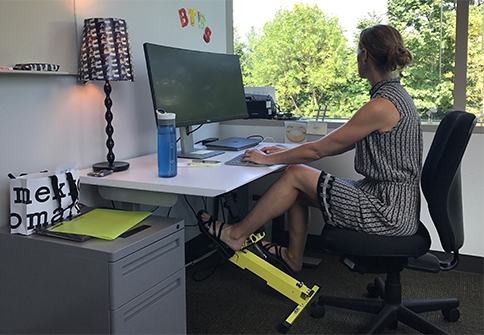
Making exercise easy with Excy
Excy removes a lot of the barriers to exercise (gyms, traffic, parking, time) that make it hard to commit. The device is compact, portable, multi-functional, and fun. You can use it in the comfort of your own home, you can take it with you when you travel, and you can get a full-body workout to improve muscle mass, put some healthy stress on your bones, and strengthen your core to improve your balance as all critical for women in midlife and menopause. Check out founder and CEO Michele Mehl’s how-to videos to get the most from your Excy. (BONUS: Use code “Gennev” to save an additional $50 on top of Excy’s existing holiday sale!)
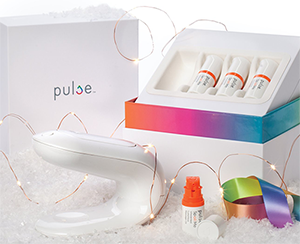
Massage oils & no-touch dispenser from Pulse
Want a really great holiday gift? We suggest you take a look at Pulse: we love the warming device that dispenses just the right amount of massage oil. One dispenser, a set of four Spoil Me pods, and a “coupon book” of your own design, and your special someone will have a very happy holiday season indeed. Or you can show that special someone this blog and hope they get the hint”¦ The luxurious massage oil can also be purchased in a six-pack and used manually, without the dispenser.
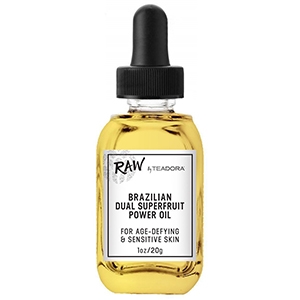
Skincare from Teadora
This company makes our list every year because not only are their products rich, luxurious, and effective, Teadora is completely committed to creating sustainable products. Their high-quality, fair-trade ingredients are organic, natural, and responsibly sourced. We love the Brazilian Superfruit Power Oil because its healing properties are great for mature skin. And it’s 100 percent fragrance-free, meaning the spicy, woodsy smell is totally natural to the plant the oil comes from.
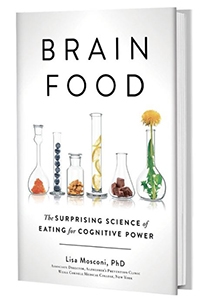
Your gray matter matters
If you’ve cruised our blog much, you’ll know we’re huge fans of this doc: neuroscientist, neuro-nutritionist, and author Dr. Lisa Mosconi. She’s spoken with our Gennev community several times, and every time we take away even more information on how to act now to protect our brains for the long haul. A researcher in the intersection of Alzheimer’s, estrogen, and menopause, she’s got some startling statistics (women account for 2/3 of Alzheimer’s diagnoses) and some truly great suggestions for mitigating your risk. We can’t recommend her book, Brain Food: the Surprising Science of Eating for Cognitive Power, highly enough.
Feel so much better
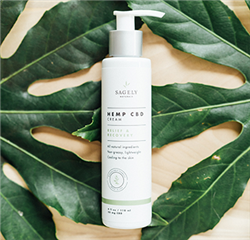
Body aches, headaches, hot flashes? Get some real relief with Sagely Naturals. This company has truly harnessed the healing power of hemp as without the high. CBD, a natural compound from hemp, goes right to the site of your poor, irritated nerve receptors, helping your body react better to pain signals. And for women dealing with menopause symptoms, quicker, more effective relief from pain is such a gift! We particularly like their Relief & Recovery Headache Roll-On, the Relief & Recovery Cream for whatever else ails you (as aging runners, we’re a huge fan of the joint and muscle pain relief!), and the cooling properties of the Relief & Recovery Spray. Yes, because the products are made with CBD, not THC, you can ship Sagely products all over the US, regardless of the destination state’s marijuana laws.
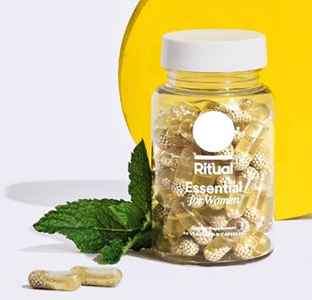
Make health part of your daily ritual
Try as we might to eat a healthy, balanced diet, chances are we may be missing a nutrient here and there. Fortunately, there’s Ritual. They’ve done their homework on what women really need as and what they’re likely to lack as and filled the gap. Beautifully. Their clear vitamins are obsessively researched for the cleanest, healthiest ingredients to help us have healthier hearts, immune systems, bones, brains, and more. If you’re taking a handful of supplements every day, you’re probably getting more than you need of some things and not enough of others. Check out Ritual for a more balanced, scientific approach.
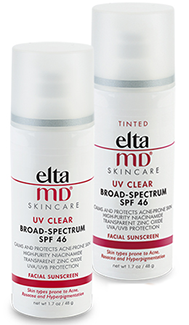
Enjoy the sun safely
Here in Seattle, especially in winter, if the sun pokes its head out, we’re out the door to soak it up while it lasts. Sunlight is a great and glorious thing: it’s the best source of vitamin D, a natural anti-depressant; it’s healing and good for your bones, but we also know too much sunlight can damage your skin to dangerous levels. So get your sun on, then get back inside and sunscreen up: Gennev CEO Jill really likes EltaMD UV Clear Broad-Spectrum SPF 46. Developed for sensitive skin, it’s great for daily use for anyone prone to skin issues and really great for women over 40.
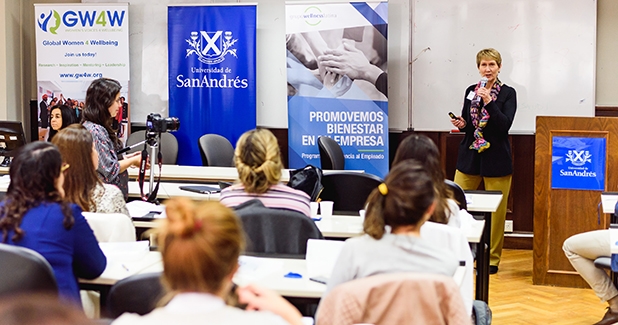
Give the gift of greater opportunities
Looking for a way to give back with your giving? The non-profit Global Women 4 Wellbeing (GW4W) is pretty much exactly what the title indicates: a global effort to promote the well being of women, their families, and their communities. GW4W supports research and initiatives that make education more accessible, train workplaces to be more diverse and inclusive, and draw attention to women’s issues worldwide, and that can make a better world for everyone. Gennev CEO Jill Angelo is a founding member of GW4W, and we’re proud to support their efforts.
What gifts are you giving or hoping for this holiday season? We’d love to know what’s on your list, so please comment here, find us on Facebook or in Midlife & Menopause Solutions, our Facebook group. You can also join us, anonymously, if you prefer, on our community forums.
Periods are difficult enough when they’re predictable and behave themselves. But as we enter perimenopause, they can get even more challenging. Nutrition Coach and awesome guest blogger Michelle Cartmel gives us tips to get through peri-PMS as sanity and relationships intact.
“Apologies in advance”
“¦ that’s the line I’ve adopted over the past year or two that I deliver to my husband right around the 23rd of each month. This is equal parts communication strategy and in-home damage control because PMS in my 40s has gotten bad, real bad, and my loved ones are often the victims of the worst of these symptoms, moodiness and rage.
I say, “honey, apologies in advance, but I’m going to need some space and forgiveness, and oh yes, a large ribeye, medium rare.” Can you feel me?
A typical PMS scenario:
You’re having a great day, everything is going swimmingly, but you suddenly run smack into a wall of suffering. Where the heck did that come from? I did not see that coming at all!
Things quickly go sideways, and simple things like not being able to open the packaging on a new bag of coffee turns into a massive crisis. And pity the fool who accidentally nudges your cart at the grocery store “¦ somehow you just barely contain your wrath and maintain your reputation.
Sound familiar? Feel like you might even be a tiny bit crazy? If so, I am sorry you are suffering. While “sorry” doesn’t make the pain go away, it might be validating to hear that you are normal, and there are ways to mitigate the suffering that don’t involve a prescription drug.
One of my favorite books, and what I deem required reading for women and their male counterparts is Moody Bitches, by Dr. Julie Holland, a psychiatrist, author and expert on drugs and the brain. This brilliant book takes a common sense look at female hormones and the effect that they have on us at different life stages.
What I love most is that Dr. Holland humanizes our so-called mood swings and provides the scientific explanation for why they occur. She actually encourages readers to look at this roller coaster ride of hormones we experience as a “natural source of power.”
That really resonated with me, because in the past I have felt powerless to these emotions. It motivated me to change my thinking, and, instead of wallowing in self pity, to actively manage through the feelings.
Help for PMS during perimenopause suggestions!
EAT WELL
Cravings are often an inherent part of a woman’s cycle, but they aren’t typically healthy ones. As a nutrition coach, my job is to help my clients steer clear of the cravings, but as a normal human being who cannot live without a steak or a burger during her period, I’m also a realist.
However, I’d like to remind you that healthy, whole foods are powerful medicine. By consistently eating a diet rich in fruits, vegetables and lean proteins, you can actually enhance your mood. Moreover, knowing which healthy foods to eat more of during your time of the month can make you feel that much stronger in the battle against PMS.
For example, foods with omega-3 fatty acids can boost your mood, and according to research from Harvard-affiliated McLean Hospital, omega-3s are so powerful, they may even function like an antidepressant. Some great examples of foods high in omega-3s are salmon, albacore tuna, walnuts, eggs, chia seeds and flax seeds.
So, if you’re going to succumb to your cravings, do it sparingly. A diet high in processed, sugary foods can actually make a bad mood feel even worse, as the crash you experience after the initial high can really burn.
SUPPLEMENT FOR PMS
Supplement your healthy diet with herbal support and vitamins that can help regulate your mood. In addition to your multi-vitamin, consider adding magnesium, calcium citrate or Vitamin B6 to your repertoire. According to Dr. Mark Hyman, these are supplement superstars and can help ease PMS symptoms by improving metabolic function and hormone metabolism.
Adaptogenic herbs like black cohosh, St. John’s Wort and chasteberry are also known to be effective at treating PMS symptoms. Consult your doctor or naturopath for dosage recommendations.
ADD ACUPUNCTURE
Add acupuncture into the mix. According to Seattle-based acupuncturist Annie Robbins, the primary reason for PMS is an imbalance or fluctuation in hormone levels, and acupuncture treatments work to restore that balance. According to Chinese medicine, PMS symptoms prior to the period are caused by imbalances with the spleen, and symptoms during your period indicate imbalance with the liver.
An acupuncturist works with each patient to create an individualized treatment plan to address their unique symptoms, both physical and emotional. The results can actually alter brain chemistry levels and produce endorphins and serotonin.
Hormonal health is just as important as any other aspect of our health, and we need to nurture it in order to maintain our overall well-being. While there are not any known cures for PMS, there are simple, effective ways to tackle it.
In addition to the above-mentioned suggestions, be kind to yourself when PMS brings you down. Rest, drink lots of water, and make sure you’ve got a solid PMS communication strategy in place. Your family will thank you for it.
Cheers to your health,
Michelle
If PMS, peri or otherwise, impacts your life, we’d love to hear how you handle it. Leave a comment below, or on Facebook, or join our closed Facebook group! To read more great information from Michelle, check out her other blogs on Saying goodbye to sugar, Combating cancer with the clean-plate club, and Making friends with healthy fats.
February is Heart Health Month, and we’re very grateful to have some expert wisdom on the subject from Dr. Sarah Speck. Dr. Speck has practiced cardiology and internal medicine in the greater Seattle area for over 20 years. She is the medical director of the cardiac wellness and rehabilitation programs at the Swedish Heart and Vascular Institute in Seattle. In 2009, she co-founded POTENTRx, a medical fitness company, to offer patients a medically-supervised lifestyle approach to their health.

We were very pleased to have her on the roster for the M event, our one-day menopause conference, where she spoke on heart health and the increased risk of heart disease post-menopause. For a limited time, we’re offering readers the opportunity to watch her presentation from the M event.
In the article below, Dr. Speck discusses some of the risk factors that increase a woman’s chances of developing heart disease, but take heart! (ha ha) as there is a lot of hope to be had in making the right choices now.
Women and Heart Disease
As one of the first woman cardiologists to practice in the Seattle area, I’m often asked to speak to women about their risk of developing heart disease. Heart disease remains the biggest challenge to women’s health as more women die of heart disease and stroke than any other cause.
At the age of 45, one in nine women will have some form of heart disease, and by the age of 65, that will increase to one in three.
The encouraging news in 2019 is that heart disease is largely preventable if we can identify and pay attention to the management of certain risk factors that have been strongly associated with developing heart disease or strokes. For both men and women these include family history, high blood pressure, abnormalities in cholesterol, exposure to tobacco smoke, diabetes, being overweight, stress and being physically inactive.
For women, menopause signals a time when high blood pressure, weight gain, abnormalities in cholesterol and prediabetes or diabetes can seemingly “just happen” the further we get away from producing our own natural estrogen. Certainly then menopause is a risk factor for women, but NOW science is also telling us about other risk factors unique to women.
Talk to a menopause specialist from the comfort of your own home, via Gennev’s telehealth.
Book your appointment today.
Studies in 2018 showed that women who experienced hypertension or preeclampsia during pregnancy are 4-6 times more likely to develop hypertension later in life. They have a 70% increased risk of type 2 diabetes and have signs of heart disease earlier in life than women without hypertension during pregnancy.
Women with gestational diabetes are also more likely to develop diabetes and hypertension decades after pregnancy and so increase their individual risk of heart disease or stroke.
Postpartum depression or menopause-related depression can increase a woman’s risk for heart disease as can radiation treatment associated with breast cancer.
Recognizing that you may have some of these risk factors is an opportunity to use your lifestyle choices to prevent you from having a heart attack or stroke. Work with your health care provider and start building your own robust health portfolio today!
Sarah M Speck MD MPH FACC
Learn more about Dr. Sarah Speck and POTENTrx on the Speck Health website. Hear our earlier podcast with Dr. Speck on how to “manage, reverse, and prevent heart disease.”
Are you concerned about heart disease and are you taking steps to increase your heart health? We’d love to hear what you’re doing! Join the conversation on heart health in the community forums, let us know your thoughts on our Facebook page or in Midlife & Menopause Solutions, our closed Facebook group.
This post was originally published on PRiME WOMEN as “Designing for Dementia: 5 Tips for Moving Your Loved One In” by Lisa Bobulinski Bixler. We republish it here, with permission.
As we settle into this “wiser” chapter of life, there’s much to celebrateaslike stronger sense of self, more freedom and flexibility with our time to do the things we enjoy, and greater financial security to name a few. On the other hand, this is also the time that we may start to notice cognitive changes in our aging parents that make us realize it’s not a good idea for them to be living independently anymore. For many people, the best solution seems to be having their family member move in with them. Comments like, “My house is big enough,” or “I’ll be able to keep a closer eye on them this way,” or “They’ll be much happier around family than in some facility,” are frequently heard, and although these statements may be true, many people don’t consider if their home is ready to actually handle the scenarios and challenges that occur with memory-related illnesses.
One thing I have personally learned about this type of illness is that no two cases are exactly alike, so following the recommendations of your loved one’s health care team is important when caring for someone with dementia. In addition, here are a few suggestions that may help when thinking about how to prepare your home:
1. Make it familiar
Generally speaking, if your home has a completely different feel than what they are used to, it can be more confusing and difficult for them to adapt to their new environment. When caring for someone with dementia, it helps the adjustment go more smoothly if at least some of the spaces and adjacencies are similar. Incorporating some of their favorite furnishings or possessions can also ease anxiety. Provide eye level storage in their closet so they can locate their belongings more easily, since they may have a harder time looking up or down. How’s your lighting? Minimize the use of reflective surfaces and light fixtures that produce glare, as that tends to increase agitation. Aim for even levels of light throughout the house.
2. Make it connected
Provide easy access to areas or activities they enjoyase.g. backyard garden, family room, etc., so they can move independently as long as possible and still be involved in “normal” family life rather than being socially isolated. Studies have shown that remaining active and engaged can even improve brain function.
Protect your brain by feeding it the right nutrition. Hear our podcast with neuroscientist and neuro-nutritionist Dr. Lisa Mosconi.
3. Make it safe
When caring for someone with dementia, think of it as if you now have a very tall toddler in the house. As their condition changes, create higher level and/or secure storage and move sharp utensils, cleaning supplies, medicines, tools and other potentially dangerous objects out of reach. Pay extra attention to areas like garage, basement, work rooms, and outdoor spaces. You may need to relocate or hide switches to appliances like the garbage disposal, microwave and stove, as well as any connections to the outdoor gas grill.
4. Make it secure
Position exterior dead bolts higher or lower than normal height so they are less likely to wander out the door, and position locks on fence gates higher or lower than normal height so they are less likely to wander out of the yard. (Again, this is because it can be difficult for those with cognitive illnesses to look up or down.) Equally important, remove locks from any interior doors so they can’t accidentally lock themselves in.
5. Make it supportive
Consider what would be helpful for caregivers and family members living in the home. Is there a bathroom with a walk-in shower, wide enough for a caregiver and possible medical equipment to fit? The Invisia line of bathroom accessories is wonderfulasit blends style and safety to “invisibly” provide necessary support without making your home look like a hospital.
If your home doesn’t have a separate bedroom close to theirs for a future in-home or overnight caregiver, is there an office or other space that could be converted if the need arises? Is there a bedroom farther away so other family members have fewer sleep disruptions when the caregiver gets up during the night? Disorientation, general confusion, hallucinations and bathroom issues are common as cognitive illnesses progress. Research local options for adult day care programs or the various types of in-home assistance. These can come in handy when caring for someone with dementia, even if just needed occasionally.
Regardless of the configuration of your home, by communicating regularly with other family members, your medical team, and local support groups, you will be able to closely monitor the situation and determine specific ways to adapt your environment to best address the needs that arise while you are caring for a loved one with dementia.
Are you the caregiver for an elderly relative? How are you making it work? We’d love to hear more about how you and your family are managing, so please feel free to share with the community by leaving us a comment below, or talking to us on our Facebook page or in Midlife & Menopause Solutions, our closed Facebook group.