In this podcast, Jill had the opportunity to talk with Dr. Angela Jones, award-winning ob/gyn, media professional, and author. She’s delivered thousands of babies and answered hundreds of thousands of questions on every aspect of her profession. From menses (first period) to menopause and beyond, Dr. Angela has the answers, so we jumped on the chance to ask “Menopause 101″ questions we have and have heard from you.
Introduction Into Menopause With An Award-winning OB/GYN
If you’re not always entirely sure what’s going on with your body, if you’re concerned what you’re going through isn’t “normal,” or if you want to be ready for what might lie ahead, Dr. Angela has guidance, reassurance, and answers for all.
2:04
One question we hear a lot is, what exactly is the difference between “perimenopause” and “menopause”? Dr. Angela gives us the lowdown on the definitions, what women might experience during these phases, and how to get a ballpark idea of how long the process might take for you.
4:06
So what exactly is going on in our bodies during these phases? Dr. Angela fills us in on the science of what’s going on in there.
5:10
Because the experience of menopause is still such a taboo subject, women don’t always know if what’s happening to them is “normal.” We asked Dr. Angela what we should know to take care of ourselves correctly.
6:26
Dr. Angela speaks specifically to the question of thyroid disorders, the symptoms of which can be mistaken for symptoms of perimenopause.
7:04
As we age, we may need to do a little more “maintenance” to stay healthy and vibrant. Dr. Angela talks us through some of the tests we should do or do more often as we get older to ensure we’re in the best of health.
8:30
Dr. Angela gives her recommendations on “lifestyle modifications” and why these can act as preventative medicine. As she says, the right diet and exercise will take you a long way.
12:08
When we hit our 40s, is it time to change up our birth control? First things first: “If you don’t want to get pregnant, you need to be doing something!” But you do need to be sure your birth control is right for you, and Dr. Angela gives some tips on how to move forward.
15:20
Low-dose hormonal birth control can have other benefits for the over 40s in addition to avoiding pregnancy, and Dr. Angela fills us in on how birth control can help alleviate or moderate perimenopausal symptoms.
17:20
We asked Dr. Angela to “coach” us on how to talk to our doctors, what information we need to have ready when we walk into our appointments, and what questions we should ask. Because women are often embarrassed to talk about their bodies, even with their ob/gyn, Dr. Angela has some best practices for getting the information you need.
21:40
Why is there so much shame and embarrassment about this completely normal phase of life? “I have no idea!” Dr. Angela says, but she offers some ways we might move forward to celebrate this time of our lives rather than dread it.
25:12
How does Dr. Angela feel about using supplements or other methods to manage menopause symptoms? While our doc adheres pretty firmly to ACOG (American Congress of Obstetricians and Gynecologists) standards, she says, “Go for it!” to patients who want to try acupuncture, black cohosh, or other alternative treatments. However, Dr. Angela does want anyone trying something new to follow important guidelines, which she outlines for us.
28:10
Need to find a new ob/gyn? Dr. Angela gives her insights on how to find a doc who’s current, certified, and reliable.
30:15
Dr. Angela offers her concluding thoughts about how to thrive during menopause. As she told us, “Aging doesn’t scare me, and it shouldn’t scare women. Women should be embracing the aging process.” Like a bottle of fine wine, Dr. Angela says, we’re just getting better.
What questions do you have for Dr. Angela? Add them to the comments below, or give us a shout out on Facebook or Twitter, and we’ll get them in front of her! You can also learn more from Dr. Angela by checking out her “SAY WHAT” blog and podcasts at askdrangela.com.
Never miss an episode from Gennev, subscribe to our feed on iTunes, Stitcher, or SoundCloud.
Women are not new to regular hormonal changes and their accompanying effects on the skin. By the time you’re in your mid-20s, collagen production starts to decrease. This can bring about a multitude of skin concerns such as the appearance of fine lines, dryness of the skin, hormonal dark spots/melasma, and more.
Unfortunately, collagen decreases even more after you reach menopause. It begins roughly one year after your last period and can bring with it some skin changes you may not be used to. Hormone levels will plummet, and you may notice that skin on your face gets dryer, duller, and thinner. You may also experience thinning of hair on your scalp but an increase in facial hair in menopause. Which makes menopause skin care that much more important.
It’s critical to understand what your body is going through during this time to maintain a youthful and healthy glow for your skin. With the right care, it’s possible to keep your skin in tip-top shape and lessen the effects of menopause.
If you need a doctor’s recommendation for skincare, a Gennev menopause-certified gynecologist can give you a trusted opinion, determine if medication is right for you, and they can provide prescription support. Book an appointment with a doctor here.
How to Care for Your Skin During and After Menopause
Invest in sunscreen
No matter what your age is, sunscreen should always be a priority in your skincare routine. But once you’re in menopause, the skin is more prone to showing age spots and discoloration. Once you get these spots, it might be trickier to correct, so it’s better to err on the side of prevention. Make sure to choose sunblock with broad spectrum UVA and UVB protection and an SPF of at least 30.
Also, here’s an important thing to remember: Layering two products with SPF 15 doesn’t add up to SPF 30! You’re better off with one product anyway, as some products react with the ingredients of others when mixed.
Cleanse with a moisturizing facial wash
With age, the skin loses some of its capability to retain hydration and moisture, which could lead to itchiness and unexpected menopause acne breakouts. Choosing a moisturizing cleanser or getting into oil cleansing will be better in restoring the softness and smoothness of the skin. Soaps may be too drying, so go to great lengths to invest in a product that can deliver the moisture your skin needs. Try hunting for glycerin in the ingredients list, as this helps in increasing the water retention of the skin.
Look for products with hyaluronic acid
One of the side effects of menopause is the loss of moisture of the skin. This can lead to dryness and roughness, and wrinkles might start to develop at a quicker rate. Products with hyaluronic acid should help with this. This ingredient is commonly found in serums and moisturizers. Invest and incorporate them into your skincare routine. Apply twice daily, and you’ll notice significant improvements in your skin after regular use.
Switch to gentle exfoliation methods
If you were used to abrasive exfoliants before, it’s time to put them down. As mentioned, skin gets thinner during menopause, so the use of harsh, chemical-based products and exfoliators may irritate the skin or cause it to tear or bleed. This is still a necessary step in your skincare routine since it can remove dead skin cells and clear pores. Exfoliation also stimulates blood circulation in the face, encouraging cell regeneration.
Get screened for skin cancer
In menopause, the risk of skin cancer increases. It’s critical to have a dermatologist who can run tests for you to ensure that you have no pre-cancerous growths and other skin conditions you must correct. You should also ask the doctor how often you should come for screening tests so that you can be regularly updated with your skin health.
Healthy Skin Starts Today
If you still have time before menopause kicks in, it’s never a bad idea to start with your preventive regimen right away. After all, caring for menopausal skin is similar to how it was when you were in your 20s and 30s”it’s all about finding the right products that fit your skin type and what addresses your concerns the best.
If you’re already in menopause, don’t fret. You can seamlessly incorporate these tips into your current skincare routine. It will also help if you have a dermatologist who understands the female hormonal changes to your skin, so that he or she may prescribe other topical products for specific skin concerns such as the growth of facial hair or the prominence of wrinkles. When in doubt, don’t be afraid to consult!
What is your skin-care routine like? Are you a products person, or more of a soap-and-go? Come talk with us (and invite other women!) on our Facebook page, or in Midlife & Menopause Solutions, our closed Facebook group.
“
Dry eyes and menopause: yes, there’s a link.
Now that many of us are in the thick of allergy season, it may be hard to differentiate itchy, burning eyes due to pollens and itchy, burning eyes due to other causes.
But if your gritty, blurry eyes are year-“rounders now, you may be dealing with Dry Eye Disease, or DED. Twice as common in women over 50 than it is in men of the same age, keratoconjunctivitis sicca is a symptom to not ignore.
If you are a woman suffering from dry eyes, a Gennev menopause-certified gynecologist can give you a trusted opinion, determine if medication is right for you, and they can provide prescription support. Book an appointment with a doctor here.
What is Dry Eye Disease?*
According to the National Eye Institute, dry eye is when your body doesn’t make enough tears, or when your eyes make the wrong kind of tears or tear film. Tears have three layers: oily, watery, and mucus. The oily on the outside (farthest from your eye) keeps the tear from drying too fast. The middle watery layer keeps eyes clean from dust, lashes, pet hair, and all that other stuff that seems to find its way to our eyeballs. Finally, the mucus layer on the inside keeps eyes moist. If normal production of one or more of these layers is disrupted, that can result in DED.
What causes dry eyes in menopause?
Like so many bits of the body that are moist, production of that moisture in the eyes depends in large part on the sex hormones estrogen and testosterone. As these hormones decline with menopause, so does the lubrication.
There are other causes of Dry Eye Disease, so if you believe you may be suffering DED, it’s a good idea to (a) check that there’s not a more serious underlying cause, and (b) avoid those factors that are within your control.
- Medications such as hormone replacement therapy (HRT), antihistamines, blood pressure meds, antidepressants, birth control pills, and decongestants can contribute to dry eye.
- People who have had laser eye surgery report a higher incidence of DED development.
- Those with autoimmune diseases such as rheumatoid arthritis, diabetes, Sjogren’s Syndrome, lupus, scleroderma, and some thyroid disorders are more likely to develop DED symptoms.
- Environmental factors are big contributors: smoke, wind, not giving your eyes relief from screens, a dry climate, even not blinking enough.
How do I know if I have Dry Eye Disease or normal irritation?
Those suffering DED usually have chronic stinging and burning. You may have blurred vision that’s briefly relieved by blinking, or feel like you have something in your eye. Your eyes are painful, red, gritty, and easily irritated by smoke or wind, and wearing contacts is painful or impossible. Oddly, if your eyes are generating excessive tears, that’s also a symptom of dry eye, as your body attempts to compensate for tears that aren’t the right consistency or that evaporate too fast. You may also experience sensitivity to light and impaired night vision.
If this sounds familiar, and it’s long-term and not associated with irritants like seasonal allergies, you should definitely get to an eye doctor for help. Leaving DED untreated can cause damage to the front of the eye, leave your eye more vulnerable to infection, and impair your vision.
Dry Eye diagnosis should be done by a licensed professional. An optometrist may want to add some dyed drops in your eyes to check if tear flow is normal and if there’s any damage to the eye already. The doc will check your eye to make sure the lid doesn’t turn outward or inward (both can cause dry eye) and to evaluate (my favorite medical term of all time) your ” blink dynamics” (if you’re blinking often enough).
Is there anything I can do about Dry Eyes and Menopause?
There are lots of things you can do about your dry eyes, including both lifestyle and environmental changes. For more serious cases, there are treatments by a health care practitioner that can relieve symptoms and head off long-term damage.
Ways to control your environment and reduce irritants
- Get a humidifier. In dry climates and over the winter, these can be a huge help by adding moisture to the air. If you’re in a dry place and can’t add a humidifier (like an airplane), be sure to close your eyes a lot and for a few minutes at a time. Make sure that airplane fan is tilted to hit the top or back of your head as you want to minimize air flow directly into your eyes.
- Cover your eyes. When you’re out and about, particularly in a windy place or on a bike, find wraparound sunglasses that protect your eyes completely. Hey, wraparounds are cool.
- Give your eyes a break. If you’ve been reading or focused on your screen a while, close your eyes. Blink. A lot. Try to remember to do this every few minutes, as we tend to blink less when focused on close-up tasks. Mayo Clinic says to lower your screen a little; looking down means your eyes aren’t as wide open.
- Stop smoking. Avoid others who smoke, at least while they’re actually smoking.
- Use eye drops. Unless you have a sensitivity to the preservatives in eye drops, you should be OK to use them as much as you need, even when your eyes seem OK.
- Adding omega-3 and omega-6s (try our women’s omega-3 supplement!) to your diet might help improve the situation: think flaxseeds, fatty fish, and some vegetable oils.
- Drink plenty of plain, still, unflavored, un-bubblied water.
- Wash your eyes gently with a very mild soap and warm water to make sure there’s nothing blocking the flow of oil to your eye.
Treatments for dry eye
If your dry eye is mild or moderate, over-the-counter eye drops may be enough to control your symptoms. For more severe cases, docs may recommend antibiotics to reduce inflammation, prescription eyedrops, eye inserts that release a lubricant, plugs to block tear ducts and keep tears in your eyes longer, light therapy and eyelid massage, or special contacts called “scleral” lenses that trap moisture next to the eye.
Yes, drier eyes may be part of getting older, but like so many things, you don’t have to just put up with the reduced quality of life. An eye doctor can diagnose the issue and get you set up to control the symptoms and avoid long-term damage.
*As always, these blogs are not intended as a self-diagnosis tool and should never be used to replace care by a licensed health care professional. If you think you have Dry Eye Disease, or any other serious medical condition, schedule a visit with your doctor.
How does menopause change, even disrupt, your gut microbiome, and what effects does that have on your health? Is there a way to build, protect, and maintain your gut health flora to make the menopause transition easier?
We were so excited to invite back surgeon and gut expert Dr. Erika La Vella to talk with us on the microbiome in menopause.
TRANSCRIPT TO FOLLOW
How’s your gut? If you’ve had gut issues (and particularly if you’ve fixed them), we’d love to know about it. Please share with us on the Gennev community forums!
Do you ever feel like there ought to be “¦ I don’t know “¦ more? You’re a high-achieving woman as great at your job and “successful” by modern measures as but you still feel like something’s missing, there’s something you haven’t accomplished yet.
Welcome to midlife.
A Conversation With Dr. Barbara Mark
It’s ME time! Women in their 40s and beyond often experience a pretty fundamental shift: it’s time to stop worrying what others think of me and concentrate on how I feel about myself, my place, my work, my creative side, my spiritual soul.
Great! Also “¦ dangerous. Frustration with finding yourself where you don’t want to be can lead to impulsive decisions.
How do you honor that part of yourself that’s ready for new challenges and new horizons without disrupting everything you’ve worked so hard to achieve?
Dr. Barbara Mark has some very good ideas for you. Dr. Mark is an elite leadership, career, and life strategies coach, advisor, and confidant to senior executive women. Trained in clinical psychology, Dr. Mark has great insights into human thought and how thought translates into action (or inaction). She focuses on working women in midlife, helping her clients find clarity during an often very challenging time.
We had a few questions for her. Listen in for her very good advice on discovering your rich, fulfilling midlife.
1:12 as What is an “executive coach”?
Executive coaches provide the opportunity for their clients to accelerate in their performance, Dr. Mark tells us: develop team rapport, increase confidence, develop work/life balance. And because her clients are women in midlife, they’re assessing where they are and deciding if they need help with impulse control
2:52 as Why did you choose to work with women in midlife in particular?
Dr. Mark says she has a lifelong passion for adult development, and women at this stage and interesting, powerful, and often impulsive, which makes them fascinating clients and people.
3:58 as What makes midlife “prime”?
Midlife can be a rich, exciting time, says Dr. Mark. Priorities are shifting, women are changing to be more “me-focused” and looking for new opportunities.
(Midlife really IS primetime, says author Juju Hook. Check out our review of Hot Flashes, Carpools, and Dirty Martinis)
5:18 as What’s at the root of wanting change at this time of our lives?
Dr. Mark says midlife is a developmental moment that happens. We start turning away from worrying about other people’s thoughts, opinions, and expectations to take a deep dive into “who do I want to be?”
7:07 as Is there a link between this change and societal expectations at this point in our lives?
Yes, says Dr. Mark, because finally we get a chance to look inward and observe how expectations affect us. But in addition, the developmental stages of adulthood also have an impact on both women and men.
8:34 as “Developmental stages of adulthood”? Do tell!
Listen in and find out! According to Dr. Mark these stages start in the 30s for both men and women and stick with us for many years. But what does it mean to “be out of sight of land” “¦ ?
11:17 as How does the workplace add another dimension to all this transition?
The workplace has it’s own demands, and in midlife, there are a lot of new decisions to make: Am I still in the right place? Or am I done and ready to move on?
(what’s it like to have menopause in the workplace? Anne Loehr talks risks and rewards of “coming out” as menopausal)
11:52 as Tell us more about the creativity that comes with midlife?
Says Dr. Mark, midlife is a moment where we’re left alone with ourselves, a time of deepening our connection with our inner selves. We’re often inspired to find ways to express our experience of that process and the woman we discover.
13:51 as Do women find new (and unexpected) ways to express themselves creatively?
Absolutely, Dr. Mark tells us; women in this time often find themselves more open to new avenues of expression, trying on lots of possibilities.
15:43 as How do you help women deal with the regimen and competitiveness of the workplace and still come into their own?
That depends on the age of the woman and where she is in her career, says Dr. Mark. Younger women are still building their career and reputation and looking for ways to participate that feel authentic. More mature women who have visibility and influence are asking, do I use my power to initiate something meaningful that’s wholly mine within my business? Do I start looking outside work for fulfillment? Or am I done here and ready to move on?
18:31 as Tell us more about impulse control.
In the midst of perimenopause, emotions can be a little heightened, and frustrations with life may lead to making hasty decisions. Some women need help understanding the impulses driving them so they can make the right choices.
20:27 as Is a desire for change pervasive among women at this time of life?
Oh, yes, Dr. Mark tells us. Women are different in how they show their restlessness and impulsiveness, but it is common.
22:40 as What are some things women need to watch for or be aware of in themselves?
According to Dr. Mark, to avoid over-hasty decisions, we should try to tune into our moods daily: how’s our satisfaction, our tolerance of life’s little frustrations?
Midlife can be a wonderful, freeing time as a chance to finally pursue your passions, old and new. Get the best, most fulfilling midlife you can have by entering into this time awake and aware of all the changes happening in your body, spirit, and life. For some, that may mean taking up poetry or pottery or dance; for others, it may mean launching a new initiative to take their workplace by storm. If you’re not sure which path looks right to you, a coach like Dr. Mark may help you sort out your priorities and move forward with confidence.
If you’ve made changes after 40, we’d love to hear the story. Please share in the comments below, on Gennev’s Facebook page, or in Midlife & Menopause Solutions, our closed Facebook group.
“Fess up: How many times have you tried to read the same paragraph, only to find yourself staring at nothing, mind blank, unable to focus all the way to the end?
Foggy brain and general lack of concentration are common complaints in perimenopause and menopause. We used to be able to shut the world out for long periods and focus on the task (or tasks!) at hand, but suddenly we’re having to yank our attention back from outer space every few minutes and we’re frustrated about it.
Or we’re scared this may be a sign of worse things to come.
What causes a lack of concentration in perimenopause & menopause?
According to Dr. Lisa Mosconi, neuroscientist, neuro-nutritionist, and author of Brain Food, estrogen is a “master regulator.” It regulates your brain, pushing it to burn glucose to make energy. As estrogen declines in perimenopause, the brain doesn’t work as hard, so energy levels in the brain decline.
The result? “Foggy” brain, compromised short-term memory, and difficulty concentrating.
Other issues can also contribute to this concentration challenge: your sleep may not be as restful due to night sweats, anxiety, or insomnia. Maybe your life is more crowded with teenage kids, aging parents, greater responsibility at work, and shifts in your intimate relationships. Plus, when we’re feeling limp, we may not be as rigorous about healthy diet and frequent exercise, which can lead to us feeling even more de-energized and out of focus.
Is it menopause or are these early signs of dementia?
While dementia and Alzheimer’s disease are legitimate concerns, forgetting a few words or drifting away mid-conversation are normal occurrences in perimenopause and menopause.
According to Healthline, occasionally struggling to remember the right word or someone’s name or temporarily misplacing your keys are a normal part of aging and menopause. However, showing poor judgment or decision-making, having confusion about time and place, experiencing difficulty with visual images or depth perception, finding it hard to carry on a normal conversation, or demonstrating lasting personality changes may indicate a more serious problem and should be discussed with a doctor.
For those who have “meno-brain,” until your brain is able to adapt to your new normal in terms of estrogen levels, there are a few things you can do to minimize the impact on your work and life:
Eat your estrogens, water your brain
As Dr. Mosconi tells us, some foods have naturally occurring phytoestrogens in them which can help prop up the diminishing estrogen from our bodies. Try to include in your diet foods like flaxseeds, soy, chickpeas, sesame seeds; fruits such as peaches, strawberries, and oranges; dried fruits; veggies including yams, carrots, and kale; lentils, peas, and other legumes; herbs like turmeric and sage. And of course, feed your brain by drinking good water.
Eliminate distractions
When you’re trying to get something done and you find you tend to focus on fretting about other things instead, write down the things that are bothering you. You can get to them later; you won’t forget, you’ve got them on paper. Then push the paper aside for now.
Turn off anything that tugs at your attention: TV, music, social media. Hide your phone and other distracting devices in a drawer or anther room. Put your notifications on “DND” or night mode. You really don’t need to know that you have 11 app updates or that your tires are due for a rotation right now.
Neutral white noise may help you concentrate, so consider turning on an e-thunderstorm or electric ocean waves.
Stay present
Part of the problem of lack of focus is we’re constantly being taken away from the present moment. Instead of engaging in that article we’re reading, we’re thinking about dinner or paying bills or what a co-worker said to us earlier. But staying present to improve concentration is a skill we can learn and improve on, according to IQMatrix. Pause right now and look around you. If you’re in a familiar environment, is anything different, new, out of place, missing? Notice the fine details: not just the colors but also the textures; not just the sights but also the sounds.
As IQMatrix writer Adam Sicinski puts it, “One of the best ways to improve your concentration is to practice observing the details of your surroundings.”
Make lists
Some of us resist making lists, fearing we may become “dependent” on them, but in fact, the simple act of writing something down is a memory aid in itself. And having a list may take some of the emotion out of the situation as if we aren’t stressing about that feeling that there’s something really important that we forgot to do, we’re better able to concentrate.
Practice concentration
Your brain is like a muscle as it needs to practice certain skills to stay strong. You can practice focus by remembering details. IQMatrix suggests thinking about a recent event in your life. Try to remember everything you can: the weather, what you were wearing, who was with you, what was said, the sights and sounds and smells. The more detail you can pull in, the higher the level of concentration you’re “exercising.”
Doodle
Remember that teacher in high school who yelled at you for doodling in algebra? Turns out, as long as you weren’t doodling in your text book, you were doing a good thing for your concentration. Even Harvard isn’t entirely sure why it works, but if you’re trying to take in a lot of information, giving your brain “permission to draw” may give it enough of a break to allow more information in. Or, if you’re a terrible doodler, you can try your hand at juggling“¦.
Get a plant
Yeah, that’s what we thought too, but apparently it works. House (or office) plants detox the air, calm us down, and actually help us improve focus and concentration by as much as 15 percent. And you thought leafy greens were only good for eating”¦
When is it time to talk to a doctor?*
If symptoms start to interfere with your life or worse, endanger your safety, it’s time to seek medical attention. A few false starts looking for the right word or being late to work because your keys were in the freezer and Sunday lunch is thawing in your purse may be frustrating, but for the most part, small, temporary lapses are normal. However, if you’re having headaches, difficulty seeing or speaking, lasting confusion, or sudden weakness, get professional help right away.
So”¦ did you make it to the end? Congratulations! If you have concentration problems or solutions, we’d love for you to share with the Genneve community. Leave a comment below, or let us know on Facebook or in Midlife & Menopause Solutions, our closed Facebook group.
*As always, the information in this blog is for educational purposes only and should never be considered a replacement for expert care by a health care professional. If you think you may be suffering serious neurological issues, please see a doctor ASAP.
Navigating through a long game like menopause can be tricky. This is a new skill to hone and practice, especially in our modern sprint-oriented, get-things-done-now world.
Exciting? Yes. Changes of all kinds can get the adrenaline going in a body.
Exasperating? Exhausting?
Yes, at times.
And, for those of you who’ve felt like this month has been one long hot flash, you’re not alone. There are myriad changes happening in the perimenopausal, menopausal, and post-menopausal woman’s body and none of them have ever really been on a person’s Top 10 list of fun things. Still, there are ways to go through this, and every way starts with your choice. Your power. Your next step. And even your next thought.
Acceptance
Immensely helpful is the split second between awareness and acceptance of what’s going on in your body or your life. There’s a choice that lies in that split second: “Yes, I accept it,” or “No.”
A “no” can translate to: I don’t want it, don’t believe it, can’t handle it, or am not going to deal with it. There’s nothing wrong with “no.”
We may give ourselves some time to hang out in no-land. It’s perfectly fine to have a bit of a layover there, but adopting resistance and denial may be setting us up for more stress in the long run. It’s the resistance that yields more stress and takes more of our energy, and can actually throw our equilibrium systems out of whack.
Acceptance can reduce the chance that feelings will return again. Let’s take menopause rage as an example. Let’s say you get cut off in traffic, and you’re already late for a spin class you really love. The person who cut you off also flips you off. And you see red. The words or thoughts might include,”Now I’m PO’d,” in addition to a few expletives. Saying it out loud, owning the feeling, gives you a measure of control over it.
Now, if it happens again, you may find it easier to claim the feeling of rage and still drive safely, rather than have the experiences “ and feelings “ compound.
And when we’re ready, even if we’re not thrilled, we can move to “Yes, I accept that I am in menopause,” or “Yes, I need more rest since I’m up at all hours with night sweats.”
Acceptance will move us to the next action, prompt the next question and choice. Not to mention, it will give us new info about ourselves, help forge healthier relationships, and allow us to retain more energy.
Perspective (or perhaps mindset) are critical players in sustaining your energy and sense of humor through the ongoing uncertainty of change that is happening right now in both your body and your life.
No one knows what’s coming next, but so much of it feels like it’s coming fast. How does a person cultivate and keep a positive perspective without getting overwhelmed?
It’s not easy, but it is a simple practice.
One of the very first things to do is to get into acceptance. Why? Getting to acceptance of a circumstance, situation, or feeling means you are moving toward a solution, choice, or next step.
Words for the long game
Awareness usually isn’t the issue regarding menopausal symptoms. You’re likely super-aware of when you’re having a hot flash, feeling instant anger or rage that is out of the ordinary, and other common symptoms.
Acceptance can be a more subtle state to enter into. How do you do it? One way is to say what’s happening out loud: “This is happening,” or, “I feel this.” Another option: “Looks like this just happened” (or is happening).
Hearing it while saying it to yourself (even a whisper) makes whatever it is more real. In using these words, you are stating it positively, even if it’s not awesome.
Writing it down can also make acceptance an immediate thing. If writing or journaling isn’t your thing, consider using a voice recording app on your phone to “get it out” in a private moment. Again, you may not like what’s happening or how you are feeling, but in order to get to solutions and actions, stating and accepting what is actually happening is important.
One thing that may help is adding context. A phrase that incorporates significant details might be, “I live in a world where my bladder seems to have her own clock, brain, and pee agenda”¦ especially in the most important meeting of the week.”
Fun? No.
Funny?”¦ Well, it might be too soon for “funny” when you’re right in the middle of it.
Real? You bet.
Okay, so, it feels like crap, is there an upside or benefit to this acceptance thing?
According to psychologist Marsha Linehan, creator of Dialectical Behavioral Therapy, there are 4 responses we can have to any situation: we can 1. leave it, 2. change it, 3. accept it, or 4. stay miserable.
We can’t leave menopause or change the way our bodies are transforming, so we can accept what’s happening or stay miserable. Feel free to shout out some choice curse words for both 3 and 4.
What if acceptance could make it easier to get through a hot flash?
Have you tried it? All it takes is a, “Yep, that’s happening.” Some women share that acceptance makes it easier to get through a hot flash, and this may also reduce the chances of having another hot flash immediately after.
Does it feel better or easier for you, now that you’ve tried it?
You don’t have to accept all of them, just the next one. Maybe?
Tough times
When situations arise that feel like too much for you to handle, accept, or even comprehend, there are a couple of things to keep in mind:
- Support is available: Trusted friends and family, members of your care team like your doc (and ours) and any recommendations or referrals they might make. Other areas of support could look like meetups, events, support groups, perhaps even introductions from a trusted friend to someone they know who has experience in what you’re going through. Counseling, psychotherapy, coaching, or treatments in massage or acupuncture may be helpful as well. Asking yourself, “what do I need right now?” could deliver your best answer.
- Taking a break that nurtures you can be a good thing: Rest is a really important thing when you’re in perimenopause, or when you’ve received a worrisome diagnosis or painful news. Fatigue may set in due to chemical changes of perimenopause and/or an emotional response so your body may actually demand rest in order to process. You may also feel a compelling urge to veg out with a new Netflix binge, or have an extra glass of wine, or even shut down for awhile. And it’s understandable. Challenging news can spark emotions and even open the door to depression or anxiety, whether you’ve experienced them before or not. Gentle self-care and a little reach for support are nurturing lifelines.
Approach with curiosity and care
Your journey through menopause is a full-on adventure. There are moments of tension, and moments of relief. Kinda like a really good television series. The thing is, you are living this adventure, in real-time, daily. There are no built-in commercial breaks, so take the time you want and need to take good care of yourself.
Your body is doing what bodies have been doing for thousands of years”¦ it’s changing, transforming, and you are living this change. Just keep asking, “What is happening?” Your answer and whether or not you accept what is happening will take you directly to your next choice: “What am I going to do about it if anything?”
Keeping your sense of humor
- Could it be that in the midst of your action-thriller life, you’re not getting enough fun into your routine? What are the things you enjoy that you may not be giving time or energy to? Get something on the books that is just for you. Heck, schedule a few ahead and don’t leave a lot of time between the fun stuff.
- Any chance you could laugh about something else? Like, anything else? Laughter has a healing effect, no joke, and relieves stress and pressure. Long term, laughter, even a chuckle, can improve your mood, increase your personal satisfaction, and even bolster your immune system. So, even if it’s ridiculous, if it gets a laugh out of you, call it good and let it out.
- Distractions for the relief win! Can you name all of your elementary school teachers from kindergarten on? How far did you get? What was fun about being 9? What’s the capital of South Dakota? Maybe you need a completely random departure from the current situation. Give your mind another “job” to work on for a few minutes.
- Move it, move it. Get outside for a few minutes, walk around the block, take in the smallest happenings. A tree is changing colors, a kid is learning to ride a bike, there’s a new apple to try at the market. Get yourself moving and see what’s new to open up your mind to what else is going on around you. Take it to the advanced level and see if you can find something humorous while out on your walk.
We can do this. Our mothers, grandmothers, and ancestors played the long game of menopause their way. Time for us to do it our way.
Lean in for support and conversation on our Community forums. Join us”¦ we hope you’ll accept this invitation!
“Dry” is great for certain kinds of wine, a special sense of humor, and cleaning wool suits.
It’s not a good thing when it comes to your vagina. Vaginal dryness can be uncomfortable during normal activities like exercise, and downright painful during sex. For many women, vaginal dryness happens as the estrogen levels in their bodies drops.
Fluctuations in estrogen levels are normal, but there are feminine dryness remedies to help out. You can alleviate the dryness that comes with the drops, like using a vaginal lubricant such as Gennev’s Comfort for Dryness or making a few key lifestyle changes.
So”¦.what causes female vaginal dryness?
Some of the major causes of dive-bombing estrogen levels include childbirth, breast-feeding, certain medications and treatments, perimenopause and menopause, stress, smoking and douching (should women douche at all?).
Whether it is a result of
- reduced circulation and blood flow (stress, smoking, cancer treatment, some antihistamine-containing allergy and cold medications),
- natural estrogen suppression (childbirth and nursing) or
- the aging process (perimenopause, menopause),
vaginal dryness happens to 1 in 3 women during their lifetimes. Clearly, you’re not alone!
The Four Best Feminine Dryness Remedies
Some causes of vaginal dryness are temporary: for breast-feeding moms, once Junior is weaned, your body will likely return to normal. With smoking, stress, and many medical interventions, once the source of the problem is gone, so is the problem.
With perimenopause and menopause, the root cause doesn’t go away, but there are still effective ways of treating the problem and re-claiming your happy sex life.* There are even solutions for pleasurable sex after menopause.
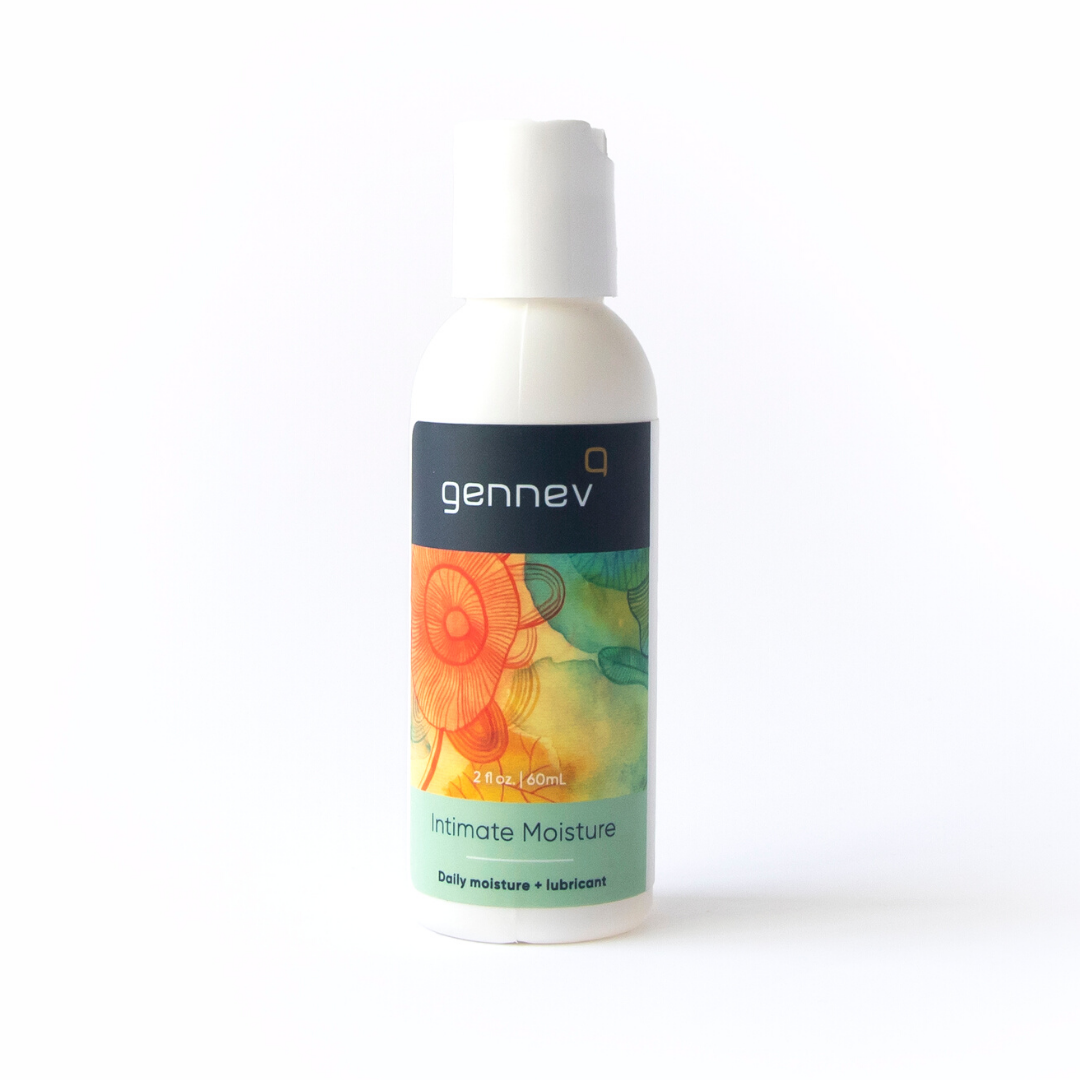
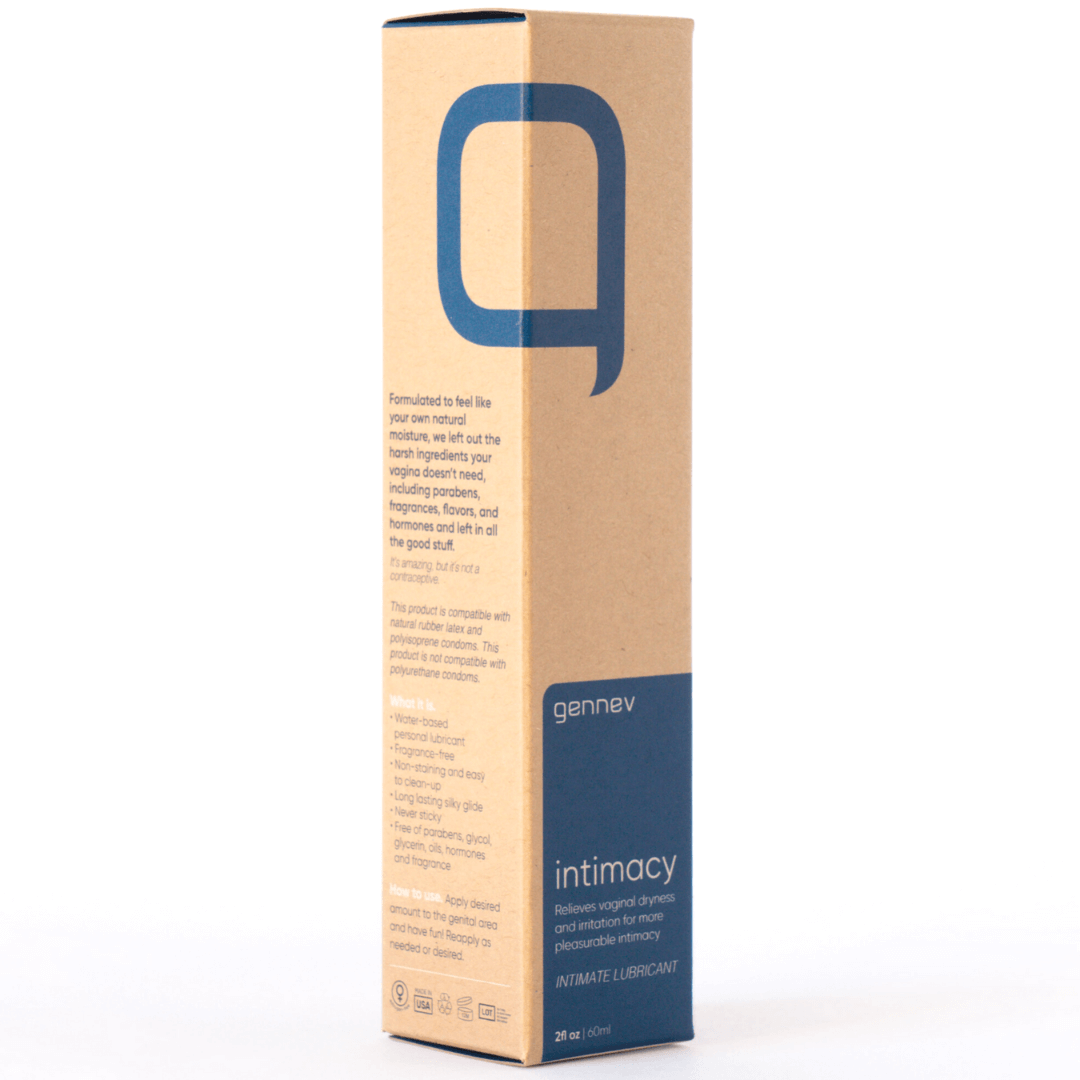
1. Lubricants and moisturizers – For many women, the right system of lubricants and moisturizers is a great, simple, effective solution for the problem of vaginal dryness. There are many lubricants for menopausal dryness, so check the label to ensure your lubricant is free of parabens which can cause irritation; lubes that offer numbing, warming, fragrance or flavor may also contain substances that users can have reactions to. The Gennev line of personal care products is free of irritants and pH-balanced to maintain your body’s natural chemistry, since you’re asking. Our line of products includes:
Gennev Comfort for vaginal dryness
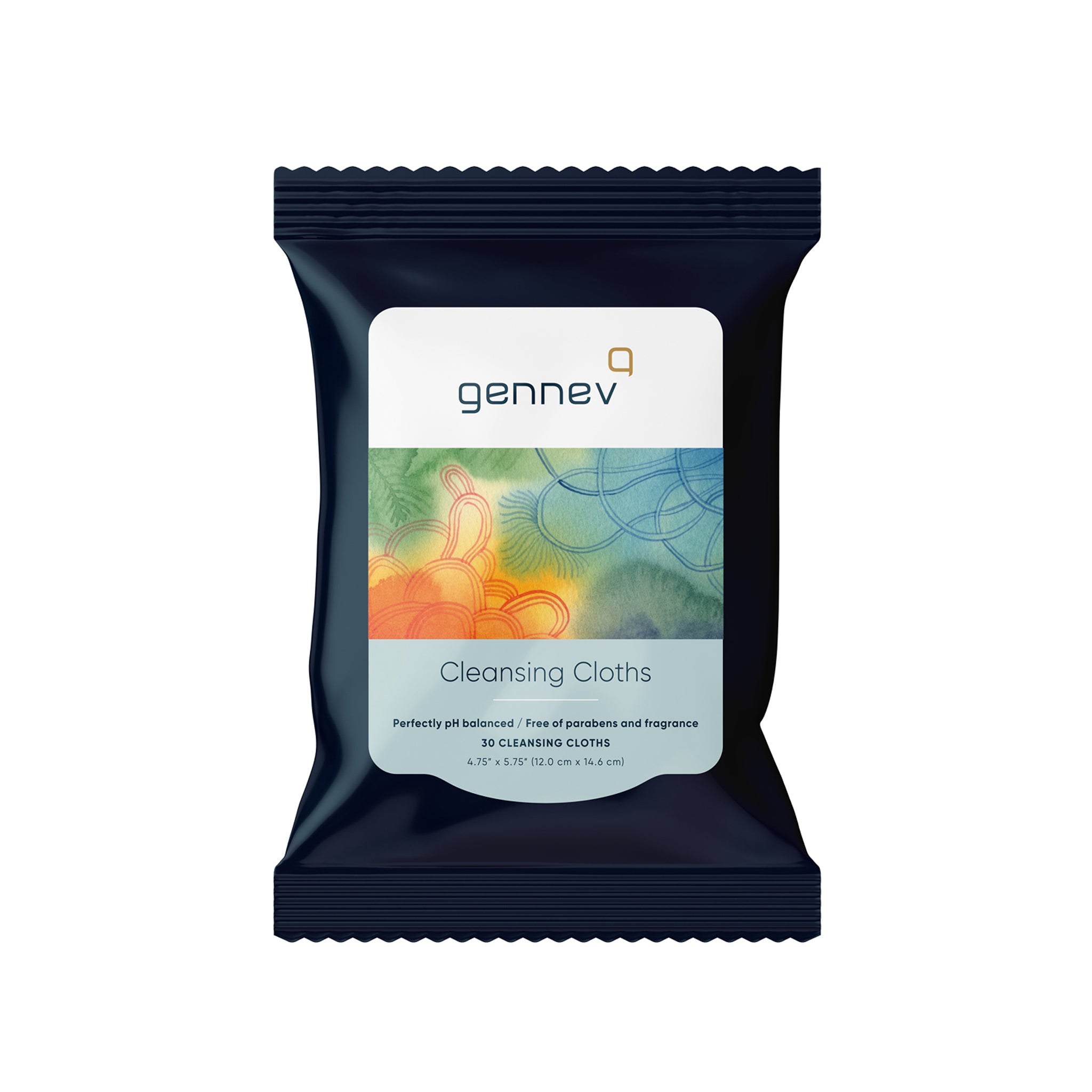
Cleansing Cloths, which are feminine vagina wipes for comfort on the go.
- It’s important to find the best lubricant for menopause dryness for
- you
- , regardless of what that may be.
2. Lifestyle changes – Some women find relief by adding regular exercise, reducing alcohol and nicotine intake, avoiding caffeine, and eating a healthy diet. Douches, some soaps and lotions not intended for sensitive areas can increase irritation, so choose your cleanser carefully and don’t douche at all.
3. Alternative remedies – Compounds in soy and soy products can mimic estrogen and help some women reduce vaginal dryness, so consider adding tofu and soy milk to your diet. And because we know a lot of folks are mystified about what to do with tofu, here’s some help with that as well.
4. Hormone therapy – Designed to replace your body’s natural estrogen, hormone solutions are localized treatments such as vaginal estrogen inserts, skin patches that release estrogen over time, and oral medications. These may not be suitable for every woman, so be sure to work with a doctor to determine if one of these treatments is right for you. To continue the fight against dryness, also try some lubricants for women.
If you would like to try a prescription of HRT for vaginal dryness, a Gennev menopause-certified gynecologist can give you a trusted opinion, determine if medication is right for you, and they can provide prescription support. Book an appointment with a doctor here.
Now, about that “1 in 3″ stat”¦
Did you have any idea vaginal dryness was such a common concern? Maybe not, because reproductive and sexual health issues are still such taboo topics that often women don’t discuss these problems with each other”¦or with their doctors. And we want your help to change that.
The women of Gennev toss around terms like “vaginal dryness” and “personal lubricant” the way other people discuss sports scores”and we want the world to be right there with us. We think women can only benefit from making vaginal health issues as open a topic of conversation as any other topic that impacts our health and quality of life.
So consider this an invitation to join the discussion at whatever level and in whatever way you’re comfortable. Check out our posts on Twitter, Facebook and Instagram, and tweet or comment back with your thoughts. Join Midlife & Menopause Solutions, our closed, women-only Facebook group. Keep yourself in the know by subscribing to our podcasts, blog, and newsletter.
Looking for more information about vaginal dryness? Ask one of our doctors! Book a Telemedicine appointment with one of our GYN providers.
*As with any medical issue, please consult with your doctor to rule out more serious causes.
Quick question: who suffers from urinary incontinence? If you said “seniors and women who have had lots of babies,” you’re not wrong. But your answer is a little incomplete.
In fact, one of the fastest-growing populations with this issue is fit, younger women. Female athletes and women who exercise regularly are complaining of leakage, regardless of age and whether they’ve had babies or not. And it’s not just limited to incontinence when running, it’s cross trainers, gymnasts, everyday women who hit the gym after work and on weekends.
Tips for incontinence and exercise
So what’s going on down there? I went to two physical therapists to get some incontinence and exercise answers: Meagan Peeters-Gebler PT, DPT, CSCS, CMTPT, and Brianna Droessler-Aschliman PT, DPT, CMTPT (see their complete bios below). Both are experts in women’s health as well as accomplished athletes themselves.
Here are five things they told me to help prevent or reverse urinary incontinence:
Incontinence tip 1: Don’t over-train your pelvic floor
According to Meagan and Brianna, one big reason for the uptick in leakage is the way we exercise. In order to control urination, our pelvic floor (the muscles and tissues that hold the bladder, uterus, bowel, and vagina in place) needs to be able to contract and relax. But many modern exercise routines involve clenching the pelvic floor and abdominals and holding them tight (think crunches), and holding too tightly and for too long can spell trouble.
“We have this mentality that more is better,” Meagan says, “and that gripping and never letting go makes muscles stronger. Women need to learn how to do exercises properly to first engage the pelvic floor and abdominal muscles and then to relax them. An overactive pelvic floor can cause problems just like a weak one can.”
Incontinence tip 2: Let it go, let it go, let it go
Your posture can also result in an overactive pelvic floor, Brianna says. While many of us retain stress and tension in our shoulders, many women hold tension in their pelvic floor, keeping the abdominals tight. According to Brianna, “All the anxiety in our society can contribute to incontinence when we keep the pelvic floor too tight. Just like we need to let our shoulders drop, we need to learn how to relax those lower muscles and let the tension flow out.”
Incontinence tip 3: Pap pain or a little dribble? Get ye to a doctor
One way to know if you’ve overachieved on the pelvic-floor-tightness front is to be aware of any pain or leakage. If you experience pain during a pap test or pelvic exam, that’s a problem, says Bri. There should be no pain for younger women, not during the exam, not even when the speculum is being inserted in the vagina. If it hurts, that’s not OK and could be a sign of future pelvic floor problems.
Additionally, pre-perimenopausal women who haven’t had kids should have no leakage. Zero, according to Meagan. If once a month a sneeze causes a little nether-mist, that’s a problem. It shouldn’t happen at all to women in this category.
If either of these happen to you, no matter what your age or risk factors, it’s time to talk to a doctor. “Start the conversation with your doctor now,” Meagan advises; “Ask for a referral to a pelvic floor specialist. Getting the right treatment early on can mean avoiding all sorts of difficulties a few years down the road.”
Incontinence tip 4: Exercise right
In addition to easing up on the crunches or other all-abs-all-the-time exercises, other athletes can reduce their risk by exercising the right way. If you’re a runner or do other high-impact exercise, increase your cadence (number of foot strikes per minute) to reduce bounce, says Bri. Don’t go as high or as low with each stride; shorten your stride so there’s less impact, and lean forward so your bladder is supported by your pelvic bones. If you’re a little heavier and hoping to run to lose weight, try to get some of the extra weight off first, to lessen impact. While extra weight is also a risk factor for pelvic floor issues, the damage done by running can be even greater, Bri says.
Incontinence tip 5: Even if you don’t have to go yet, go now
Not to the bathroom, to the doc. In a perfect world, Brianna and Meagan told me, women would go to a physical therapist (PT) for assessment and training before any issues arise. As Meagan said, “It makes an enormous difference when women are proactive about their pelvic health. Consult with a physical therapist who specializes in this area and stick with them. Go before you get pregnant, keep going during the pregnancy, and for sure get help with recovery after the delivery. Even if you don’t plan on having kids, you’re not guaranteed a trouble-free future. PTs can help you drastically reduce or even eliminate the risks.”
Learn more about physical therapy and incontinence issues or find a provider near you at the Orthopedic Spine Therapy website and Four Pines Physical Therapy.
Suffering from incontinence when you are running? A menopause-certified provider can be helpful. Book 30 minutes for your personal consultation with a menopause expert.
Meagan is a physical therapist, strength and conditioning specialist and Ironman finisher who works and plays in Appleton, WI. In addition to treating in the better known PT realm of orthopedics, she also works extensively in the mysterious world of pelvic health (incontinence, pelvic pain, pain with intercourse). Her passion is educating women about their amazing bodies, and she finds great joy empowering self-improvement with conservative strategies. She especially enjoys treating female and endurance-sport athletes. When not in the clinic she can be found swimming, biking and running. She has even mastered the art of peeing on a bicycle—on purpose.
Brianna is a 2015 graduate who found her passion in pelvic health after an internship during PT school. At this time, she has been working closely with her co-worker/mentor to expand her skill set in the pelvic health realm. She is very passionate about this particular population because of its unique challenges. She spends time educating patients, and providing them with a comfortable and safe setting. At this time, she primarily treats female patients with incontinence, dyspareunia, and abdominal and pelvic pain. She enjoys spending time with her husband, training for various events, traveling, and being with family.
The largest organ in the human body isn’t actually in the human body as it’s on the outside. To be even more accurate, it is the outside.
It’s our skin. And it does more than keep the rain out and our insides in.
Our skin is a pretty good barrier against much of the outside world, but it isn’t perfect. Sun damage or melasma happens. And the products we use on our skin may be doing us more harm than good.
Why is menopause skin different?
As we age and lose estrogen, skin gets drier, thinner, loses moisture and elasticity. This makes skin more prone to damage, dark spots, and wrinkles.
Unfortunately, the beauty industry, with its focus on younger women, doesn’t really handle aging skin well. There is no shortage of options on store and salon shelves, but many products not only provide temporary relief at best, they may actually be introducing harmful substances, at worst.
Are you causing harm to your hormones?
Chemicals such as phthalates and parabens are found in many common household products, including cosmetics. These are suspected “endocrine-disrupters,” meaning they may have unnatural influence on our hormones. At a time when hormones are already pretty “disrupted” thanks to perimenopause and menopause, additional commotion from the outside is as unwanted as it may be dangerous.
Menopause skin care solutions
We talked with skin-care expert Kari Gran, co-founder of the company that bears her name, about how to protect all skin, but particularly aging skin.
“Sunscreen” came up regularly, often, and frequently at volume: Kari Gran is a true believer in the power of protecting our skin so it’s healthier, longer. Much of our skin’s aging, Kari says, can be attributed to accumulated sun damage. But many of us fail to understand how sun damages our skin.
The rays that burn our skin aren’t the same as the ones that age us over time. While UVB rays damage the DNA in skin cells directly, causing sun burn and most skin cancers, the weaker UVA rays are the ones that cause photoaging. These rays can penetrate to the collagen in the deeper dermal layer, damaging not only collagen (which we already have less of as we age) but also causing the tiny blood vessels in the skin to bleed, which can make those thin purple lines that are visible just under the skin.
You need sunscreen that blocks both types of rays, and, says Kari, you need it every day. Whle UVB rays may be less present and harmful on cloudy days, UVA rays are still present, still penetrating, still doing damage.
In addition to the right sunscreen, we need to use products that truly protect and nourish but that contain only helpful (and not harmful) ingredients.
While no OTC product can replace the properties of estrogen, some are more attuned to the need to protect and nourish better than others.
Kari Gran and Lisa Strain started the Kari Gran company based, as it often is for women, on a need that no one was meeting.
Kari herself was diagnosed with an autoimmune disorder in her late twenties. That diagnosis, after years of not feeling well, led her to consider the impact on her insides of the products she used on her outside: creams, lotions, soaps, makeup, etc.
We know what we put on our skin can affect us systemically “ it’s the way nicotine patches work, after all. So we need to be thoughtful about the products we use on our skin, especially as we get older.
Kari, who describes herself as a “diehard beauty junkie,” made healthy alternatives in her kitchen to give to friends as gifts. Lisa pushed her to turn her amazing formulations into a business, and there’s been no looking back.
Guaranteed free from endocrine-disrupting parabens and other harmful ingredients, the rich, lush, cleansing, hydrating, restorative serums, soaps, oils and more are protective and nourishing.
Learn more about skincare for menopausal skin and Kari Gran “ the company and the woman it’s named for “ in this podcast with Gennev CEO Jill Angelo.
What is your skincare regimen, if you have one? Does it work for you, or are you considering switching it up? We’d love to hear what you’ve learned in our Gennev Community forums!
At Gennev HQ, we joke that Burning Mouth or burnt tongue syndrome makes us think of Burning Man.
It’s not funny though: if you’ve ever gulped too-hot coffee or bitten into a pizza fresh out of the oven, you know the serious pain of a burnt tongue.
And for some of us, this sensation happens without any known cause or injury.
If you feel like you’ve scalded your mouth and just can’t remember when or where, it may not be midlife brain fog: there really might be something going on, even if you (or your doctor) can’t pinpoint the source.
It’s called Burning Mouth Syndrome (BMS) and, for some reason, people in perimenopause are more likely to experience this symptom
What is Burning Mouth Syndrome?
BMS is, in medical terms, a “chronic orofacial pain disorder.”
BMS symptoms include feelings of burning (hot, tingling, and painful), other paresthesia or tingling all over the body (abnormal sensations of the skin, like prickling, tickling, chills, or numbness), and pain inside the mouth without an obvious lesion or injury.
Most sufferers feel pain on the front part of the tongue, but the roof of the mouth, palate, gums, lips, and other tissues may also be affected.
People with BMS may also experience dry mouth, sensitivity to certain foods, and strange tastes.
While some infections, medications, diseases, nutritional deficiencies, dental work, or psychological conditions are known to cause these symptoms (called secondary BMS), primary BMS is idiopathic: there isn’t a discernible cause. A third type may stem from an allergy to certain preservatives.
For sufferers with primary BMS, pain typically gets worse over the course of a day; people may feel fine when they wake up, and the discomfort peaks in the evening. With secondary BMS, the pain remains consistent.
We don’t know why primary BMS happens, but research suggests that it’s possibly due to nerve fibers malfunctioning, potentially those in the back of the head or in the front of the tongue.
Overall, Europeans are more likely to experience BMS than Asian or American residents (7% prevalence vs. 2-3% and 0.7%, respectively).
Anyone can get BMS, but because a disproportionate percentage of sufferers are perimenopausal women of all races and backgrounds, experts suspect that hormonal changes are be involved. Depending on who you ask, anywhere from 10% to 40% of menopausal women may experience BMS, though different diagnostic criteria are not well-defined.
This hormonal tie-in does make sense: like your genitals, the mucous membranes in your mouth have sex hormone receptors, and we know that decreases in estrogen around menopause and dry mouth can lead to both decreased saliva production and the periodontal issues associated with dry mouth.
Other potential causes or links to BMS include oral parafunctions (like clenching your jaw or grinding your teeth), an allergy to dental materials, diabetes, vitamin B, folic acid, or iron deficiencies, gastrointestinal diseases, psychiatric and neurological disorders, or pharmaceutical side effects.
In up to a third of cases, multiple causes are suspected.
While BMS caused by hormonal changes isn’t dangerous, it can lead to people not eating or not eating well. Alternatively, for those who find that eating or drinking temporarily reduces the pain of BMS, the condition can lead to overdoing it and consuming more than is healthy.
Great. So what can I do about my BMS?
Like many benign conditions, BMS won’t kill you, but it can make your life miserable. The discomfort can disrupt your sleep, make it difficult to eat, and lead to anxiety and menopause depression.
The bad news is that treating BMS is mostly managing symptoms. The good news is that you have options.
See your doctor and your dentist! They’ll want to rule out all other potential causes, like some anti-depressants (dry mouth), Alzheimer’s, Parkinsons, or hypothyroidism (change in taste), lichen planus (sores) or a yeast infection (redness). Experts recommend examination of teeth, mouth, temporomandibular joint, and dentures (if applicable), as well as a full blood count, tests for folic acid, iron, B vitamins, sex hormones, and blood sugar and swabs for oral bacteria.
Fight fire with fire. Believe it or not, spicy foods can actually help BMS: capsaicin (the compound that makes hot peppers hot) can disable the pain-signaling chemicals in nerve cells. You can buy capsaicin oil over the counter or you can put a few drops of Tabasco sauce in a teaspoon of water and swish this around in your mouth. Too good to be true? Menopause Goddess Lynette Sheppard swears by capsaicin.
Quit smoking. When we said “fight fire with fire,” smoking is NOT what we had in mind. BMD can be triggered by tobacco, so cutting down on cigarettes, cigars, and even chewing tobacco could help reduce the incidence and/or severity of BMD symptoms.
Avoid carbonation. A cool drink may sound terrific, and maybe it will help, but choose non-carbonated liquids or plain ice water, as carbonation does worsen BMS in some people.
Manage stress. The relationship between stress and BMS and other chronic disorders is a little bit of a chicken-and-egg situation. Does your BMS cause stress, or does stress in menopause cause BMS? Regardless, stress is bad for your health. Yoga, meditation, exercise, psychotherapy, and cognitive-behavioral therapy have been shown to lessen BMS discomfort.
Try alpha-lipoic acid (ALA). Your body naturally produces this antioxidant, and it’s also found in foods like tomatoes, potatoes, and spinach. ALA promotes the production of nerve growth factor and is typically used to treat diabetic neuropathy and other nerve issues “ potentially including BMS. While studies suggest improvement in BMS symptoms compared to placebo, more research is still needed.
Hormone replacement therapy. We’ve written many times before about our stance on hormone replacement therapy HRT has many pros and cons.. If this is something that works for you and your doctor, hormone replacement therapy can help BMS.
Struggling with BMS? A Gennev menopause-certified gynecologist can give you a trusted opinion, if medication is right for you, and they can provide prescription support. Book an appointment with a doctor here.
BMS is no picnic, but you have support and choices in how you manage it. Talk with one of our menopause-specialist doctors about your options for controlling your menopause symptoms via Gennev’s telemedicine service.
Do you suspect you may have primary or secondary BMS? We’d love to hear about your experience in our Gennev Community forums.
Sleep aid, pain reliever, anxiety soother as if CBD’s reputation proves true, it could be a great boon for women in menopause.
So, does CBD’s reputation prove true?
We wanted to understand where the research stood on CBD as its potential benefits as well any concerns, its promise as well as its limitations. So we contacted Jenny Wilkerson PhD, Assistant Professor of Pharmacodynamics at the University of Florida and co-author of the article “CBD: Rising star or popular fad?” for The Conversation, and we asked her a few questions.
Can you explain the differences between CBD/THC/hemp/marijuana, in terms of your research?
Dr. Jenny: Marijuana and hemp are different strains of the plant Cannabis sativa. Marijuana can also come from the plant Cannabis indica. However, hemp is fully legal to possess and grow in the United States, while marijuana is the strain that is in different stages of state legalization/ decriminalization but is still fully illegal federally.
These strains of Cannabis sativa (often referred to as just Cannabis) are essentially the same, but they have some subtle differences. The main difference is the amount of Delta-9-Tetrahydrocannabinol or THC each plant contains.
THC is the compound that exists in all strains of Cannabis that gets people high. While marijuana can contain upwards of 10-40% THC, hemp contains 0.3% or less.
Cannabidiol, or CBD, is also found in all strains of Cannabis but does not get people high. In the laboratory, both THC and CBD have shown promise to produce therapeutic effects, including relief from some aspects of pain.
Your current research focuses on the pain-relief possibilities of CBD. Why is this research of interest, especially now?
Dr. Jenny: The United States is in the midst of an opioid abuse and misuse epidemic. This statistic is a bit old, with data collected from 2000-2013, but approximately 80% of all new heroin users get their start from misusing prescription opioids.
This has brought into sharp focus the science behind opioid use for pain. Although many patients are prescribed opioids for chronic pain, the evidence is resoundingly clear that opioids are not very effective for long-term, chronic pain control.
Learn more about menopause and your body
by taking Gennev’s free Menopause Assessment.
This factor, coupled with the desire not to repeat history with developing analgesics, or pain-relieving drugs, that have such a strong abuse potential as opioids, has led to an urgent need to develop non-addictive therapeutics for chronic pain.
In addition to reports that CBD does not get people high, laboratory studies which are routinely used to screen drugs for their abuse liability show that CBD does not possess a strong abuse potential. In fact, some studies have shown that CBD may be a good treatment for drug addiction, including opioid addiction.
We’re very interested in your research on how CBD acts on receptors in the body that help regulate sleep, mood, anxiety, and pain, as all of these are common issues for women in perimenopause and menopause.
Dr. Jenny: We know a lot about the serotonin receptor, one of the receptors in the body that seems to produce most of the functional effects of CBD. This is where a lot of the hype over CBD stems from as the thought that it might be the next “cure all’ for several hard-to-manage issues that so many people deal with.
However, we do not know enough about exactly how CBD works with the serotonin receptor. Because different physiological outcomes (i.e., regulation of sleep, mood, anxiety, and pain) are regulated through different actions at the serotonin receptor, we don’t know enough to make strong predictions of exactly how well CBD will produce a therapeutic effect in these outcomes.
To complicate matters, most scientific studies, up until recently, have predominately used male subjects for research. This is changing, due to new National Institutes of Health rules. However, If women are used, they are generally not in perimenopause or menopause because it has been well documented that the associated hormonal changes can alter how some drugs work. So, until we know how CBD will work specifically in perimenopausal and menopausal women, it is hard to draw direct conclusions from what is seen in men.
Although there are plenty of possibilities that CBD may produce at least a subset of these therapeutic effects, we don’t yet have solid evidence of which ones. Indeed, it would be wonderful if it turns out that CBD really works for more of these outcomes, rather than fewer.
Why isn’t CBD being regularly prescribed?
Dr. Jenny: CBD is currently only prescribed as the drug Epidiolex, for the treatment of intractable pediatric epilepsy.
In order for a physician to be able to prescribe a drug, it has to fulfill several important criteria. One of these initial criteria is that it has to be proven safe. Epidiolex did this, and so this is why pharmaceutical-grade or very pure CBD is generally regarded as “safe.’
However, another main criteria that has to be met by potential drugs is that it has to be proven to work as well, or better than the current drugs on the market. This is very important and has to be done in what is known as a “double-blind, placebo-controlled’ study.
We know that the placebo effect is very real, and that when people even have the idea that they will get relief from pain, they report feeling less pain. This occurs even when people get a treatment where there is nothing present that would biologically cause pain relief. So, the patient can’t know if they get the drug or placebo, and the person giving them the treatment can’t know either, because we know this can alter perceptions as well.
Because CBD has only been rigorously tested in this manner for seizure control in intractable pediatric epilepsy patients, we don’t know if it will stand up to this test for regulating pain, sleep, mood and anxiety.
Another concern I have about casual use of CBD is that although pharmaceutical grade CBD was deemed safe by itself in the Epidiolex clinical trials, they found that it can interact with other drugs, such as the drug valoproate which may be prescribed for seizure activity, migraines, and bipolar disorder.
Thus, it is likely that CBD may interact with other drugs as well. This could mean taking CBD with certain drugs could diminish or enhance the effects of prescriptions, leading to problems controlling particular medical conditions that were once well-managed, or increased side effects of the other medications.
For this reason, it is incredibly important to talk to your doctor or pharmacist about potential drug interactions with other drugs before taking/trying CBD.
CBD is already out there and in use. Is that a concern for you?
Dr. Jenny: This is a bit of a concern for me. Only Epidiolex is approved for a medical condition and undergoes Food and Drug Administration (FDA) regulation. All other forms of CBD aren’t regulated, so there is no real way to know what you are spending your money on.
There have been numerous consumer reports that show that the actual amount of CBD that is in the over-the-counter products is significantly less than what is reported on the label. Also, some of these over-the-counter products contain enough THC to show up on drug tests.
Therefore, using the CBD that’s out there for a serious medical condition is going to be tough, because you don’t really know how much or even exactly what you are getting. If you don’t see an effect with CBD, it could be that you aren’t getting the correct dose, or it could be that CBD isn’t going to work. If using CBD from the shelf doesn’t work, it might be difficult to know when to cut your losses and put your time, effort, and money towards other avenues.
Because of those reasons, even in pro-medical CBD/ marijuana states, most physicians are very hesitant to prescribe CBD. Additionally, in the future, if CBD is developed as a therapeutic for a given condition, if someone has already tried an over-the-counter CBD product that didn’t work, they might be less likely to use CBD where it could work.
If I want to purchase CBD to test for myself, what should I look for? Is there a provider/organization you trust?
Dr. Jenny: I cannot recommend the purchase of over-the-counter CBD, for the above reasons. I recommend that if you want to try CBD, be smart and informed. Look up reports from third-party groups like consumer reports, to get an idea of what you might actually be purchasing with your hard-earned money, keeping in mind that these reports can change from one batch to another.
Is there any research being conducted right now that you’re excited or concerned about?
Dr. Jenny: As a chronic pain and drug abuse scientist, I am very interested in on-going research into the potential of CBD to produce pain relief and reduce the over-reliance of prescribing opioids for chronic pain, as well as a treatment for opioid abuse and addiction.
More about Dr. Jenny Wilkerson: Jenny Wilkerson joined the University of Florida College of Pharmacy in November 2017 as a research assistant professor in the Department of Pharmacodynamics. Prior to joining the University of Florida, she was a postdoctoral fellow at Virginia Commonwealth University in the Department of Pharmacology and Toxicology where she received the competitive Ruth L. Kirschstein F32 Individual National Research Service Award from the National Institute on Drug Abuse. She received her Ph.D. from the University of New Mexico in the Department of Neuroscience.
Have you considered or tried CBD for menopause symptom relief? Was it helpful for you? We’d love to hear more about your experience, so please join us in our community forums, find us on Facebook, or join our closed Facebook group, Midlife & Menopause Solutions.