Sleep is elusive enough for many women in menopause. You’re exhausted, desperate to get just a few hours of uninterrupted REM, you start to drift off at last, when suddenly your leg starts “¦ tingling. Then pins-and-needles, then throbbing, then an overwhelming urge to move your leg, which brings relief, for maybe a minute, until the whole thing starts again.
According to the National Institutes of Health, Restless Leg Syndrome (RLS) affects up to 10 percent of adults in the US, and it’s more common in women than men. It’s also more common in older people, meaning a lot of sufferers are women in menopause.
While RLS may not be directly caused by menopause, it’s certainly a common complaint among women in midlife and menopause, so we’re making it our Symptom of the Month.
If you are having a hard time dealing with restless leg syndrome, a Gennev menopause-certified gynecologist can give you a trusted opinion, determine if medication is right for you, and they can provide prescription support. Book an appointment with a doctor here.
Tingling In Leg At Night? What is Restless Leg Syndrome?
RLS sufferers generally report unpleasant sensations in the leg as tingling, symptoms of too much electricity in the body, itching, crawling, throbbing as plus an irresistible urge to move. It may affect both legs or just one. It may move from one leg to the other, and for up to 80 percent of RLS sufferers, it’s accompanied by the jerking or twitching of legs and arms known as PLMS: periodic limb movement of sleep.
RLS is classified as a “sleep disorder” because symptoms generally start in the evening and worsen through the night. Obviously, restless leg syndrome can have a huge impact on quality and quantity of sleep.
Moving generally relieves the symptoms temporarily, meaning someone with RLS may feel compelled to shift positions constantly or even get up and walk around. Many find that symptoms disappear for a time in the very early morning, allowing for at least a little sleep as that is, if you don’t have other issues keeping you awake.
What causes RLS?
Like so many neurological disorders, the exact cause isn’t well understood. It can be genetic, though in most cases the symptoms show up before age 40 when there’s a genetic component.
It’s possible that RLS is caused by the part of the brain that controls movement as the basal ganglia. If that area isn’t able to utilize the brain chemical dopamine properly, the disruption could cause the sensations and involuntary movements of RLS.
Other factors that may contribute to the development of RLS include iron deficiency, renal disease, medications such as anti-nausea, antipsychotic, antidepressants (which are frequently prescribed for women in menopause), even some cold and allergy meds. Pregnancy, especially toward the end, can trigger RLS, though it generally disappears a month or so after delivery. Nerve damage has shown to be related in some cases, and three of the usual suspects for menopause symptoms: smoking, caffeine, and booze.
How could perimenopause or menopause be a factor? Many women in perimenopause who suffer heavy bleeding may have an iron deficiency, so that could contribute. Also, it’s thought estrogen helps muscles relax, so as estrogen declines, we lose that natural relaxant.
How do I stop my leg tingles at night?
Now that you know what it is, how can you treat your restless leg syndrome? First things to look at may be the list of “other factors” above as are you taking any of the medications, are you nearing the end of a pregnancy, are you getting enough iron? When those conditions change, you may find your RLS goes away.
Diabetes is also a related condition that can worsen RLS, so if you have other risk factors for diabetes, you might want to be tested. If you’ve been diagnosed, check with your doctor to be sure it’s being managed correctly.
If none of those are causing your RLS, there are things you can do. As ever, we suggest lifestyle modifications first:
- Bump up your magneisum and iron., as both of these can help. Magnesium helps muscles relax and it’s possible some cases of RLS are triggered (or worsened) by a magnesium deficiency.
- Eat for menopause. If hormone changes may be affecting RLS, adding back some estrogen via food may help. Registered Dietitian Krista Haynes suggests legumes, flaxseed, and alfalfa sprouts. Calcium-rich foods may help muscles relax. Ms Haynes also suggests having lavender essential oils nearby at bedtime to provide further relaxation.
- Menopause and Exercise: exercise moderatelyand not too close to bedtime. Excessive exercise can worsen RLS, but gentle exercise such as walking at a normal pace can bring some relief.
- Be good about sleep habits. Known as ” sleep hygiene,” having healthy, regular habits around bedtime can help calm you and prepare your mind and body for sleep.
- Stretching has been shown to help RLS sufferers. RN Mary Ann Wilson has some great RLS stretches, especially for those of us who spend most of our day stuck at a desk. Yoga may also provide relief.
- Reduce or reject caffeine, alcohol, nicotine. Studies have shown that all three of these can worsen a whole lot of menopause symptoms, so hard as it may be to lessen intake or give them up entirely, you might find a decent night’s sleep is worth it.
- Take a warm bath. Get a massage. Sometimes the best way to take care of yourself emotionally is self-care, so consider indulging yourself in some calming comfort.
- A restiffic foot wrap. This adjustable foot wrap may help reduce symptoms by targeting pressure points on foot muscles. Researchers thought pressure on the foot would signal the brain to relax leg muscles. The wrap has only undergone small studies, so more research is needed to determine if the restiffic is truly effective.
- Tracking. Some sufferers have reported keeping a sleep diary to help track triggers and successful strategies really helps them to manage the condition.
Medication for leg twitches at night?
Medications are available that can help, if you do all the above and find you’re still suffering. Requip, Neupro, and Mirapex (dopamine agonists) as possible options. Other medications known as “dopaminergic” drugs (Sinemet) affect the levels of dopamine in your brain. However, there are concerns about the phenomenon known as “augmentation“ as the worsening of RLS symptoms after long-term use of some dopaminergics. Be sure to ask your doctor about the risks versus the benefits.
Other medications that may work are sedatives to help you stay asleep, symptoms or no. Anticonvulsants such as gabapentin have been shown to provide some relief, as have opioids. menopause prescription drugs are very addictive. Medications with opioids may only be prescribed for a short time and for those with extreme symptoms.
There is no “cure” for RLS, and symptoms may worsen with age. However, a combination of good lifestyle choices plus medications if necessary may lessen the symptoms enough to allow you to sleep.
If you are dealing with restless leg syndrome, how are you managing your condition? Please share your experience and wisdom with the Gennev community as leave a comment in the comments section below, on our Facebook page, or in Midlife & Menopause Solutions, our closed Facebook group
Let’s talk brains: We know perimenopause and menopause can impact our brains.
Women report feeling mentally “foggy,” having trouble concentrating, struggling to find the right word or remember if they scheduled that dentist appointment and even get mild-tension menopause headaches. Like the zombies we sometimes feel we’ve become, we just want a fresh brain.
What causes a foggy brain in menopause?
It usually starts in perimenopause, as estrogen levels begin sloping downward. Foggy brain (and some short-term memory impairment, fatigue, and loss of focus) happens because, as neuroscientist Dr. Lisa Mosconi told us, estrogen is a “master-regulator” of our brains. We have lots of widely distributed estrogen receptors in our brains, and when estrogen levels decline, a critical energy source is gone. To put it simply, perimenopause brains are tired.
Fortunately, menopause brain fog is largely temporary. In menopause, women do lose the neuro-protective effects of estrogen, but as our bodies adjust to decreased levels of hormones, so do our brains.
Is it menopause brain fog or dementia?
This question comes up a lot at Gennev as women can’t remember where they left their keys; a friend’s name suddenly pops out of their brains; they can’t retrieve the right word in conversation as and they fear they may be experiencing early-onset dementia.
While brain fog is irritating, it’s generally just that as irritating. Dementia is far more likely to disrupt life and normal activities. Have you stopped doing tasks you normally did (household finances, for example) because you feel unable to do them? That might indicate a more serious issue.
If you’re worried your memory lapses may be more serious, there are many signs of Aazheimer’s and a number you can call to speak with an expert about your concerns.
How long does menopause brain fog last?
It’s great that menopause brain fog isn’t forever, but the fact is it usually starts in perimenopause and can hang on even into early menopause, meaning women may not feel as sharp or focused for several years. Given that women in their late 40s and early 50s are often at the height of their careers, who can afford to wait?
Natural treatments for brain fog
Roll up your sleeves, because it’s about to get all science-y up in here. The best “natural” remedy for menopausal brain fog might be “¦ thinking. Learning. Using your brain in new ways helps it “learn to learn” again.
Research scientists Denise Park and Gérard Bischof define neuroplasticity as “the brain’s ability to increase capacity in response to sustained experience.” Because the human brain is “plastic,” it’s flexible enough to reorganize itself and form new neural connections. Our plastic might become a bit less malleable with age, but there’s still plenty of opportunity to learn. And it gets easier.
Neuroplasticity typically comes up when the brain has suffered damage from, say, a stroke or accident. When part of the brain is damaged, the function it controls may be lost or impaired: the person may no longer be able to speak or they might lose the ability to walk. Neuroplasticity allows the brain to reroute the function to other, undamaged areas of the brain.
In fact, our brains are constantly reorganizing, like a computer defragmenting to make more space and increase efficiency. And we can take advantage of that fact, even when our brains aren’t damaged by anything more than age.
Why is brain health particularly important for women in menopause?
Hormonal brain fog is frustrating and annoying, and the impact on a woman’s self-confidence can have downstream effects on families and careers. Women are amazingly adept at dealing with the occasional inconveniences of our own reproductive systems as shall we name the ways we’ve discreetly carried a tampon into the ladies’? as but the stress of feeling foggy plus the stigma attached to talking about menopause in the workplace can take their toll over time.
Further, women are more at risk than men of developing Alzheimer’s disease and dementia: women over 65 stand a 1-in-6 chance of developing Alzheimer’s; for men, the risk is 1 in 11. It’s possible that training our brains early, well before the brain is significantly impaired, allows for a later onset of the disease. Like any muscle, the earlier we start strengthening, the more benefit we’ll see.
How do we maximize our brain’s natural neuroplasticity?
While there’s research still to be done to prove it, it does appear that making our brains work harder to learn new things and acquire new skills helps our brains stay plastic and flexible. Repeated demands allow new neural pathways to form. Here are some tips for putting your brain through its paces and supporting brain health in your everyday life.
Do hard stuff over and over again
I have a terrible sense of direction and rely on Waze and similar apps to get me from A to B, even in my own city. This, according to research, is not a good idea. Forcing myself to think through the available choices and decide the best path is a good, challenging mental exercise that can be repeated. Once I’ve mastered the Waze app, on the other hand, there’s really no more learning to do. Take up a musical instrument, if that interests you. Learning a new language is a great idea as the complexities of grammar, the rote memorization of new vocabulary help remind your brain how to retain information and force you to access that new information over and over again.
Play brain-training games
While the jury is definitely still out on how much you can gain from these games, games designed specifically for improved cognition do appear to “confer some benefit” (scientist speak for “don’t expect to turn into Einstein overnight”). The games should be fun, challenging, and allow you to graduate to harder challenges as you improve. While brain games may not make us smarter or delay onset of dementia, they may make learning new things easier, even as we age.
Stay social
Do smart stuff with other smart people. You’ll enjoy it more, expand your horizons, and possibly protect your neuroplasticity in the process.
Get plenty of Omegas 3 and 6
Fish, fish oil, seeds, and nuts all appear to play a role in protecting brain function. Fluid intelligence as our problem-solving smarts as and memory preservation are supported when we have balanced, abundant reserves of Omega fatty acids from our diet.
If you are looking for a convenient way to get your daily fatty acids, try Gennev’s Glow, our omega 3 supplement for women
Vitamin B12 deficiencies might also cause fuzzy thinking, so be sure you’re getting plenty of this nutrient. It can be particularly difficult for vegans to get enough, so consider supplementing if you may be falling short.
Speaking of diet”¦ Calorie restriction (cutting calories by 30%) and intermittent fasting during menopause have been shown to have some protective effects, though both should be done carefully and under the watchful eye of a medical professional.
Exercise increases our levels of BDNF (Brain Derived Neurotropic Factor), the compound that promotes the formation of new neural networks. Just how much exercise is yet to be determined, but combining exercise with Omega 3 and 6 supplements may boost the brain protection ever further.
Mindfulness meditation, positivity, reduced stress, and love, sweet love are all good for our brains (and the rest of our bodies). All reduce internal inflammation which can deteriorate neural pathways. (Find out more about mood swings in menopause here.)
Finally, sleep. Just as your muscles need rest between exertions, so does your gray matter. Chronic lack of sleep causes inflammation that can slow brain recovery and impact”¦ well, pretty much everything: memory, metabolism, attention, function. But everything you don’t need your brain to do should be fine!
Medicine for menopausal brain fog
Menopausal foggy brain is the result of decreased estrogen, so it stands to reason the best treatment for menopause brain fog is replacing the estrogen.
HRT (hormone replacement therapy) may, in fact, help; hormonal birth control pills in perimenopause can also help by keeping estrogen levels constant. And despite what you’ve likely heard, many if not most women can take HRT safely, provided it’s prescribed correctly and you follow your OB/GYN’s recommendations. HRT is generally not prescribed for cognitive issues alone, but if you’re also experiencing hot flashes and other disruptive symptoms, it may benefit your brain too.
Tons of women in menopause have a hard time with brain fog. If you want to try HRT to reduce brain fog, a Gennev menopause-certified gynecologist can give you a trusted opinion, determine if medication is right for you, and they can provide prescription support. Book an appointment with a doctor here.
For those who can’t or prefer not to take hormonal treatments, the North American Menopause Society did a review of non-hormonal treatments in 2015 and found a low dose of the antidepressant Paxil or the anticonvulsant and pain reliever gabapentin may help relieve the foggy brain feeling of perimenopause and menopause.
The brain’s ability to heal and learn may slow with age, but that doesn’t mean older adults are out of luck when it comes to learning new things. In fact, the very act of engaging in learning probably makes the next effort easier.
So find something that challenges you mentally and that you enjoy and will stick with. Do that challenging thing with friends, while eating nuts and exercising vigorously, and you may find your gorgeous, malleable, plastic brain is fuller, healthier, and happier than ever.
So, you took a menopause test after dealing with various symptoms and you found out you may be indeed going through menopause. What now?
Well, search on the word “menopause” on the Internet, and where once there was mostly silence, crickets chirping, and the distant sound of an eagle’s cry, now there’s “¦ a lot.
Menopause is having its day, and while that is very good and very overdue, it can be hard to wade through the chaos and separate good information on menopause treatments from rumor and hyperbole. We’ll help you cut through the noise and understand the best menopause treatment options available to you.
If you are looking for treatment options, a Gennev menopause-certified gynecologist can give you a trusted opinion, determine if medication is right for you, and they can provide prescription support. Book an appointment with a doctor here.
Menopause Treatment Guidelines
Menopause is a natural and normal part of a woman’s life, I hear you say. Do we really need treatments for it?
Those lucky few who fly through menopause with nary a hot flash may not need any kind of external support. But many really suffer with menopause vaginal issues, itching, sleepless nights, joint pains, annoying hot flashes, anxiety risks, brain fog, and a host of symptoms that range from disruptive to crippling.
Fortunately, there are treatments and behaviors that can help relieve menopause symptoms, so let’s talk about which menopause treatments work and which don’t, what’s safe and what isn’t.
How can menopause be treated?
At Gennev, we’ve found that menopause treatment follows three general tracks: medical intervention (hormone replacement, antidepressants, etc.), lifestyle and behavioral adaptations (diet, exercise, supplements, alternative therapies), or some combination of the two.
Every woman’s menopause journey is as unique as she is, so the best treatment for menopause for her will generally require a little experimentation and tweaking to get just the right formula.
Medical treatments for menopause
For many women, the safest and most effective menopause treatment is hormone replacement for hot flashes or HRT. While the poorly conducted Women’s Health Initiative trial appeared to indicate that HRT was not safe, the truth is that for most women, if taken correctly, HRT is safe and the best treatment for menopause symptoms.
HRT is the most universally effective treatment for hot flashes and vaginal dryness. In addition, it may provide protection against osteoporosis, heart disease, and even Alzheimer’s disease, so the long-term effects need to be brought in to the risk-benefit analysis.
HRT replaces what your body no longer makes enough of: estrogen. Estrogen does not appear to cause breast cancer (if it did, wouldn’t every woman have it?). However, since it appears to stimulate existant estrogen-sensitive breast cancer, it’s not recommended for women who’ve already had this type of cancer.
Birth control pills and hormonal IUDs help many women with symptoms of perimenopause and menopause. Again, birth control pills or a hormonal IUD like Mirena are not good options for women with a history of estrogen-sensitive cancers, but for many women, the steady release of estrogen can really help balance out hormones during the usually tumultuous perimenopause years.
Antidepressants in low doses can help relieve hot flashes and are generally safe for women regardless of breast cancer risk. The antidepressant dosage recommended for hot flashes is lower than the dose typically used to combat depression.
Moderate vaginal dryness, lichen sclerosus (different than MS), and moderate incontinence can be successfully treated in many women with laser treatments like the Mona Lisa Touch. This is a good, non-hormonal treatment, but it hasn’t been approved by the FDA (though it has been “cleared”). Be sure the practitioner is well-trained in its use and capabilities, and be aware that it is often not covered by insurance.
Bio-identical progesterone creams from a compounding pharmacy are tricky. These are unregulated, so we don’t recommend their use. Additionally, they are no more “natural” than the FDA-regulated medications.
Menopause medicine: over the counter treatments
Taking OTC medicines for menopause can be a bit concerning because lack of oversight from the FDA can mean some products can’t be safely verified. Taking ibuprofen for cramps or to reduce heavy bleeding, or fiber supplements for women’s constipation is probably just fine; getting non-regulated bio-identical hormones from a compounding pharmacy or from the Internet may not be. If you’re going with hormones, please get a prescription from your GP or OB/GYN.
Over-the-counter medications are by nature less powerful than their by-prescription siblings, so you may not find complete or sustained relief. If you’re really suffering, there’s no reason not to get in touch with a menopause doctor near you and get a prescription.
If you have any concerns about your medication, OTC or other, check with your GP, OB/GYN or one of our menopause-specialist telemed doctors.
Natural menopause treatments that really work
First, it’s important to define “natural.” Some define it as “not from Big Pharma.” We understand why women prefer a more natural alternative, but (1) “natural” is not well-defined by any authoritative, regulating body like the FDA, and (2) “natural” does not mean “safe.” Death cap mushrooms are natural, but I wouldn’t want one in my salad.
There are natural remedies that appear to help women, but not enough studies have been done to verify their efficacy. Our approach is, if it doesn’t hurt, and it might be able to help, it’s worth a try. Check out our thoughts on natural remedies in our article “Hot flashes and alternative therapes: What really works?”
Soy (in food, not concentrated supplements, for hot flashes), black cohosh (for hot flashes), Omega 3 (for brain fog and fatigue), vitamin E (for hot flashes), and magnesium glycinate (joint pain, anxiety, and sleep) are all safe and reasonable things to try for menopause symptoms. And any supplement in the Gennev shop has been tested and made to rigorous standards.
Just remember, if you’re adding any concentrated substance to your diet (and this includes supplements, capsules, analgesics, etc.), please check with a doctor who knows your history and what medications you’re on, just to be sure there’s no concern about interactions.
Behaviors and menopause alternative treatments for symptoms
If you’re uncomfortable with hormones or unable to take them, you’re not out of luck. Behavior changes can take you a long way.
Most of these are things you know or can guess; the difficulty is in sticking with them long enough to see real results.
Hydration is so important and will help you more than you can imagine. Your body holds less water now, so dry skin, dry eyes, headaches, fatigue, and brain fog in menopause can all be helped by drinking more. Check out the book Quench by Dana Cohen, MD, if you need more encouragement to hydrate!
Exercise is critical.
Impact exercise like running and walking can help with bones. Building muscles after forty as well as upper body strength can help with retaining muscle and increasing resting metabolism. Core strength can help with balance, meaning fewer falls. And all of these can help lift mood and invite better sleep.
Diet
Diet is another area where a few tweaks can make a significant difference. Now is when you need to increase lean protein and boost healthy greens. The Mediterranean diet is particularly beneficial for women with its emphasis on heart-healthy greens and grains and de-emphasis on red meats. Your brain will benefit, your bones will benefit, and as we age into higher risk of diabetes and heart disease, you’ll have a head start on avoiding long-term illness.
Sleep hygiene
Sleep hygiene is a good idea for everyone, but it’s particularly helpful for peri- and post-menopausal women. Setting a bedtime routine, optimizing your bedroom for sleep, banishing screens two hours before bedtime, going to bed and getting up at the same time every day “ you can start to train your body and mind to understand sleep signals so you can get better rest.
Stress reduction strategies
Don’t just say “yeah yeah” and wave vaguely at the piles of laundry, the bulging work email inbox, the kids, the dog, etc. Yes, life is busy and stressful. No, it’s not healthy, and you need to acknowledge when you need help and a lightening of the load. Taking time for self-care isn’t indulgent or decadent “ it’s critical to good mental and physical health.
If you’re challenged or confused about any of these, or just need an accountability partner, we strongly suggest you sign up for Gennev’s Health Fix. You’ll get unlimited access to our Health Coaches, all of whom are Registered Dietitian Nutritionists and have had special training in menopause care.
There are menopause treatments that really work. It may take some adding, subtracting, tweaking, and testing, but most women find some combination of medical intervention, alternative treatments, and lifestyle change makes them feel a whole lot better.
To find out what route is truly the safest and most effective for you and the menopause symptoms you’re dealing with, talk with a menopause specialist physician. Team up with a Health Coach for ideas and accountability. What’s happening in your body may be frustrating, but it’s normal, and you’re not alone on this journey.
Chris’s morning had been calm so far. Which felt like a gift since she’d been go-go-GO for months since her mom died suddenly and her dad began to need more frequent care.
This morning her partner offered to take both kids to school and to pick up her dad’s new meds from the drug store on the way home. “That is love,” she mused, a smile stealing into her lips. The luxury of time was with her this morning and Chris relished it as she inhaled the deep, roasty aroma of her second cup and enjoyed a sip of coffee at the thought of a slightly longer shower this morning.
Before she was able to swallow, she felt a …flutter”¦ a light, faint beat in her chest. It didn’t hurt, but it definitely called her attention to her heart. “Was that a flutter in my heart?” She set down the cup, put her hand to the middle of her chest, and focused her attention on her heart area.
There it was again. What is that? It felt like there were a couple of caffeinated butterflies trapped in a grapefruit-sized organ. Fluttering. That was definitely a heart flutter. Definitely irregular. Usually, Chris wouldn’t ever think about her heart or how it beats”¦ it just does it, like it has her whole life. Until this morning, this soft, faint beat caught her attention.
Chris is 44. She doesn’t smoke, takes no prescription medicines, walks two miles almost every day, is in pretty good health overall, recently experienced a significant loss, is entering perimenopause, and just experienced a .
Hormones, heart health, and perimenopause or menopause
An important thing to share first is how hormone estrogen plays a role in heart health. It’s a biggie.
Estrogen’s fluctuation and decline over time, as a person enters perimenopause and moves on to menopause, affects nearly all of the body’s systems in some way: reproductive systems, yes”¦ but also dry eyes, weaker bones (osteoporosis), lungs, and hearts too.
In the heart, specifically the inner layer of the artery wall, estrogen is believed to help keep blood vessels flexible and able to relax and expand to accommodate blood flow. A fluctuation and decrease in estrogen, therefore, may mean less flexibility and less accommodation. Blood pumps through the heart and carries oxygen and nutrients to systems throughout your body. We all want, need and deserve healthy hearts, and menopause is one stage where more attention is needed on the heart than perhaps it was given in previous years.
Are heart palpitations a precursor to heart disease?
Heart palpitations are usually harmless, though they can be surprising or even alarming to experience. As mentioned, occasionally, there can be a more serious, underlying cause. But heart palpitations on their own aren’t usually dangerous.
Heart disease, however, is another subject.
Did you know that heart disease is the leading killer of women? So shares the Center for Disease Control and Prevention:
- Heart disease is the leading cause of death for women in the United States, killing 299,578 women in 2017″or about 1 in every 5 female deaths.
- Heart disease is the leading cause of death for African American and white women in the United States. Among American Indian and Alaska Native women, heart disease and cancer cause roughly the same number of deaths each year. For Hispanic and Asian or Pacific Islander women, heart disease is second only to cancer as a cause of death.
What does a heart palpitation feel like?
There are a few different ways a heart palpitation can present:
- Flutter: often a faint, or soft-feeling, quick beat
- Rapid heartbeat: sudden racing heart, similar to a fast motor
- Pounding heartbeat: hard heartbeats, similar to a drum that’s being played hard and loud
- Irregular or flip-flopping heartbeat: often this is described as a slightly delayed heartbeat or skipped beat
Heart palpitations can draw awareness to your chest, of course, but you may also notice palpitations further up in your throat or neck.
Usually, heart palpitations are harmless and will go away on their own. And there are some cases where a larger issue is underlying or causing heart palpitations.
How can I prevent heart palpitations?
This can be an alarming symptom in perimenopause and menopause. It’s understandable to want to prevent them from happening at all. Here, we’ll talk about how to stop hormonal heart palpitations.
Before you assume it’s probably stress, or could be perimenopause, check in with your doctor (or get a phone appointment with one of our doctors). If you’re uncomfortable with heart palpitations, it’s worth getting checked out to make sure there’s nothing underlying this new symptom. Your doctor may suggest you have some tests (such as an electrocardiogram (EKG) or echocardiogram, or suggest getting some blood work done (perhaps to check cholesterol and taking safe supplements and other levels).
Some triggers to be mindful of in your daily life may include:
- High stress and anxiety levels and panic attacks
- Some medications, both prescription and over-the-counter, may have side effects that prompt heart palpitations
- Strenuous exercise
- Stimulants such as nicotine, caffeine, amphetamines, cocaine
- Fatigue in menopause
Your ticker is worthy of excellent care and extremely valuable as an ever-pumping muscle in your body. So, let’s talk about you, personally for a moment.
Menopause coaching and support is here for you, right now. Get your HealthFix.
What do you know about your heart health right now?
- How is your general, overall health?
- Where are you on your menopause journey?
- When was the last time you had a physical exam, including bloodwork, with your doctor?
- Do you have a history “ or herstory “ of heart disease or stroke in your family?
- How is your stress level lately? What can you do today to lower or decrease it?
Consider jotting down some responses in your phone or on paper, plus any questions that may arise as you think about your responses to the above prompts. Talk with your blood relatives if you don’t know your family history, and bring your notes and any additional questions about your heart and your health to your next doctor’s appointment.
Have you ever experienced a rapid heartbeat, heart palpitation, or a heart flutter? Join the Gennev Community Forums and review others’ experiences and share your own. You’re not alone.
How do you discuss a “taboo” topic like menopause on a public forum like a podcast? With humor, insight, wisdom, and patience!
Meet Colleen Ricci Rosenblum and Bridgett Biagi Garratt, the forces behind the hit podcast for midlife women: Hot Flashes & Cool Topics.
A year and 60-or-so episodes out from their launch, and Colleen and Bridgett have a genuine hit on their hands.
They’ve talked about the things you might imagine, given their title: peri/menopause, being empty nesters and relationships with adult children, etc.
But they’ve taken on some tougher topics as well, including Colleen’s daughter’s history with an eating disorder, difficult pregnancies, divorce, and suicide.
Initially, they reached out to Gennev to feature Gennev CEO Jill Angelo on a podcast; they were so delightful and informed and fun, we asked them to return the favor.
What follows is a great conversation about midlife, menopause, the (glacially slow) changing attitudes towards women’s health, and what it’s like to go in the public eye and share intimate information.
TRANSCRIPT TO FOLLOW
What do you think? Is it easier to talk about menopause with friends, family, maybe even at work? Do you agree it’s important that health topics such as menopause be discussed openly? We’d love to know your thoughts, so please join the conversation in the Gennev Community forums.
Exercise is good for everyone, but for women in midlife, it’s particularly important to stay active. Sarcopenia is the medical term for the loss of muscle mass and strength, and both aging and menopause are prime causes.
How to gain muscle after 40?
For oh-so-many reasons: stronger core muscles mean better balance and less chance of falls. Weight training helps reduce abdominal fat, which may help prevent heart issues; it also helps control blood sugar, making it a great tool in prevention or management of Type 2 diabetes. Working muscles against each other may help build and retain bone density. Since muscle requires more blood and oxygen to maintain, the body has to work harder to keep muscles supplied, raising metabolism and burning more calories. It also helps improve mood, lessening depression and anxiety and improving sleep.
Clearly, retaining and building muscle is important for aging well. To find out how to do it right, we consulted Coach Lesley Mettler. With over 20 years’ experience training athletes from beginners to elites, Coach Lesley has helped hundreds of trainees get across the finish line. She has a Bachelor’s in Exercise and Sports Science, with a pre-medical emphasis and a Minor in Nutrition, so we felt pretty confident she could help us.
Keeping and building muscle after 40 with these 5 exercises
Sumo Squat with dumbbell press. There are two versions of this, one with palms facing each other and one with palms facing forward. If your palms are facing forward, don’t extend your arms completely on the way up.
Why Lesley likes it: “It’s a full-body exercise that gets you standing tall! When you squat, push back up to standing through your heels and squeeze your glutes at the top. Keep your core solid and mind your back. If you have to arch your back to raise the weights, you are lifting too much weight.”
Deadlift with dumbbells. According to Lesley, “This one is all about form. Straight back and hinge at the hips. Keep your core rock solid to effect the move. You’ll work your glutes and hamstrings and core. Only lower the weights as far as is comfortable for your level of hamstring flexibility.”
Plank. Says Lesley, “There’s a reason this one shows up so often! It’s a great core exercise and doesn’t require any equipment. Make sure to choose the version that is best for you. Automatically going to the hardest version is doing yourself a disservice (in all these exercises) and a great way to tweak something! Strength and muscular endurance takes time to build.”
There are three versions here to choose from: the “regular” plank, an easier one done from the knees, and a harder one with alternating legs.
Reverse Fly. “How long have you been hunched over that computer, laptop, or phone today? How long were you sitting on the couch or driving (hunched over)? This one hits the upper back and shoulders. Form is also important! Bent over, straight back, keep a slight bend in your elbows and both lift and lower the weights. Think about cracking a walnut between your shoulder blades.”
Bicep curls with balance. Says Lesley, “This is another favorite. It’s a simple exercise but adding in the balance challenge works a neglected system! Can you stand on one leg without wobbling? Again, keep your core tight and do not lift so heavy that you use your back to move the weights. As you get better at standing on one leg while doing this, increase the wobble challenge by standing on a pillow, foam pad or Bosu. You may also mimic a running motion.”
Finally, says Lesley, “These are the basic exercises, but we’d also encourage an easy walk, run, bike, elliptical. Get that heart pumping and some sweat to warm up those muscles first. It doesn’t have to be long!”
Want more help to maximize your post-40 fabulousness? Learn how to kick the sugar habit, get the right amount of protein, detox your home, and get better sleep.
How does work change in your 40s, 50s, and 60s? With more women re-entering the workplace and/or staying there longer, women are looking for ways to make work more fulfilling. And they’re demanding the respect and leadership positions their knowledge, education, and experience merit.
Our regular guest blogger, Barbara Mark, PhD, takes on the question of how women can plan for the rest of their career (or the new one they’ve just started) while dealing with aging parents, perimenopause and menopause symptoms, and the consequences of impulsive midlife decisions.
This article first appeared on PRiME WOMEN and is reprinted here with permission.
Women’s lives are complicated in their 40s, 50s and 60s. As someone who researches professional women in midlife and is a long-time executive coach to this population, I get an up-close-and-personal view of the experiences that women have as the good, the bad and the ugly. I am going to share what women typically face as they mature through this midlife period.
PRiME Women: age, and work
First, some good news: According to reports from the Bureau of Labor Statistics (BLS), more women than ever are contributing to the American labor force, and older women are being valued for what they contribute. This may come as surprising given the gendered ageism women experience.
The BLS predicts that by 2024 nearly one in ten workers will be 55 and older, with women representing the fastest-growing age-gender segment. In less than a decade there will be twice as many older women as women aged 16-24.
This becomes important as women in their 40s look at long-term career planning.
Our often-conflicted 40s
Women in their 40s are in a stage of personal and psychological development that includes moving away from depending on others for approval and permission and making important career decisions independently. Women are typically aggressively moving into more visible and influential leadership positions in their areas of interest and expertise.
It is the second stage of midlife adult development called “Separation“ which can feel liberating for many women.
This is a great time for women to be robust in their desire to achieve the results they want to achieve at this time in their career. They have credibility and enough experience to know what they want to be doing and at what level. They have done their networking and know how to find the contacts that will help them to move up where they are or make the big move to a different place.
If they are unsure of where they want to be, this is a great time to engage with a coach to help get some clarity and develop strategies for making change.
This is an exciting time and yet a challenging time for two reasons:
First, this age group is called the Sandwich Generation. They are likely to still have children (sometimes young ones if they have had children) and parents who are aging as and both kids and parents may require care.
Second, it is during this decade that women typically begin to enter perimenopause and experience the accompanying array of symptoms. For some women it is a blip on the developmental radar screen and for others it is a nightmare!
For the women for whom this is a nightmare, this is the time to connect with a menopause specialist. You can find resources at the North American Menopause Society. Also, there are several online menopause support solutions as one of my favorites being Gennev.
Don’t dread menopause as learn the reasons to celebrate this time in your life.
“Sandwiched” and symptomatic, many women in their 40s consider starting their own venture to provide more freedom and flexibility. These women do need to be mindful that starting their own venture can come with its own challenges and should do their due diligence. It could be the keys to the freedom kingdom “¦ or an all-consuming nightmare of its own.
Our empowering 50s
Moving into their 50s, for many women, is a journey toward increased personal empowerment. However, the beginning of the journey is beset with some navigational challenges.
Many women are still in the grips of perimenopausal symptoms, yet for most women the end is in sight as the average age of menopause is 51. Perimenopausal symptoms can last for a while longer then actual menopause (one year after your last period), but they are usually waning.
Developmentally, this is a time when women begin to reflect on what life has been so far and wonder if they have accomplished all that they hoped or thought that they would.
This time of deep self reflection is often accompanied by a lot of questions about being in the right place. It is the third stage of midlife development called “Liminality” as being at a “threshold” of change. This can mean looking at their level of passion and looking for sufficient levels of purpose and meaning in their career and other aspects of their lives.
Also, this can be a time when some women experience their own personal/professional midlife “crisis” in that they feel that they want or need to make a move but have no real clarity about what that move should be.
Mistakes can be made during this time, so it’s a good time to seek the counsel of a close friend or engage a coach. Often the best choice is to sit tight and wait until you have gotten the clarity you need.
Careers can be very fulfilling at this time, as often the level women have reached is the level they want to be at and they’re in the environment they want to be in.
If those things aren’t true, it is important to get some good coaching to look at making a transition. Because of the aforementioned gendered ageism, women need to feel confident and not get pushed to the side.
Some Pro Tips are:
- Know your value and be able to articulate how your skills contribute to positive business outcomes. Be proud of what you have accomplished and be able to detail your track record with your current or prospective boss.
- Network across generational networks. Developing good relationships across the generations can go a long way to being seen as relational, valuable, and relevant. You have a lot of institutional knowledge and earned wisdom as these are very valuable in the world of work. Sharing this knowledge and wisdom with younger colleagues will help you to nurture trust and influence. You will also be able to keep up to date on current trends and technologies.
- Always manage up well!
- Be sure to challenge your own assumptions about age. You are not old as don’t hold yourself back!
- Also, it doesn’t hurt to know your rights when it comes to possible age discrimination as just in case ;).
As women move into their late 50s, they are usually feeling on more solid ground and into the stage of “Reintegration.”
This is a time of that empowerment I mentioned earlier. Many women will take big, concrete steps toward feeling greater purpose and meaning. If women have had children, they are usually launched by this time, leaving women with more time to focus on what they truly want professionally and personally.
If that isn’t fully happening career-wise, many women add creative pursuits or volunteer opportunities that are meaningful and fulfilling. In the workplace, many women derive deep satisfaction from mentoring and sponsoring younger colleagues.
Our vibrant 60s
Women in their 60s are often both vibrant and elegant. Wisdom is in vogue now, so 60-year-olds should glow in the workplace and in other areas of their lives.
For women for whom this is not the case, grab a good friend and go visit nature, give each other facials, get a massage, go see Mamma Mia Here We Go Again or Book Club.
It is time to enjoy the stage of “Individuation” when women accept all of who they are and kick to the curb anything that doesn’t fit. It is time for women to appreciate all they have accomplished and to accomplish more with purpose and passion!
Women who have found their perfect career spot will enjoy taking on new challenges that keep them growing in ways that are fulfilling.
Do keep in mind the “Pro Tips” noted above as women in their 60s shouldn’t under-sell themselves as they have such wide and deep institutional knowledge and experience to share.
More women are working longer because they are vibrant and have no desire to move out to “pasture” yet. Many women need and want the financial security of working longer.
And let’s be honest: mature women are solid gold for the workplace. By this time in their lives, they have a treasure trove of experience and well-honed interpersonal skills; they handle stress and problem-solve well.
Women in their 60s are loyal, reliable and wise. Some women will want to move toward non-profit opportunities to gain a feeling of purpose and meaning and bring all of the attributes acquired with age and experience that they share in other environments.
Women in their 40s, 50s, and 60s are powerful and dynamic and are to be deeply valued by themselves and by their professional and personal environments. I encourage women to really enjoy this journey with gusto as bumps in the road and all.
Are you still in the workforce, back in the workforce, considering a new job? We’d love to hear about your experience. Ageism, expectations, menopause symptoms as give us the full scoop by leaving a comment below or reaching out to us on our Facebook page or in our closed Facebook group, Midlife & Menopause Solutions.
Yes, premenopause and pregnancy is still very possible. Premenopause (most commonly referred to as perimenopause) is a period of years that occurs before menopause when your hormone levels start to fluctuate and you may begin to experience menopausal symptoms. The average age for premenopausal onset is 51, but this varies woman to woman.
Women in type 1: premenopause have one of the highest rates of unintended pregnancies in the U.S.–second only to teenagers. Mind blown, right? And while the rate of teen pregnancies has been dropping, peri-pregnancies are on the rise. So, to answer the question, yes, premenopause and pregnancy go together like, well, two things you really didn’t think would. We know that this is welcome news for some women who’ve waited to have children. While it’s terrifying for others who either never wanted kids, or have already turned their son’s bedroom into a she-cave and are ready for the next chapter. So let’s talk through this (hint: Birth control is still your friend), because a woman armed with information is a woman prepared to take on anything. Even a baby.
And, as always, be sure to include your doctor in any conversation concerning your physical, mental, and emotional health–three things pregnancy is sure to impact.
If you don’t already have a doc, get connected with a Gennev menopause-certified gynecologist who will give you a trusted opinion. Book an appointment here.
Pregnancy Midlife: Yes, It’s a Real Thing
Yes, your estrogen and progesterone levels are decreasing and the quality of your eggs is not what it was during your traditional child-bearing years. And yet, everything necessary to conceive is still working–in a somewhat wonky way, sure.
But working enough that it’s possible to get pregnant. Yes, this will feel like an insult added to injury for some women. We’re right there with you.
Some premenopause pregnancies are intentional, as fertility treatment makes it possible for women to push childbearing back and concentrate on their careers. However, women pre-menopause can still have as high as a 5 as 10% chance each month of finding themselves on “the plus side of the pee stick,” as one older mom described it, even if the pregnancy is unwanted.
Signs You May Be Pregnant
Oddly enough, premenopause and pregnancy share many of the same symptoms, which can make it more difficult to figure out just what, exactly, is going on with your body. Some women might find this ironic–and some would simply throw those women and their irony a seering side-eye. We never said this was going to be easy. But the truth is, any of the symptoms below,** combined with your age, means a check-in with your doc would be a good idea.*
- Tiredness or lethargy
- Migraines or headaches
- Constant urgency to pee
- Tender breasts
- Mood swings
- Weight gain
Testing for Premenopause
You may be wondering if there’s a test you can take to determine if you’re premenopausal. The answer is, no, not really. Hormone menopause tests are essentially useless because your hormone levels naturally change during the menstrual cycle.
Follical-stimulating hormone (FSH) testing is used to confirm menopause, but is not reliable to diagnose premenopause. According to menopause.org, “a single FSH level can be misleading in perimenopause because estrogen production does not fall at a steady rate from day to day. Instead, both estrogen and FSH levels can vary greatly during perimenopause. Also, if a woman is using certain hormone therapies (such as birth control pills), a FSH test is not valid.”
The Rabbit Died. Now What?
If you discover that you are indeed pregnant, there’s a lot to think about. We can’t, nor would we want to, make any decisions for you. Your body is your body, meaning you control who has a say in how to proceed. But we can provide information so that you’re able to make an informed decision.
Risks For Pregnancy During Premenopause
Let’s look at the risks you might encounter as a midlife mom-to-be. Notice we said “might.”* None of what you’re about to read is going to fill your heart with joy. Also, it’s entirely possible that none of what you’re about to read will come up during your pregnancy. Or one will, but the rest won’t. Or five will–you get the point. We’re providing a starting point for the conversation you’ll have with your doctor once the pregnancy is confirmed. Nothing more.
- Pregnancy loss
- Delivery complications requiring a cesarean delivery
- Congenital abnormalities
- Gestational diabetes
- Low birth weight and premature babies
- Preeclampsia
If You’re Not Pregnant, Consider Your Birth Control Options
The prevailing wisdom is that until you’ve gone 12 full months without a period, you should use some sort of birth control if you don’t want to get pregnant. Read that again. Got it? Good. Depending on your health and history, you have a pretty wide range of choices at your disposal, all listed below. Also, you’ll see that there are some issues to consider when choosing a method.
Birth Control Choices
Odds are you’ve been taking a birth control that works for you, and that’s great. It is possible, though, that a different form might address some of your premenopausal symptoms better than your current method, so it’s worth checking in with your doctor to see if a tweak or two might help.
- Oral Contraceptives
- Hormonal contraceptives
- IUD (intrauterine device)
- Sterilization (you and/or your partner)
- Barrier methods
- Rhythm method
Considerations with Premenopause Birth Control
Oral, hormonal birth control that contains a combination of estrogen and progestin can help manage perimenopausal symptoms like irregular periods, hot flashes, acne, and bone loss. They may also help prevent uterine and ovarian cancer. However, because combination oral contraceptives do help manage perimenopause symptoms, it can be hard to tell where you are in the transition. When you stop taking birth control pills, you’ll have withdrawal bleeding, which mimics a period–even after menopause. You may need to stop for some time and then have FSH levels tested, but obviously use another method during that pause.
Additionally, estrogen-containing contraceptives are not appropriate for women who have a history (personal or family) of estrogen-dependent cancer, high blood pressure, diabetes, blood clots, or heart disease.
Women who are over 35 and smoke shouldn’t. And they shouldn’t take hormonal contraceptives, either.
Studies have shown that contraceptive injection may increase the risk of osteoporosis. Women who are at high risk or who smoke should probably find another option.
Sterilization and/or long-term contraception such as implants may not be the best options as they are rather invasive for a woman at a low risk of unintended pregnancy.
Female condoms can be awkward to use for the inexperienced, but they are well lubricated and may reduce or eliminate the pain of intercourse for a woman with vaginal dryness. Male condoms have to be used consistently and according to instructions to be effective, and breaks do happen. If you’re using a lubricant, be sure your condoms and your lubricant are compatible.
The rhythm method (also “natural family planning”) may not be appropriate for a woman in premenopause as irregular periods can make it hard to track your cycle and establish when you’re fertile or not.
Premenopause and Pregnancy
Bet you never thought those three words would ever cross your mind. Join the club. Years of women’s issues, especially midlife transitions, have been ignored for far too long, leaving intelligent, capable women asking questions they should have been taught the answers to decades ago. So we have some catching up to do. That’s ok. We learn fast. And we have each other to stay informed, supported, and understood.
Going through premenopause and feel like you need to vent? Leave a comment below, or talk to us on our Facebook page or in Midlife & Menopause Solutions, our closed Facebook group.
*It is not Gennev’s intention to provide specific medical advice, but rather to provide users with information to better understand their health and their diagnosed disorders. Specific medical advice will not be provided, and Gennev urges you to consult with a qualified physician for diagnosis and for answers to your personal questions.
**We are providing these links for informational purposes only; they do not constitute an endorsement or an approval by Gennev of any of the products, services, or opinions of the corporation, or organization, or individual. Gennev bears no responsibility for the accuracy, legality or content of the external site or for that of subsequent links.
Have you taken our menopause assessment? Join over 100,000 women to learn more about your symptoms and where you are in the menopause journey.
“Is this normal?” “Am I going crazy?”
We hear variations on these questions all the time as some women’s menopause symptoms are pretty extreme, and for most of us, at least a few symptoms are totally unexpected. And that can be frightening, if you aren’t sure what’s going on in your body.
Understanding the menopausal body
To help women understand their bodies better, Gennev’s Chief Medical Officer, ob/gyn Dr. Rebecca Dunsmoor-Su, to develop a tool called the “Menopause Assessment.” The Assessment asks women about the impacts perimenopause and menopause have had on their life and health: hot flashes, sleep disturbances, changes to skin, hair, and weight, vaginal symptoms, urinary issues, and gastrointestinal upsets, among others.
It also asks a woman’s level of concern about future health impacts such as osteoporosis, neurological issues, and heart disease.
So, what did we learn about menopause?
Since we introduced the Menopause Assessment in 2018, nearly 1,000 of you have taken it. As it’s almost the end of 2018, we wanted to give you an idea of what we’ve learned so far.
And just as an FYI, we respect your privacy, always. Our Menopause Assessment is HIPAA-compliant and the information shared is used to improve our recommendations for you.
The top symptoms reported:
- Weight changes as 75% of respondents reported either gaining or, less frequently, losing weight
- Sleep disturbances as 74%
- Mood changes as 73%
- Loss of libido as 71%
- Skin/hair changes as 70%
- Vaginal symptoms as 64%
“I try to do all the right things but I still have fatigue and
brain fog.”
Questions aren’t limited to, “Do you have this symptom,” but also how often the symptom occurs and how disruptive it is to a woman’s life and sense of well-being. Having a few mild hot flashes during the day is very different from soaking through three sets of clothes and being unable to get more than a couple of uninterrupted hours of sleep a night.
Assessing your place in the journey
The goals of the Menopause Assessment? To help women locate where they are in the perimenopause/menopause journey, to provide some answers and solutions for relief from symptoms, and also to help all of us better understand the boundaries of “normal.”
“Menopause is kicking my butt,
it’s been really hard for me to deal with this”
Every woman’s experience of menopause is different, and the complexity, the wide range of experiences, and the social stigma mean the medical community hasn’t given it as much attention as we’d like. At Gennev, we want to change that, and having meaningful insights across a broad spectrum of those experiencing perimenopause and menopause can only deepen and enrich our understanding.
“I just feel flat…..”
Some other things you told us
Hot flashes are also very common at 63% of respondents, and of those who reported having them, 66% said impacts of the hot flashes were “moderate to very high.” And lots of women have gastrointestinal issues such as nausea, bloating, and gas. Joint pain was a common symptom, as was a reduced ability to achieve orgasm. And insomnia was a biggie as many of us find it hard to go to sleep, stay asleep, or return to sleep on waking.
You also shared with us some additional challenges in the comments: Anxiety is very common among women in perimenopause and menopause, and it is nearly debilitating for some. Women have lost jobs or relationships from depression or rage. Body odor changes plague many, and fatigue, recurrent UTIs andpainful breasts make it hard to work, exercise, or enjoy intimacy.
“I am 53 yrs old and I remember saying, “I’ll ride it out,’
but how long is this ride?”
So what did we really learn? That lack of estrogen is truly systemic, affecting virtually every part of our bodies and every aspect of our lives. We learned that “normal” encompasses a wide range of symptoms, a huge variability in intensity and frequency, and very little predictability in terms of duration and response to treatments.
And there appears to be so little help as many women were truly frustrated at the lack of solutions offered and the dismissive attitude of some doctors.
Next steps
At Gennev, our mission is to make menopause easier, to help women take control of their health to feel better now and prepare for long, healthy, active lives beyond.
We encourage you to speak with a doctor. Our team are experts in menopause care and can help get you on a path to feeling better.
“I’m not really sure…. Just help. Please. Thank you.”
If you’re ready to understand your body better and get some personalized tips to manage menopause symptoms, take the Menopause Assessment. It’s totally free and created by a board-certified ob/gyn who is a menopause specialist.
Regular contributor Barbara Mark, PhD, takes on the challenges of dealing with the signs of perimenopause and menopause in the workplace.
In the year 2018 there are about 31 million women in the US workforce who are between the ages of 45 and 64. Eighty percent of these women will experience symptoms related to perimenopause. Of that 80 percent, about 25 percent will experience symptoms so severe that they will consider quitting their jobs.
“Of that 80 percent, about 25 percent will experience symptoms so severe
that they will consider quitting their jobs.”
There’s nothing blissful about ignorance
Many of us don’t know enough about menopause to know how to best prepare ourselves so that it’s more manageable. We don’t know what perimenopause is, and we don’t know how to identify what’s happening when it starts. So of course, we don’t know how to manage the symptoms we’re experiencing when we’re in perimenopause.
Not knowing all this is truly terrible, since some of the symptoms are scary enough to make women think they have a serious medical problem.
You might ask: Why is this important and what is all the fuss about? Based on information from my own clients as women in professional/corporate positions as and from women who have participated in research I’ve been doing, women are having a really difficult time of it. If this is you, here is some useful information.
Things to know about perimenopause & menopause
- All those born with a uterus go through menopause.
- Perimenopause can start as early as your late thirties. It usually lasts a few years as maybe 3 or 4. However, if it starts early, it may be over a decade.
- Some women who have certain medical conditions and treatments experience peri/menopause very early.
- The symptoms can include any or all of our body’s systems; the most typical symptoms are hot flashes, night sweats, sleeplessness, irritability that can escalate to absolute rage, big mood swings, lack of ability to concentrate, poor memory, frustration, lack of libido, heart palpitations, migraines as just to name a few.
- Our hormones levels as primarily estrogen as are dipping. And because estrogen is located in most of our bodily systems, we can experience some pretty unnerving things!
Added to this, we live in a very youth-obsessed culture and there is a lot of gendered ageism that women experience. Nothing says “old woman” like menopause in the minds of people in our communities and workplaces as including in our own minds!
As a result, there is a big stigma attached to being perimenopausal/menopausal. Most professional women, especially women not in any kind of healthcare organization, are loathe to have anyone know that they are experiencing symptoms.
(Feel like you’ve been hit by a perfect storm of menopause and life stuff? Read all about what’s happening and why from Barbara Mark.)
Many women who have a difficult time with symptoms are often seen by their teams/direct reports, their peers and their bosses as not performing well in any number of ways. This can be very damaging to your career.
What is a woman to do? Well, instead of hiding out and suffering in silence, take care of yourself.
Little things can make a big difference:
- Be mindful of how you dress as dress in layers
- Don’t wear silk anything as dresses, blouses, scarfs as as silk holds in body heat. When you’re feeling cold, that’s great. When you are having a hot flash, it can be a disaster.
- If you are doing a presentation, always have a glass of ice water handy. It is great to hold in your hand if you are experiencing your own little microclimate hot spell, as it can help to cool you down. Also, sip the water to cool yourself from the inside out.
- Stay away from spicy foods and coffee as they will tend to bring on hot flashes.
- Get a small, battery-operated fan for your desk.
- Try to find someone you can talk to: an understanding manager as perhaps an understanding HR professional as female or male. (Don’t forget that men have mothers and may have wives or girlfriends who have experienced what you talking about! Many of them “get it.”) Ask about some flexibility in your schedule so that you can come in late if you’ve had a sleepless night or work from home if irritability has you trapped in a volatile state.
- You may at least want to give some people a “heads-up” so they understand that you are experiencing something normal and natural rather than thinking that you have become a problem employee.
Times are changing and some companies (or at least individuals within companies) are aware that menopause is “a thing” and deserves consideration just as pregnancy, family illness, or other crises do. This doesn’t make you a bad person! It is a temporary state of being with an end point (and yes, there’s an end point, thank goodness).
In the meantime, some of us are going into corporations to create awareness and support options. Also, turn to Gennev for lots of information about what you may be experiencing and how to address the symptoms. We are here for you!
How are you handing the signs of peri/menopause at work? Is your workplace pretty open and accommodating, or are you hiding in the supply closet for every hot flash? Let us know in the comments below, on Gennev’s Facebook page, or in our closed Facebook group, Midlife & Menopause Solutions
Also by Barbara Mark: why midlife should be “me time” and how to make it so, and the stunning similarities between adolescence and “middlescence.”
As I look back on 2019, it was an amazing year for women in the second half of life.
Everywhere we turned, we saw women owning their lives. From celebrities to politicians; career-focused women to those who have mastered their family needs, we witnessed women taking charge. We also heard from women who were suffering from changes in their health, and from others making huge strides in their well-being.
This article is dedicated to you. As a community, you grew thirty-percent: 85% of you are from the U.S. and 15% of you are from countries around the world.
You showed us that you’re hungry for information, so we recapped the Top 10 articles most read by this community to bring 2019 to a close.
As the team and I curated this special edition, we were struck by the diversity of what women in midlife must deal with. It’s not just menopause. It’s also aging parents, kids, careers, discerning fact from fiction, feeling appreciated in life and finding gratitude and contentment.
We hope you enjoy “ even share “ this recap of 2019. Here’s to an incredible year for women’s health. The best is yet to come!
Happy New Year!
Jill Angelo,
Co-Founder and CEO, Gennev

Compounded bioidentical hormones
Looking for a more “natural” solution for menopause symptoms, many women are choose bioidentical hormone replacement therapy. But what is BHRT? Is it safer than HRT? Get the facts on hormones, compounding, hormone “matching,” and how to be your own best advocate when it comes to your care. Read the full article.

Is this normal?
It’s the question we at Gennev hear most often: I’m experiencing X as is this normal? Chances are, yes. Yes, it is. And we’re so glad you asked. We believe the more women (and others) know about the changes of menopause, the safer we’ll all be. So keep asking, and we’ll keep helping you find answers. Read more on what’s “normal” in perimenopause.

Benefit from a gratitude practice
Gratitude is good for you. It may be hard to come by when you’re waking up and changing PJs for the third time in one night, but gratitude is actually a powerful healer. Find things to be grateful for, and you may find you have more than you imagined. Learn more about the benefits of gratitude.
Helping caregivers take care of themselves
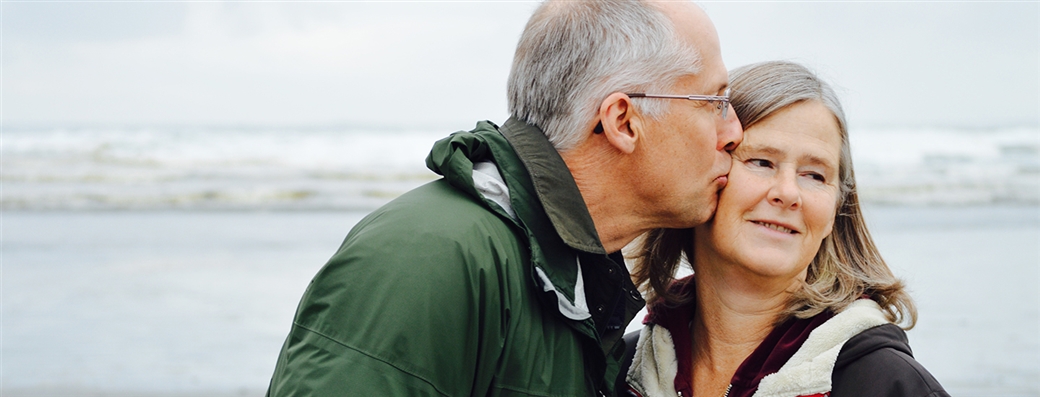
The “average” caregiver is a 49-year-old woman “ likely also in the throes of the menopause transition. If you’re caring for an elderly parent, ailing partner, young children, etc., you’re at more risk of injury and depression. Find out how to care for you while you’re caring for everyone else.
Internet hygiene in menopause
This term, coined by OB/GYN Dr. Jen Gunter, is about how to parse through all the health “information” you find on the Internet. Our own Chief Medical Officer, Dr. Rebecca Dunsmoor-Su, provides some wisdom around vetting online sources to keep yourself safe and informed.

The right way to get calcium in menopause
Remember when “getting calcium” just meant drinking a glass of milk? As we age, our nutrient needs change, and calcium is a biggie. Be sure you know the best ways and times to get your calcium to maximize its benefits to your body.

I think I had my first hot flash
Gennev CEO Jill Angelo talks about having her first hot flash, and how modern women and companies like Gennev are changing the definition of “menopause as the beginning of the end” to better reflect the truth: that it’s the start of a second chapter that can be just as rewarding as the first.

Healing from a hysterectomy
About a third of American women will have a hysterectomy by age 60. Because it’s so common, and because it’s serious surgery, our Docs of Physical Therapy took us through ways women can prepare for it, recover from it, and move forward in a healthful way. Read more about how to heal from a hysterectomy.
Practicing safe supplements
You suspect you probably need to take a supplement or two to meet all your nutrient needs. You head for the grocery store vitamin aisle and immediately want to give up. There are just too many choices and not enough information. Until now! Practice safe supplementing.

Flash Count Diary podcast with Darcey Steinke
Writer Darcey Steinke had a hot flash and started identifying with whales “ in a good way. Certain whales experience menopause because their experience and wisdom is more important to their communities than their ability to have babies. Sound familiar? Listen to this fun podcast with a gifted writer on the transformative experience menopause can and should be.
What articles did you get the most from this year? Did you share any articles with friends? If so, which ones? We’d love to know, so please share your thoughts with us on the Gennev community forums!
The CEO of Gennev, Jill Angelo, recently wrote a blog about the importance of knowing “normal.” What is normal for our bodies, and what signals a need to get some help?
“Is this normal???”
So much can change so quickly and so profoundly as we move through the menopause transition, we often don’t know if what we’re experiencing is normal as heck, we may not even know what we’re experiencing is hormonal!
So a lot of women as understandably as end up in the ER with harmless heart palpitations or worse, endure unsafe symptoms simply because they assumed (or were told), “it’s just menopause.”
The more conversations we have, the more accurate, actionable information that’s out there, the better women will be able to assess their experience and make informed decisions about their health.
Let’s talk about that “it’s just menopause” thing
Very often, the symptom IS just menopause.
Sometimes it’s not.
And sometimes, even if it IS “just menopause,” you should still consult with a doctor because if that symptom is impacting your quality of life, you may have good options for managing it and getting your life back.
Some in the medical community call them the “walking wounded” as those whose symptoms are definitely uncomfortable, something is undeniably wrong, but it doesn’t show up on any tests. The patient knows something’s amiss, but test after test comes back negative or maybe “borderline” but not conclusive, so it turns into a “wait and see if things get worse.”
Women are very very good at being the “walking wounded.” We think, It’s really not serious enough to see a doctor about, or It’s just hormones, or perhaps, My doctor won’t be able to help; why bother?
Plus, so much of menopause doesn’t show up on a test as that crushing fatigue, interrupted sleep, itchy skin, tingling fingers, painful breasts don’t show up on a test as but that doesn’t mean they’re not happening or that they’re not really impacting your quality of life.
We think it’s men who are reluctant to see their physician when they need to, but the truth is many women don’t either. For lots of reasons.
- Insurance. More women work in the home or at jobs that don’t provide health insurance.
- Money. Medical care costs money, even with insurance, and women typically earn less.
- Access. Women in rural communities may not even have a GP locally, much less a specialist, if needed. If a woman doesn’t have a car, or if her job makes it difficult to get time off, her access to health care can be really limited.
- Time. Caring for children or parents, working, bearing the larger burden of household chores as all of these can exhaust a woman’s time in caring for others, leaving little time for herself.
- Trust. Many women have had the experience of having their symptoms belittled or even dismissed by a health care professional, and that may be especially true if a woman is in perimenopause or menopause. If you believe your doc isn’t terribly interested in as or capable of as helping you, there’s not much incentive to try.
- Many menopause symptoms are simply embarrassing in today’s culture (gas, hair loss, vaginal dryness), so women choose to live with them rather than get help.
If any of those keep you from seeking answers to health questions or help with a condition, then we want to tell you about a better way.
At Gennev, we believe all women should know their normal, and we think the medical community at large should have better guidelines to define and help women understand the boundaries.
Helping women understand menopause and their bodies better
So we’re attacking this rather large concern from a couple of angles:
The Gennev Menopause Assessment
We created our Menopause Assessment to give women an idea on where they are in the menopause transition and how their symptoms compare to other women.
What better way to realize you’re “normal” than to see your results come up smack in the middle of a whole lot of other women’s?
After completing the Assessment, women have the option to consult with one of Gennev’s menopause-specialist ob/gyns or nurse practitioners to review their results and get answers to any remaining questions.
Geneva’s Virtual Menopause Clinic
Speaking of menopause specialists, Gennev’s telemedicine service is staffed entirely by health care professionals who are well versed in menopause symptoms and treatments.
Remember that list above of reasons why women don’t go to the doctor? Telemed can answer all of them, meaning no woman has to go without the care she needs.
- You don’t need insurance.
- We’ve kept our telemedicine affordable so women can access it when they need to.
- Appointments take place over your Internet-ready device like a tablet or smartphone, anywhere you can access the Net as no car or mass transit service needed.
- Appointments start and finish on time, with no hanging out in the waiting or exam rooms for the doc to arrive. You’ll know exactly how much time an appointment will take and when it’ll start and finish: no wasted time. And you’ll have the practitioner’s complete attention for the duration of your appointment.
- Worried the doc or nurse practitioner can’t help you? Don’t be. All of our practitioners have specialized menopause knowledge. They’ll listen to you first, then work with you to determine your best course of action for taking control of your menopause symptoms and your health.
- As for embarrassment, our practitioners are specialists in menopause and unflappable to boot. And for many women, a conversation over video or text is just easier than in person.
And if one of our practitioners believes your symptoms are outside the boundaries of “normal,” they can help you figure out what to do next to protect your health.
Don’t be one of the Walking Wounded, suffering unnecessarily and worried your symptoms may point to something worse than “just menopause.”
Take the Menopause Assessment. If you have questions or concerns, schedule an appointment to talk with one of Gennev’s telemedicine specialists about your unique menopause experience. Get back your peace of mind and get on path to regaining control of your health in midlife and menopause.
Would you consider yourself one of the Walking Wounded? Have you chosen not to seek help, or have you tried but were unable to get a satisfactory answer? We’d love to hear your story and share it with other women who may be in the same situation. Join our Facebook page, or in midlife & menopause solutions, our closed Facebook page.